
Bay leaf: aromatic laurel leaves, varieties and culinary uses
Aromatic leaves from several species of the laurel family used fresh or dried to flavor soups, stews and braises; includes varieties, storage, culinary tips and notable distinctions.
Overview
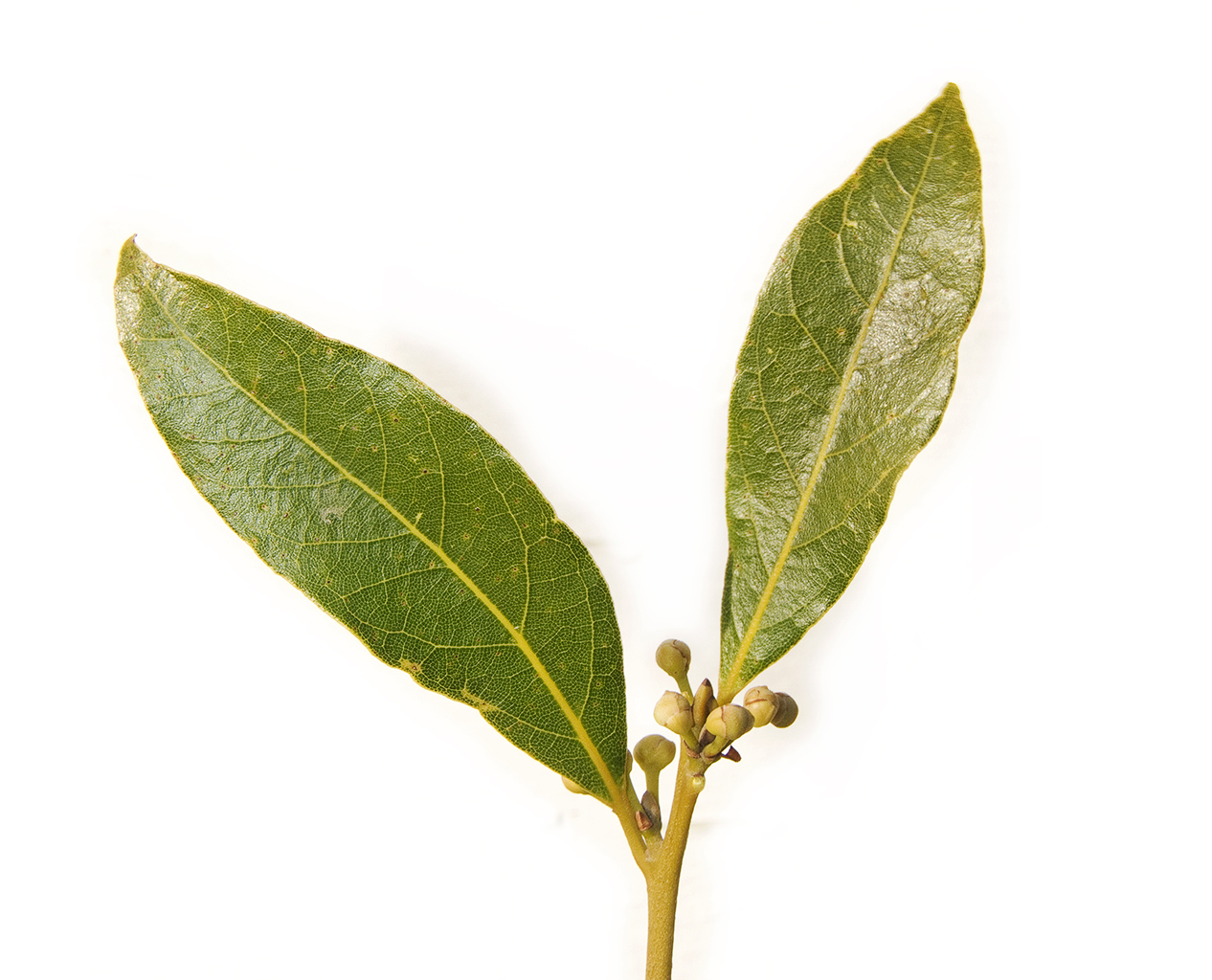
Bay leaf (plural: bay leaves) is the common name for the aromatic foliage of several species in the laurel family. These leaves are used fresh or dried to impart a subtle, herbaceous aroma to a wide range of dishes. The botanical group that produces plants commonly called bay leaves is part of the Lauraceae; for a brief botanical context see the laurel family. In cooking, bay leaves are typically added whole during simmering and removed before serving because they remain stiff and can be sharp.
Image gallery
5 Images


Principal varieties and characteristics
Different plant species yield leaves that are called bay leaves but they can vary in look and flavor. The best-known types include:
- Laurus nobilis (Mediterranean or sweet bay) — the classic culinary bay leaf used in European and Mediterranean cuisines; often described as mildly floral and herbal, and widely available as either fresh or dried. It is also widely referenced as a culinary herb.
- Umbellularia californica (California bay, also called Oregon myrtle or pepperwood) — a North American species with larger, tougher leaves and a much stronger, more pungent flavor; a small amount can dominate a dish.
- Cinnamomum tamala (tej pat or Indian bay leaf) — used in South Asian cooking; its fragrance and taste are closer to cinnamon or cassia than to the Mediterranean bay, so it is often treated as a distinct spice. See also Indian bay leaf and its culinary role.
Uses and culinary practices
Bay leaves are commonly added to soups, stews, braises, stocks and sauces to lend depth and a gentle, somewhat peppery aroma. They are often included in bouquet garni or simmered for extended periods to release essential oils and volatile compounds. Whole leaves are typically discarded before eating; ground bay leaf is available and used in spice blends, but handling should be cautious because the leaf fragments can be sharp.
Flavor components and storage
The characteristic scent of bay leaves comes from a mix of volatile oils such as cineole and certain phenolic compounds; these are more pronounced after drying or a short curing period. Fresh bay leaves are milder and often develop fuller flavor after a few weeks of drying. To preserve aroma, store dried leaves in an airtight container away from light and heat. Crushed or powdered leaves lose potency faster than whole leaves.
History, cultural notes and distinctions
Plants of the laurel group have long symbolic and practical roles in Mediterranean cultures, most famously the laurel wreath used in ancient times as a mark of honor. In cooking, it is important not to conflate true bay (Laurus nobilis) with other unrelated plants sometimes called "bay" in different regions. Likewise, the Indian tej pat comes from a different genus in the same family and has a cinnamon-like profile better suited to certain regional dishes. When substituting between varieties, reduce quantities of stronger leaves to avoid overpowering a recipe.
Practical tips and safety
Use whole leaves during long simmering processes and remove them before serving to avoid choking hazards or unexpectedly stiff fragments. A small piece of bay leaf in ground form or in powdered spice blends is safe, but essential oils concentrated from some bay species should be used cautiously and not ingested in medicinal doses without professional advice. For gardening, many true bay laurels are grown as ornamental hedges or potted herbs and can supply a steady source of fresh leaves.
For more detailed botanical or culinary information consult authoritative herb references or region-specific guides; additional resources are available on related topics such as the chemical profile of aromatic herbs and the culinary use of cinnamon bark (see comparison with cinnamon bark), or regional summaries of bay species (laurel family overview, tej pat details).
Related articles
Author
AlegsaOnline.com Bay leaf: aromatic laurel leaves, varieties and culinary uses Leandro Alegsa
URL: https://en.alegsaonline.com/art/9664