
Laurel (Lauraceae): the laurel family and common "laurel" plants
Laurel refers to members of the laurel family (Lauraceae) and to several unrelated plants called 'laurel'. This article outlines botanical traits, distribution, uses, notable genera and common-name distinctions.
Overview
The term "laurel" commonly denotes members of the plant family Lauraceae, a group of flowering plants whose best-known representative is the bay laurel. The Lauraceae belong to the order Laurales and are part of the larger assemblage of flowering plants. Botanists estimate the family includes over 3,000 species in more than fifty genera worldwide.
Image gallery
7 Images


Characteristics
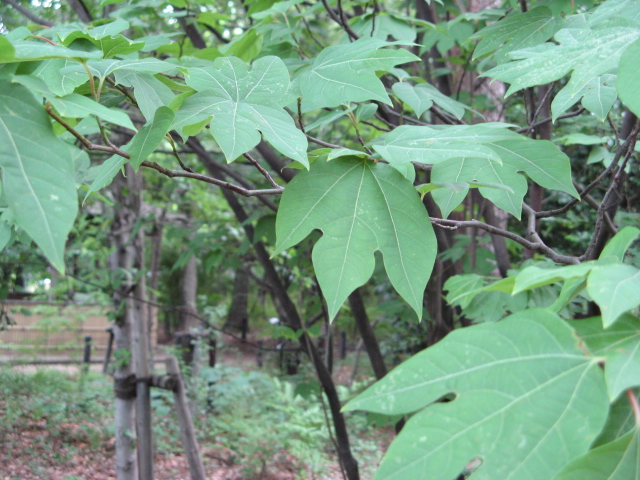
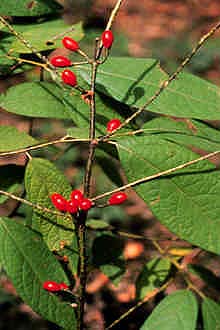
Most laurel-family species are aromatic evergreen trees or shrubs with alternate, simple leaves that contain essential oils. Flowers are typically small, often inconspicuous, and fruits are frequently fleshy drupes that attract birds. While the majority are evergreen, a few lineages show different habits: for example, the genus Sassafras includes species that are deciduous, and the family also contains parasitic vines such as Cassytha.
Distribution and ecology
Lauraceae species are most diverse in warm temperate and tropical regions. They are especially abundant in southeast Asia and parts of South America, but representatives occur on most continents except Antarctica. In forest ecosystems they often play ecological roles as canopy or subcanopy trees, providing fruit for birds and mammals and participating in complex humid‑forest food webs.
Uses and cultural importance
Several laurel-family plants are economically and culturally important. The bay laurel (Laurus nobilis) supplies culinary bay leaves; members of Cinnamomum yield spices such as cinnamon and camphor; other species are sources of timber, essential oils and traditional medicines. The bay laurel also has a long symbolic history: leaves of bay laurel were woven into wreaths as symbols of honor in classical antiquity.
Notable genera and distinctions
- Laurus — includes the classical bay laurel.
- Persea — includes avocado (Persea americana), important as a food crop.
- Cinnamomum — source of cinnamon and related products.
- Sassafras — a genus with Sassafras species that are sometimes deciduous.
- Cassytha — a parasitic vine genus represented by Cassytha.
One important caution for readers: the common name "laurel" is applied to many unrelated plants (for example, "mountain laurel" belongs to the heath family), so the name alone does not guarantee a botanical relationship. For botanical information and identification consult specialist resources or regional floras: see entries on flowering plants, Laurales and family accounts referenced above.
Related articles
Author
AlegsaOnline.com Laurel (Lauraceae): the laurel family and common "laurel" plants Leandro Alegsa
URL: https://en.alegsaonline.com/art/56307