
Cinnamon (spice)
A fragrant spice made from the inner bark of Cinnamomum trees, used globally in sweet and savory cooking, beverages, traditional remedies, and perfumery; includes true cinnamon and several cassia varieties.
Overview
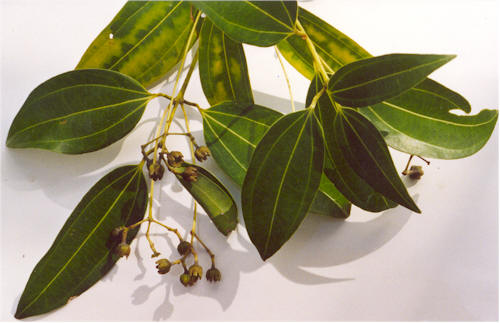
Cinnamon is a warm, aromatic spice obtained from the inner bark of trees in the genus Cinnamomum. The bark dries into thin layers that curl into quills or are ground to a fine powder. It is prized for its sweet, woody aroma and is a staple flavoring in many cuisines and cultures. For a botanical perspective see the botanical overview.
Image gallery
10 Images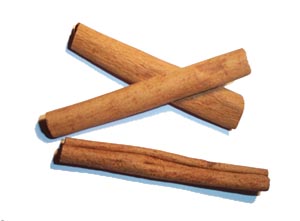


Types and characteristics
There are several related species used as spices. The two most commonly discussed groups are "true cinnamon" from Cinnamomum verum (often called Ceylon cinnamon) and the broader group known as cassia (including C. cassia and others). True cinnamon tends to have a lighter, more delicate flavor and a finer, crumbly texture, whereas cassia is darker, harder and has a stronger, more pungent taste. The botanical name Cinnamomum verum is often cited when distinguishing the true variety.
History and trade
Cinnamon has been valued since ancient times. It appears in records from several early civilizations and was carried along long-distance trade routes. In medieval Europe it was a luxury commodity used in cooking and to flavor wines and cordials. Its role in spiced beverages such as mulled or spiced wine is part of that culinary history; see references to historic recipes for spiced wine.
Cultivation and processing
Cinnamon trees are grown in tropical regions. The inner bark is harvested by cutting stems and peeling off the thin inner layer, which is then left to dry into rolls called quills. Sri Lanka has long been a major producer and exporter of high-quality Ceylon cinnamon, and the spice figures in local names and traditions; the island of Sri Lanka still markets kurundu. In South Asia the spice is also commonly called Daal-Cheeni or similar local names.
Uses and examples
Culinary uses range from sweet dishes—such as baked goods, pastries and desserts—to savory applications in stews, sauces and spice blends. Common examples include cinnamon rolls, apple pie, chai tea and certain curry mixes. It is also an ingredient in various spice blends (for example garam masala and five-spice), and its essential oil is used in perfumery and aromatherapy. Typical forms on the market are whole quills, broken sticks and ground powder.
Composition, safety and notable facts
The characteristic scent and flavor come principally from cinnamaldehyde and related aromatic compounds. Different species contain varying amounts of coumarin, a compound that in large quantities may pose a health risk; cassia varieties generally have higher coumarin levels than true Ceylon cinnamon. For this reason some sources distinguish culinary recommendations between types. Beyond food, cinnamon has a long history of use in traditional medicine, though modern medical advice recommends moderation and consultation with a healthcare professional for therapeutic use.
Quick distinctions
- True cinnamon (C. verum): lighter, more delicate, lower coumarin.
- Cassia: stronger flavor, darker color, higher coumarin.
- Forms: quills, sticks, ground powder, essential oil.
For further reading on specific culinary applications, cultivation, and botanical details, consult specialized sources and regional spice guides linked above.
Questions and answers
Q: What is cinnamon?
A: Cinnamon is a spice made from the inner bark of the Cinnamomum verum tree.
Q: What are some common uses for cinnamon?
A: Cinnamon is commonly used in sweet baked goods, hot wine or liquors, and even in making flavoured tea.
Q: Is cinnamon considered an aromatic spice?
A: Yes, cinnamon is an aromatic spice.
Q: What was cinnamon used for in the Middle Ages?
A: Cinnamon was used to make the spiced wine, claret, in the Middle Ages.
Q: What is the Hindi name for cinnamon?
A: Cinnamon is known as "Daal-Cheeni" in Hindi.
Q: Where is cinnamon grown as an export crop?
A: Cinnamon is grown as an export crop in Sri Lanka.
Q: What is the Sinhalese name for cinnamon?
A: The Sinhalese name for cinnamon is kurundu.
Related articles
Author
AlegsaOnline.com Cinnamon (spice) Leandro Alegsa
URL: https://en.alegsaonline.com/art/20417
Sources
- nccam.nih.gov : Herbs at a Glance: Cinnamon