
Chiropractic: practice, history, evidence, and uses
Overview of chiropractic care: methods, education, history, common uses, evidence and controversies, and practical considerations for patients.
Overview
Chiropractic is a health care approach that emphasizes diagnosis and manual treatment of musculoskeletal and nervous system complaints, especially those involving the spine. Practitioners, known as chiropractors, focus on hands-on techniques to adjust joints and soft tissues and often recommend exercise, lifestyle changes, and nutritional advice as part of care. Some classify chiropractic within alternative medicine, while others describe it as a complementary or allied health discipline integrated into conventional settings.
Image gallery
10 Images



Core techniques and components
The central therapeutic action is the spinal or joint adjustment—a directed, controlled force applied to a joint to restore movement and reduce pain. Chiropractors also use a range of other methods, including:
- Mobilization and soft-tissue work such as massage and myofascial release.
- Prescribed exercise and rehabilitation programs.
- Advice on posture, ergonomics, and activity modification.
- Adjunctive physical therapies such as heat, cold, or ultrasound in some practices.
These conservative, drug-free treatments are often combined to address conditions affecting muscles, joints, and peripheral nerves. For descriptions of common presentations treated by chiropractic clinicians, see conditions and musculoskeletal examples such as muscle, joint, and nerve complaints.
Education, regulation, and typical practice
Training requirements vary by country but typically involve several years of postsecondary education focused on anatomy, clinical diagnosis, radiology, and manual therapy. Many chiropractors complete formal chiropractic programs and are licensed; details on schooling and qualifications can be found under education links for specific jurisdictions. Regulation determines scope of practice, whether practitioners can order imaging, refer for medical care, or provide ancillary services such as massage or nutritional counseling.
History and development
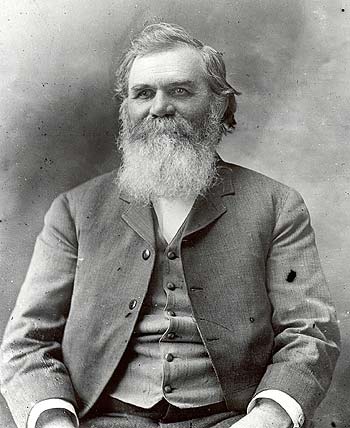
Chiropractic originated in the late 19th century. Over more than a century it has evolved, with many practitioners adopting evidence-informed methods and research-driven refinements. Traditional ideas such as the vertebral subluxation concept remain part of some schools of thought and are a source of debate about the profession’s foundations and claims, including discussions in broader critiques of pseudoscience in health care.
Evidence, efficacy and controversies
Research indicates that chiropractic care, particularly spinal manipulation combined with exercise, can provide meaningful short- to medium-term relief for common problems such as low back pain and some types of neck pain and headache. Evidence is more limited or mixed for non-musculoskeletal conditions. Safety considerations include transient soreness after treatment and rare but serious risks reported with certain cervical (neck) manipulations; clinicians typically screen patients for risk factors and may refer to medical specialists when indicated. For discussions about ongoing research and professional standards see research updates and clinical evidence.
When to seek chiropractic care and practical advice
People often consult chiropractors for acute or chronic back pain, neck pain, and related functional complaints. Before starting care, patients should review a practitioner’s credentials, ask about expected benefits and risks, and discuss coordination with primary medical providers. If symptoms are severe, progressive, or accompanied by neurologic deficits, urgent medical evaluation is recommended instead of or alongside manual therapy. For information about workplace or insurance coverage and professional organizations consult health system links and local regulatory resources.
Additional resources
Readers seeking further context can explore topics such as clinical practice guidelines, licensing, and patient safety through links on practice scope (spine care), treatment alternatives (joint care), non-pharmacologic strategies (drug-free approaches), integration with other therapies (natural and conventional), and specific modalities (spine pain). Professional associations and public health resources also provide guidance on standards of care (clinical guidelines) and safety monitoring (regulation, adverse events). For practitioner directories and consumer information see professional listings, educational bodies, and research repositories (academic articles, studies, systematic reviews). Additional entry points include nutrition and lifestyle advice, manual therapy techniques, and comparative discussions of chiropractic within broader health care systems (critique, complementary, scope).
Related articles
Author
AlegsaOnline.com Chiropractic: practice, history, evidence, and uses Leandro Alegsa
URL: https://en.alegsaonline.com/art/19835