
Alternative medicine
Practices and systems used instead of or alongside conventional medicine, encompassing traditional, spiritual, and non–evidence-based therapies; varies widely in methods, history, and regulation.
Alternative medicine refers to health practices and products used in place of conventional medical treatments. Many people also use these practices alongside standard care; when coordinated with a medical doctor this combination is often called complementary medicine. The term covers a broad range of approaches from long‑established traditional systems to newly devised therapies that may rely on spiritual, cultural, or metaphysical ideas rather than on modern biomedical research.
Image gallery
9 Images







Characteristics and scope
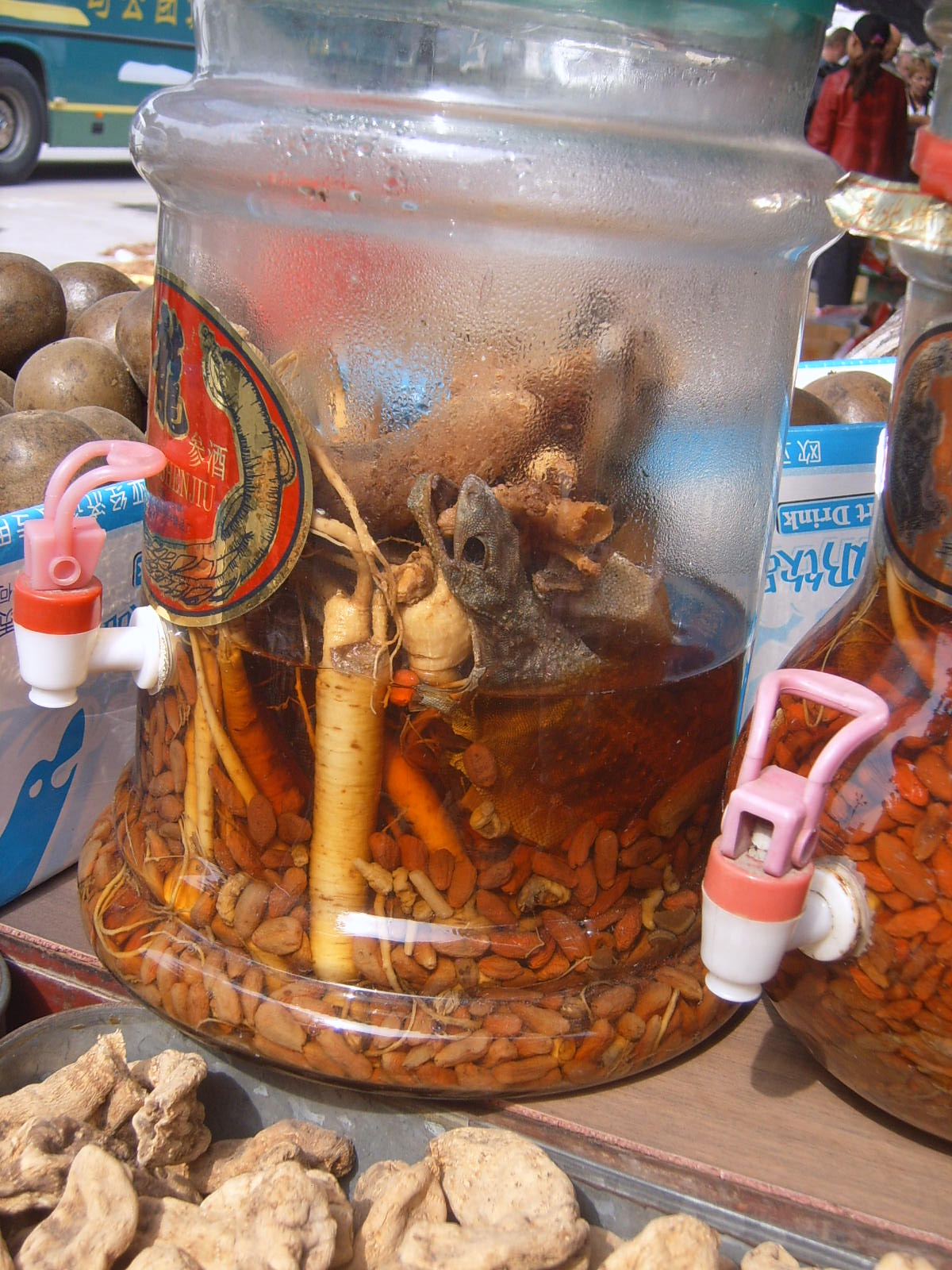
Practices labeled as alternative often share several features: they are rooted in non‑Western cultural traditions or folk medicine, emphasize holistic concepts of balance and energy, or propose mechanisms not accepted by mainstream science. Some approaches are primarily manual or physical, others use herbs or supplements, and some involve rituals or spiritual counseling. The degree of scientific support varies greatly among practices, from well‑studied interventions to those without reliable clinical evidence.
History and development
Many alternative modalities have long histories within particular cultures; for example, systems of healing developed over centuries in Asia, Africa, and the Americas. In the modern era, some traditional practices were systematized and spread internationally, while other methods have been newly created or revived. Social, cultural, and economic factors — including dissatisfaction with aspects of conventional care — have contributed to the enduring popularity of alternative therapies.
Common types
- Acupuncture: a component of traditional Chinese medicine using needles to stimulate specific points on the body; see acupuncture.
- Chiropractic: spinal manipulation and related techniques for musculoskeletal complaints; see chiropractic.
- Homeopathy: highly diluted remedies based on the principle of 'like cures like'; see homeopathy.
- Herbal medicine, massage, naturopathy, energy therapies: a wide array of other modalities with varying evidence.
Uses, evidence, and regulation
People pursue alternative medicine for symptom relief, chronic conditions, cultural reasons, or personal beliefs. Scientific evaluation ranges from randomized clinical trials demonstrating benefit for certain uses to a lack of reliable evidence for others. Regulatory oversight differs by country: some therapies are integrated into national health systems, while others are unregulated or restricted. Safety concerns include interactions with prescription drugs, delays in receiving effective conventional treatment, and variable practitioner training.
Considerations for patients
Patients considering alternative therapies are advised to discuss them openly with their healthcare providers, seek qualified practitioners, and look for evidence where available. An informed, cautious approach helps balance potential benefits, risks, and the importance of not foregoing proven medical care when it is needed.
Tags
Related articles
Author
AlegsaOnline.com Alternative medicine Leandro Alegsa
URL: https://en.alegsaonline.com/art/3059