
Chronic obstructive pulmonary disease (COPD)
COPD is a progressive group of lung disorders that reduce airflow and impair breathing. This article explains causes, symptoms, diagnosis, treatment, and its public‑health impact.
Overview
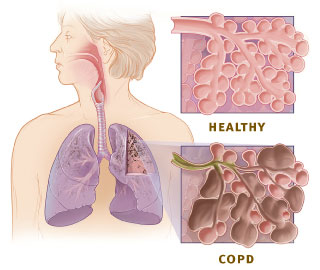
Chronic obstructive pulmonary disease (COPD) is a long‑term respiratory condition in which airflow becomes progressively restricted, making breathing increasingly difficult. The term covers several related disorders that primarily affect the small airways and air sacs of the lungs. Typical early signs are subtle and often attributed to ageing or smoking; over time symptoms worsen and quality of life can decline. For a concise list of common problems see COPD symptoms.
Image gallery
10 Images






Causes and risk factors
The most important risk factor for COPD is long‑term exposure to tobacco smoke, with many lifelong smokers developing significant airflow limitation. Passive smoke exposure also contributes. Outdoor and indoor air pollution are relevant in many regions, especially where cooking or heating uses open fires or unventilated stoves; official discussions of this link appear under air pollution. Other contributors include occupational dusts and chemicals, genetic susceptibility, and a history of severe childhood respiratory infections.
- Tobacco smoking: primary cause; see smoking.
- Environmental pollution: household and outdoor sources; see pollution.
- Workplace exposures: fumes, dusts, and chemicals.
- Genetic factors: uncommon causes such as alpha‑1 antitrypsin deficiency.
Symptoms and progression
People with COPD commonly experience increasing breathlessness, a chronic cough, and frequent production of phlegm. Early on, breathlessness may only occur during exertion; as the disease advances it can be present at rest. Exacerbations — episodes of worsening symptoms often triggered by infections — are important events that accelerate decline. Lungs weakened by COPD are more vulnerable to infections of the lung, which can be life‑threatening in severe cases.
Diagnosis and clinical assessment
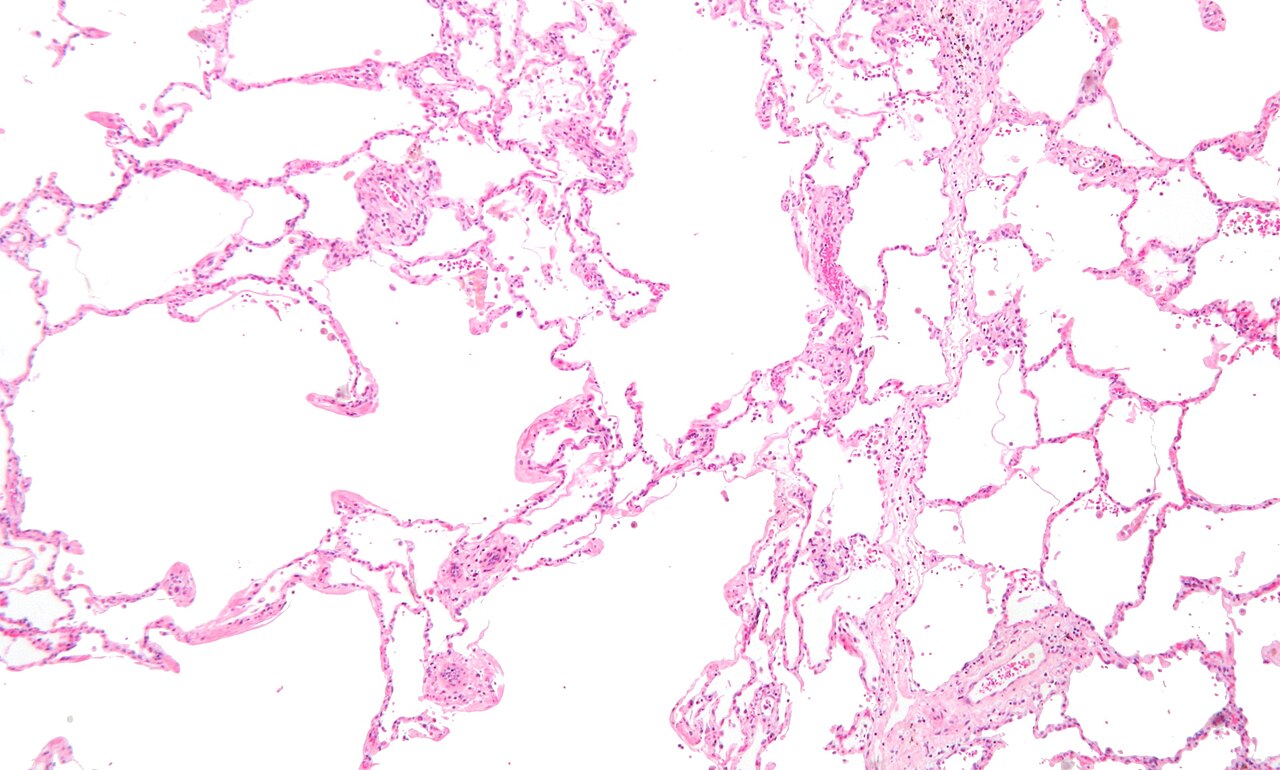
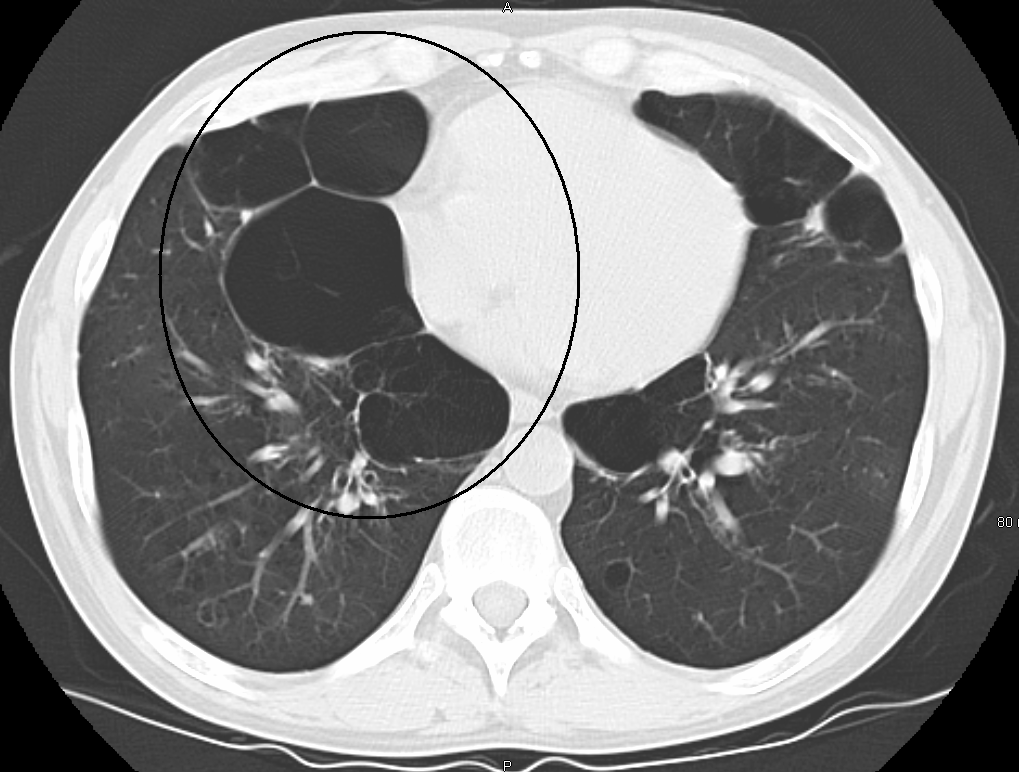
Diagnosis rests on clinical history and objective testing. Spirometry—measuring forced expiratory volume—confirms persistent airflow limitation. Imaging such as chest X‑ray or CT can show emphysema and rule out alternative diagnoses. Regular assessment tracks symptoms, exacerbation frequency, and functional status. Identifying exposure history (for example smoking or pollution) is a routine part of evaluation.
Management and treatment
The single most effective step to slow progression is stopping tobacco use and avoiding harmful exposures. Treatments focus on relieving symptoms, reducing exacerbations, and improving exercise tolerance. Common approaches include:
- Smoking cessation and exposure reduction.
- Bronchodilator medications to open the airways and ease breathing; see bronchodilators.
- Inhaled steroids for certain patients, pulmonary rehabilitation, oxygen therapy, and, in advanced cases, surgical or bronchoscopic options.
- Vaccination and prompt treatment of respiratory infections.
Prognosis and public health
COPD is a leading cause of chronic illness and disability worldwide; it has been estimated to account for a notable share of global disability burden (disability statistics). Mortality is high in advanced disease and exacerbations contribute substantially to death and healthcare use. The World Health Organization has identified COPD as a major and growing public‑health challenge. Preventive measures that reduce smoking and air pollution are central to lowering the future burden of disease.
Questions and answers
Q: What is COPD?
A: Chronic obstructive pulmonary disease (COPD) is a collection of diseases which make breathing gradually more difficult.
Q: What are the symptoms of COPD?
A: Symptoms of COPD include difficulty breathing and cough, in particular coughing up lots of phlegm.
Q: What causes COPD?
A: COPD is usually caused by smoking cigarettes, and around half of people who smoke for their whole lives will develop it. Air pollution can also be another cause, particularly in countries where indoor fires are used without ventilation.
Q: How does COPD progress over time?
A: At the beginning of the disease, the difficulty breathing is only noticeable when exercising, but over many years it gradually becomes worse until there is difficulty breathing even when sitting or lying down. It can also lead to infections of the lung which may be serious enough to cause death.
Q: How can COPD be treated?
A: The most important step in treating COPD is to stop smoking. Exercise and medications such as bronchodilators can also help open up airways and allow more air into the lungs.
Q: What percentage of disability is related to COPD? A: 3% of all disability is related to COPD.
Q: Can people die from COPD? A: Yes, people can die from COPD. The World Health Organization predicts that it will become the third leading cause of death worldwide by 2030 and that more people will die from it in the future.
Related articles
Author
AlegsaOnline.com Chronic obstructive pulmonary disease (COPD) Leandro Alegsa
URL: https://en.alegsaonline.com/art/20223
Sources
- commons.wikimedia.org : Chronic obstructive pulmonary disease
- ncbi.nlm.nih.gov : PMID 19440278
- ncbi.nlm.nih.gov : PMID 22314182
- ncbi.nlm.nih.gov : PMID 23245608
- who.int : "WHO - Chronic obstructive pulmonary disease (COPD)"