
Chronic myeloid leukemia (CML): overview, causes, stages and treatment
Chronic myeloid leukemia (CML) is a blood cancer caused by the BCR-ABL fusion gene. It typically follows chronic, accelerated and blast phases and is mainly treated with targeted tyrosine kinase inhibitors.
Overview
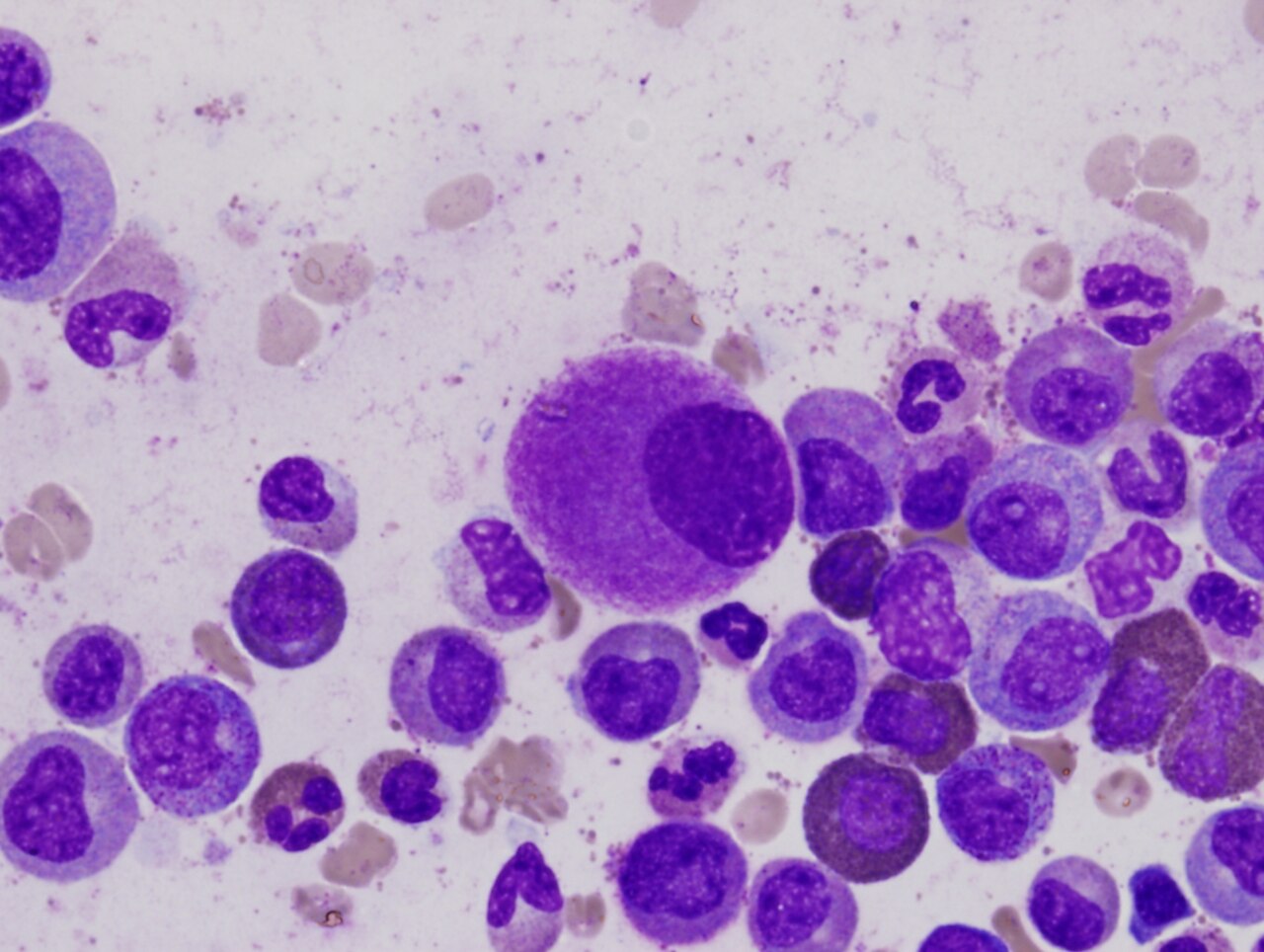
Chronic myeloid leukemia (CML) is a slowly progressing cancer of the bone marrow that affects white blood cell production. It is one form of leukemia and is characterized by an overgrowth of mature and maturing myeloid cells. Many people are diagnosed during the chronic phase when symptoms are mild or nonspecific.
Image gallery
4 Images

Cause and biology
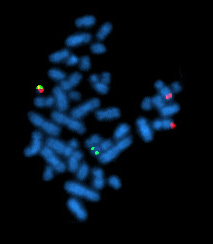
The defining abnormality in CML is the Philadelphia chromosome, a chromosomal translocation that creates the BCR-ABL fusion gene. The resulting BCR-ABL protein acts as a constitutively active tyrosine kinase that drives unregulated cell division and survival. This molecular lesion is both a diagnostic marker and the principal target for modern therapies.
Stages and symptoms
CML typically progresses through three stages: chronic, accelerated and blast phase (the latter resembling an acute leukemia). Early signs can include fatigue, night sweats, weight loss and an enlarged spleen, but some individuals have few symptoms and are found incidentally by routine blood tests.
Diagnosis and monitoring
Diagnosis relies on blood counts, bone marrow examination, cytogenetic testing to detect the Philadelphia chromosome, and molecular testing for BCR-ABL transcripts. Ongoing management emphasizes regular monitoring of BCR-ABL levels by quantitative PCR and periodic cytogenetic assessment to gauge treatment response and detect resistance.
Treatment
Treatment has been transformed by targeted drugs that inhibit the BCR-ABL tyrosine kinase. Options commonly used include:
- Imatinib (Gleevec) and newer tyrosine kinase inhibitors such as dasatinib, nilotinib, bosutinib and ponatinib.
- Older or adjunctive therapies for cytoreduction: hydroxyurea and, historically, busulfan.
- Interferon was used before TKIs and remains an option in select situations; allogeneic stem cell transplantation is reserved for TKI-resistant disease or advanced phases.
Prognosis and notable points
With early diagnosis and effective TKI therapy many patients achieve durable molecular responses. Some cases develop resistance due to mutations in the BCR-ABL kinase domain, requiring change of therapy or transplant. Management is long-term and benefits from specialist haematology care, regular molecular monitoring and individualized treatment decisions.
Related articles
Author
AlegsaOnline.com Chronic myeloid leukemia (CML): overview, causes, stages and treatment Leandro Alegsa
URL: https://en.alegsaonline.com/art/20222
Sources
- mayoclinic.org : "Chronic myelogenous leukemia - Symptoms and causes"
- bloodjournal.org : "Randomized comparison of busulfan and hydroxyurea in chronic myelogenous leukemia: prolongation of survival by hydroxyurea. The German CML Study Group"
- pubmed.ncbi.nlm.nih.gov : 8329700
- bloodjournal.hematologylibrary.org : bloodjournal.hematologylibrary.org/cgi/reprint/27/1/103.pdf