
Chlorpromazine (Thorazine): a first‑generation antipsychotic
Chlorpromazine is a first‑generation (typical) antipsychotic introduced in the early 1950s. Used for schizophrenia, acute mania, severe agitation, nausea and intractable hiccups; it has distinct side effects.
Overview
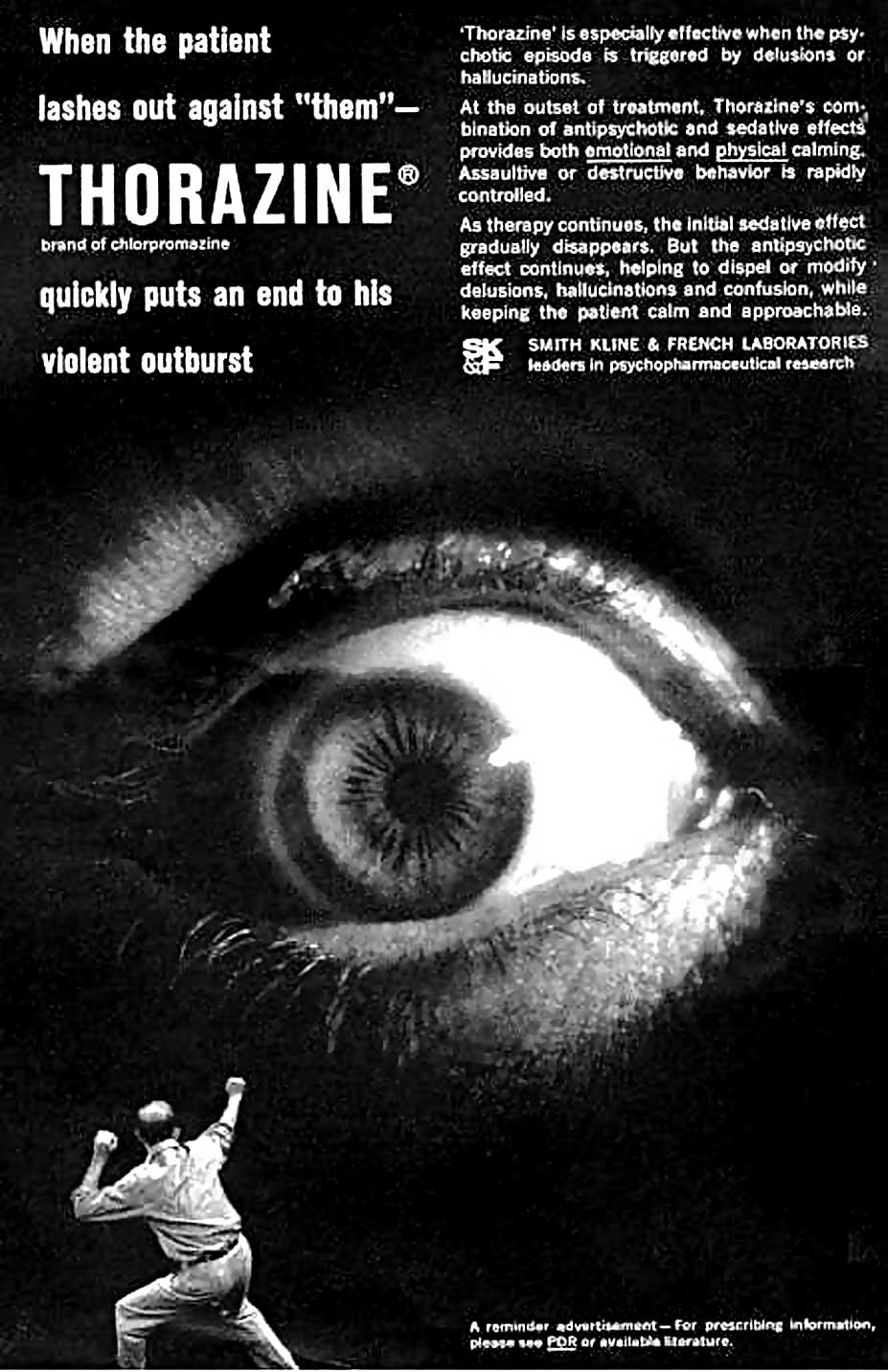
Chlorpromazine, commonly known by the brand name Thorazine, is one of the earliest antipsychotic medications. It belongs to the group often called first‑generation or typical antipsychotics and has been used clinically since the early 1950s. It remains a representative drug in discussions of psychiatric pharmacology because it helped establish modern approaches to treating psychosis and acute behavioral disturbances.
Image gallery
2 Images
Pharmacology and formulations
The therapeutic effect of chlorpromazine is largely attributed to antagonism of dopamine D2 receptors in the brain, which helps reduce positive symptoms of psychosis such as hallucinations and delusions. It is available in oral and parenteral forms and has sedative and antiemetic properties that influence how it is used in hospital and emergency settings.
History and development
Introduced to clinical practice in the early 1950s, chlorpromazine was the first widely adopted antipsychotic and marked a turning point in psychiatric care by enabling more effective management of severe psychotic states outside long‑term institutional settings. Its introduction spurred research into other antipsychotic classes and shaped psychiatric treatment models in the second half of the 20th century.
Clinical uses
Chlorpromazine is indicated for schizophrenia and related psychotic disorders, and it has been used for acute manic episodes in bipolar disorder. Beyond psychiatry, it is sometimes used for severe nausea and vomiting, as an adjunct for preoperative sedation, and in specific cases to treat persistent hiccups that do not respond to simpler measures. Clinical choice now often favors newer agents for long‑term management, but chlorpromazine remains useful in selected situations.
Adverse effects and precautions
Like other first‑generation antipsychotics, chlorpromazine has a profile of adverse effects that requires careful monitoring. Common and important effects include sedation, anticholinergic complaints, orthostatic hypotension, movement disorders (acute extrapyramidal symptoms and, with longer exposure, risk of tardive dyskinesia), and photosensitivity or skin changes. Because of these risks, clinicians weigh benefits and harms and monitor patients for movement signs, cardiovascular effects, and other complications.
Notable distinctions and practical notes
Chlorpromazine stands out historically as the prototype antipsychotic and for its additional antiemetic and sedative actions. It differs from later atypical antipsychotics in receptor profile and side‑effect balance. In current practice it is applied where its particular combination of effects is desirable or when other treatments are unsuitable.
Further reading
Related articles
Author
AlegsaOnline.com Chlorpromazine (Thorazine): a first‑generation antipsychotic Leandro Alegsa
URL: https://en.alegsaonline.com/art/19903
Sources
- ebs.tga.gov.au : "PRODUCT INFORMATION LARGACTIL" · web.archive.org