
Massage: Techniques, Benefits, History and Practical Considerations
Comprehensive overview of massage: common techniques, typical uses and benefits, historical background, safety considerations, and practical advice for recipients and practitioners.
Overview
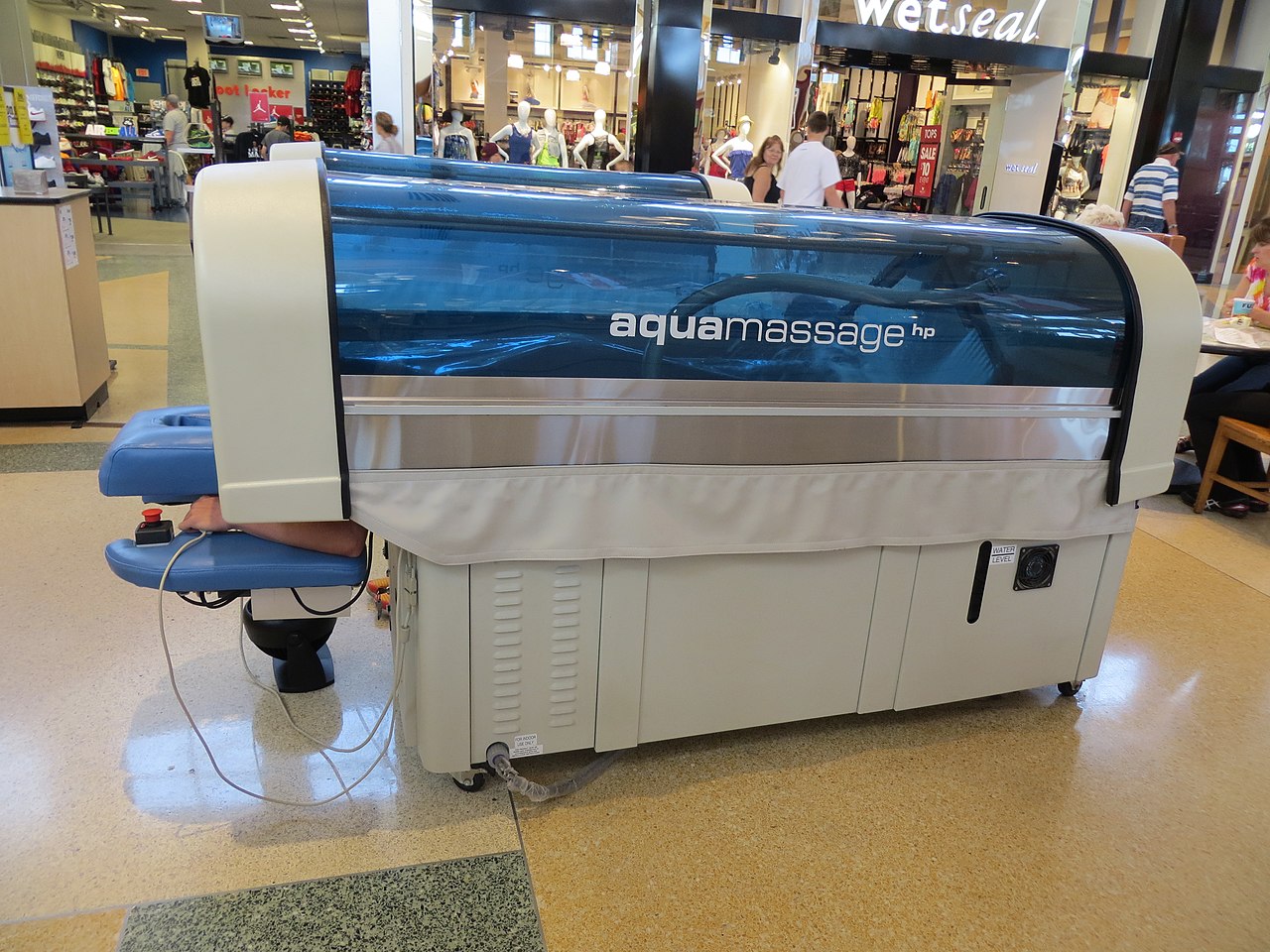
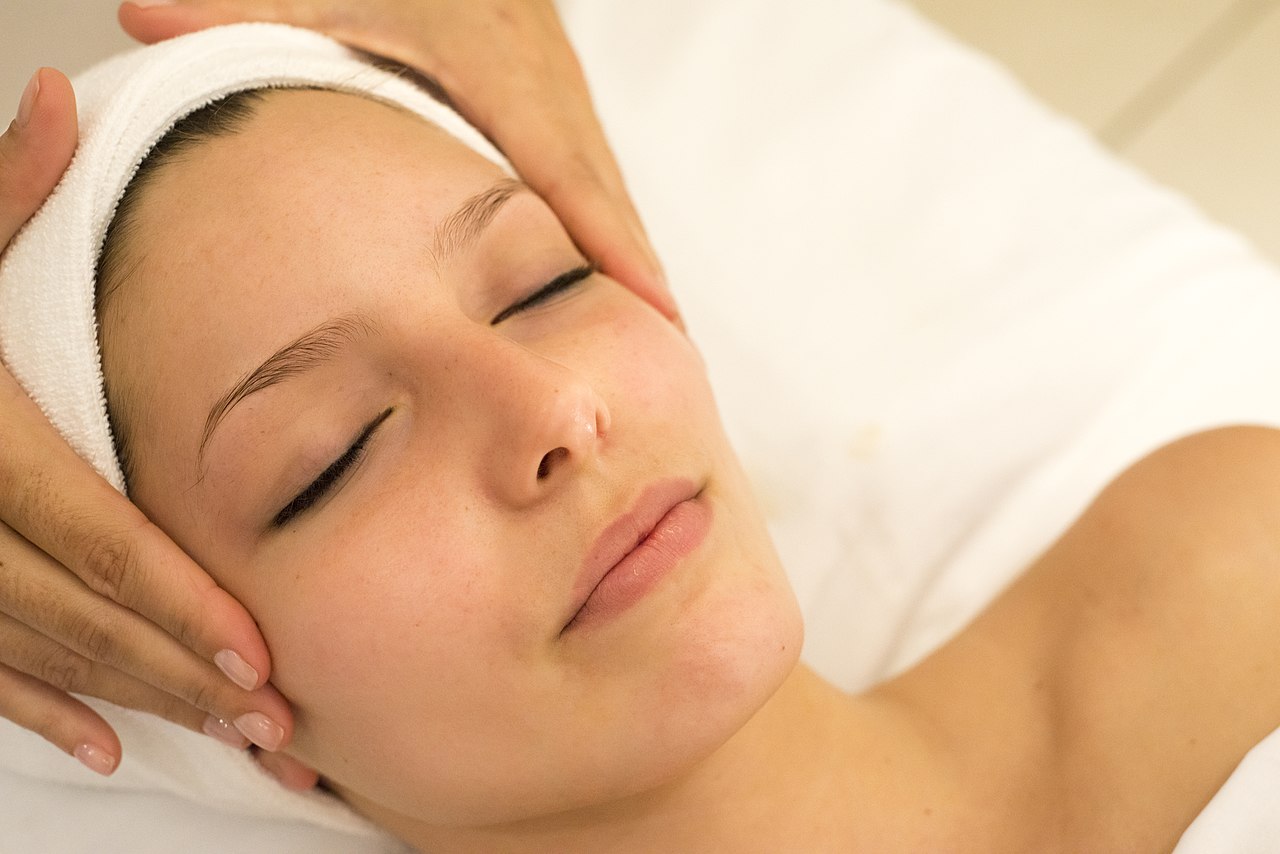
Massage is the manual manipulation of soft tissues—muscles, tendons, ligaments and connective tissue—to promote relaxation, relieve pain, and improve function. It can be performed by licensed practitioners, therapists, or done as self-massage. Sessions range from brief targeted work to full-body treatments and may focus on specific problems such as muscle strain, tension headaches, or stress relief.
Image gallery
10 Images




Common techniques and types
Practitioners use a variety of strokes and pressures. Key classical techniques include effleurage (long gliding strokes), petrissage (kneading), friction (localized circular rubbing), and tapotement (rhythmic tapping). From these foundations many styles have developed, for example:
- Swedish massage – gentle, widely used for relaxation.
- Deep tissue – firmer pressure to address chronic tension.
- Sports massage – tailored to athletes for performance and recovery.
- Reflexology – focused on feet and hands, based on reflex zones.
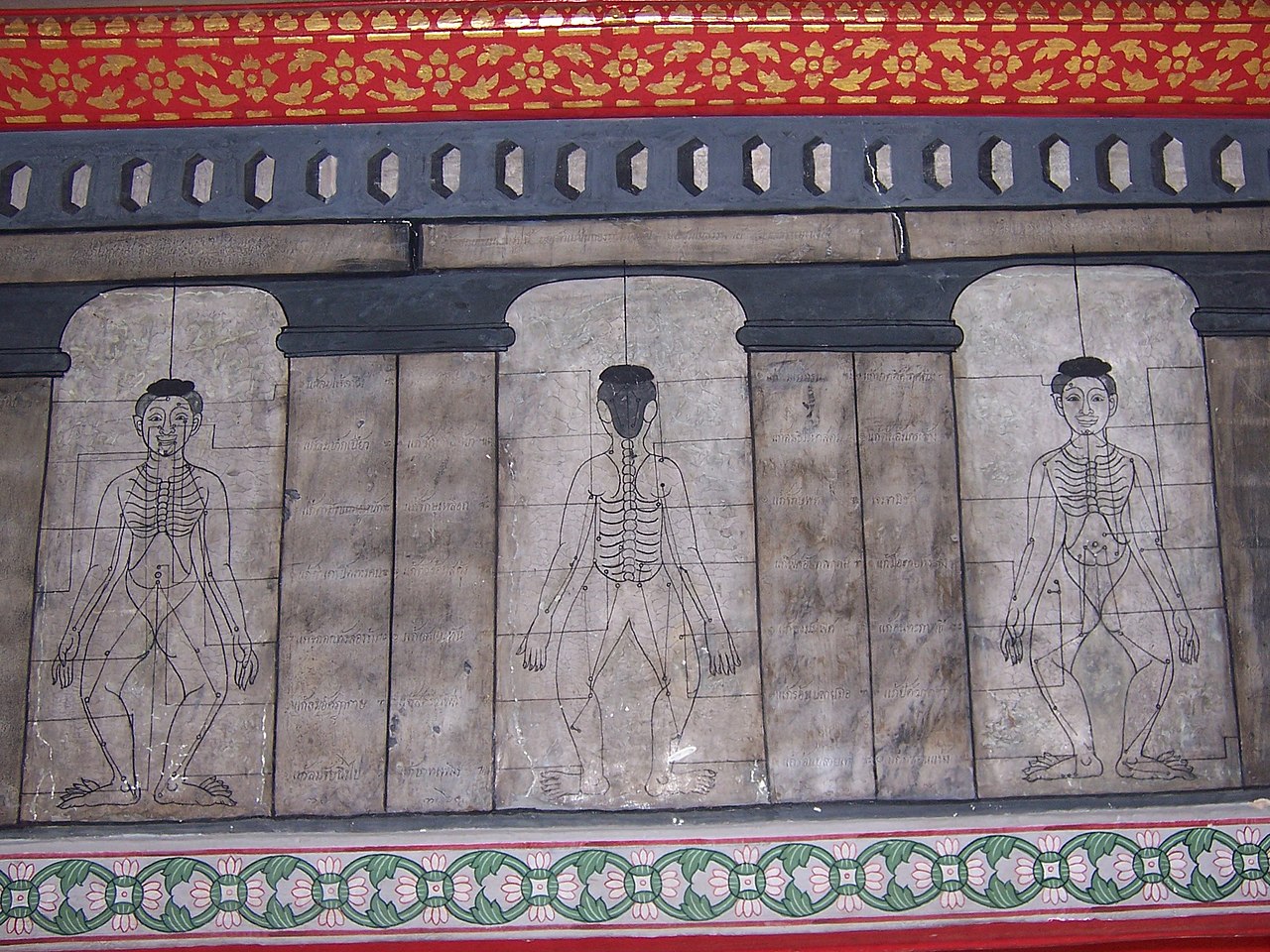
- Shiatsu and acupressure – based on pressure points from Asian traditions.
Benefits and common uses
Massage can reduce muscle tightness, improve local circulation and lymphatic flow, reduce stress and anxiety, and support rehabilitation after injury. People seek massage for headaches, back and neck pain, muscle strains, and to enhance general well-being. While many report symptom relief, the extent and duration of benefit varies by condition and technique.
Safety, contraindications and practical advice
Massage is generally safe when performed by trained providers, but it is not suitable for everyone. Avoid or modify massage for acute infections, unexplained swelling, suspected blood clots, certain skin conditions, recent fractures or severe osteoporosis, and where medical advice suggests caution. Pregnant people should seek therapists trained in prenatal massage. When in doubt consult a healthcare professional.
- Ask about training and licensure.
- Communicate pressure, pain, or medical concerns to the therapist.
- Hydrate after sessions and allow time to rest.
Origins and cultural context
Forms of therapeutic touch and bodywork appear across many cultures and ancient medical systems, including in Asian and Mediterranean traditions. Over time these practices were adapted into modern therapeutic approaches and are now part of integrative health services in many countries.
For basic guides, local regulations, or professional directories consult a reputable resource or a licensed practitioner; for more information see further reading.
Related articles
Author
AlegsaOnline.com Massage: Techniques, Benefits, History and Practical Considerations Leandro Alegsa
URL: https://en.alegsaonline.com/art/62694