
Cholangiocarcinoma (Bile Duct Cancer)
Cholangiocarcinoma is a malignant tumor of the bile duct epithelium. It occurs in intrahepatic, perihilar and distal locations, with varied risk factors, diagnostic imaging, and limited curative options.
Overview
Cholangiocarcinoma is a malignant tumor that arises from the lining cells of the bile ducts, often called bile duct cancer. These tumors develop from transformed epithelial cells that normally carry bile from the liver into the small intestine. Although biliary tract malignancies are related, cholangiocarcinoma is distinct from cancers of the pancreas, gallbladder, and the ampulla of Vater; see also pancreatic cancer and gallbladder cancer for comparisons.
Image gallery
8 Images



Anatomy and subtypes
Classification is based on location along the biliary tree. Main subtypes are:
- Intrahepatic: arises from bile ducts inside the liver.
- Perihilar (hilar): occurs at the main hepatic duct confluence and includes Klatskin tumors.
- Distal: develops in the bile ducts nearer the small intestine and pancreas.
Causes and risk factors
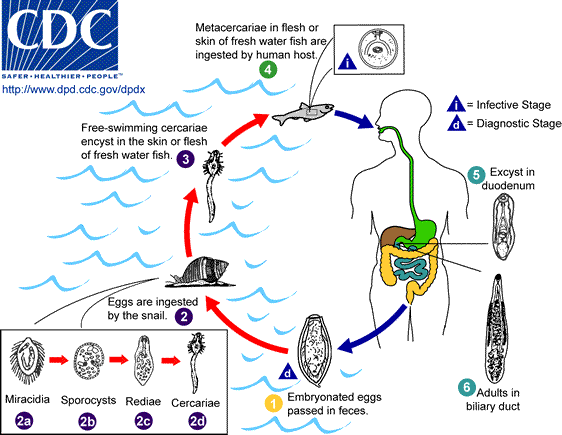
Cholangiocarcinoma is uncommon but incidence varies by region. Known risk factors include chronic biliary inflammation (for example from primary sclerosing cholangitis), parasitic infections in endemic areas, choledochal cysts, bile duct stones, chronic viral hepatitis, cirrhosis, and certain environmental exposures. Many cases arise without an identifiable risk factor.
Clinical features and diagnosis
Symptoms often reflect obstruction of bile flow and may include jaundice, pale stools, dark urine, itchiness, abdominal pain, and unintended weight loss. Diagnosis typically uses ultrasound, cross‑sectional imaging such as CT or MRI with MRCP, endoscopic techniques including ERCP for visualization and tissue sampling, and laboratory tests including liver function tests and tumor markers (for example CA 19‑9). Definitive diagnosis often requires histologic confirmation.
Treatment and prognosis
Potentially curative treatment is surgical resection with negative margins; candidacy depends on tumor location and extent. Selected perihilar tumors may be treated with liver transplantation under specific protocols. When surgery is not possible, management focuses on systemic chemotherapy, radiotherapy, targeted agents in selected molecular subgroups, and endoscopic or percutaneous stenting to relieve biliary obstruction. Overall prognosis is guarded and largely determined by stage at diagnosis.
Distinguishing points and public health
Cholangiocarcinoma is distinct from other biliary tract cancers by its site and biology; perihilar tumors (Klatskin) are a characteristic presentation. Geographic differences in incidence reflect environmental and infectious risks. Early detection is challenging, which contributes to its often advanced stage at presentation and the need for multidisciplinary care in specialized centers.
Further reading and specialist resources can provide updated treatment protocols and clinical trials information: bile duct cancer overview, epithelial tumor biology, bile physiology, liver anatomy, intestinal relations, pancreatic cancer differences, gallbladder cancer comparison.
Related articles
Author
AlegsaOnline.com Cholangiocarcinoma (Bile Duct Cancer) Leandro Alegsa
URL: https://en.alegsaonline.com/art/19951