
Cheyenne people: history, culture, and modern nations
An overview of the Cheyenne (Tsitsistas and Suhtai): their language, social organization, historic migrations on the Plains, cultural life, and contemporary Northern and Southern Cheyenne nations.
Overview
The Cheyenne are an Indigenous people of the Great Plains who speak a language in the Algonquian family. Historically composed of two closely associated groups, they developed a plains horse-and-buffalo culture and formed alliances and rivalries with neighboring nations. Today they are recognized by the United States as two primary political entities: the Northern Cheyenne Tribe in present-day Montana and the Southern Cheyenne as part of the Cheyenne and Arapaho Tribes in Oklahoma.
Image gallery
10 Images


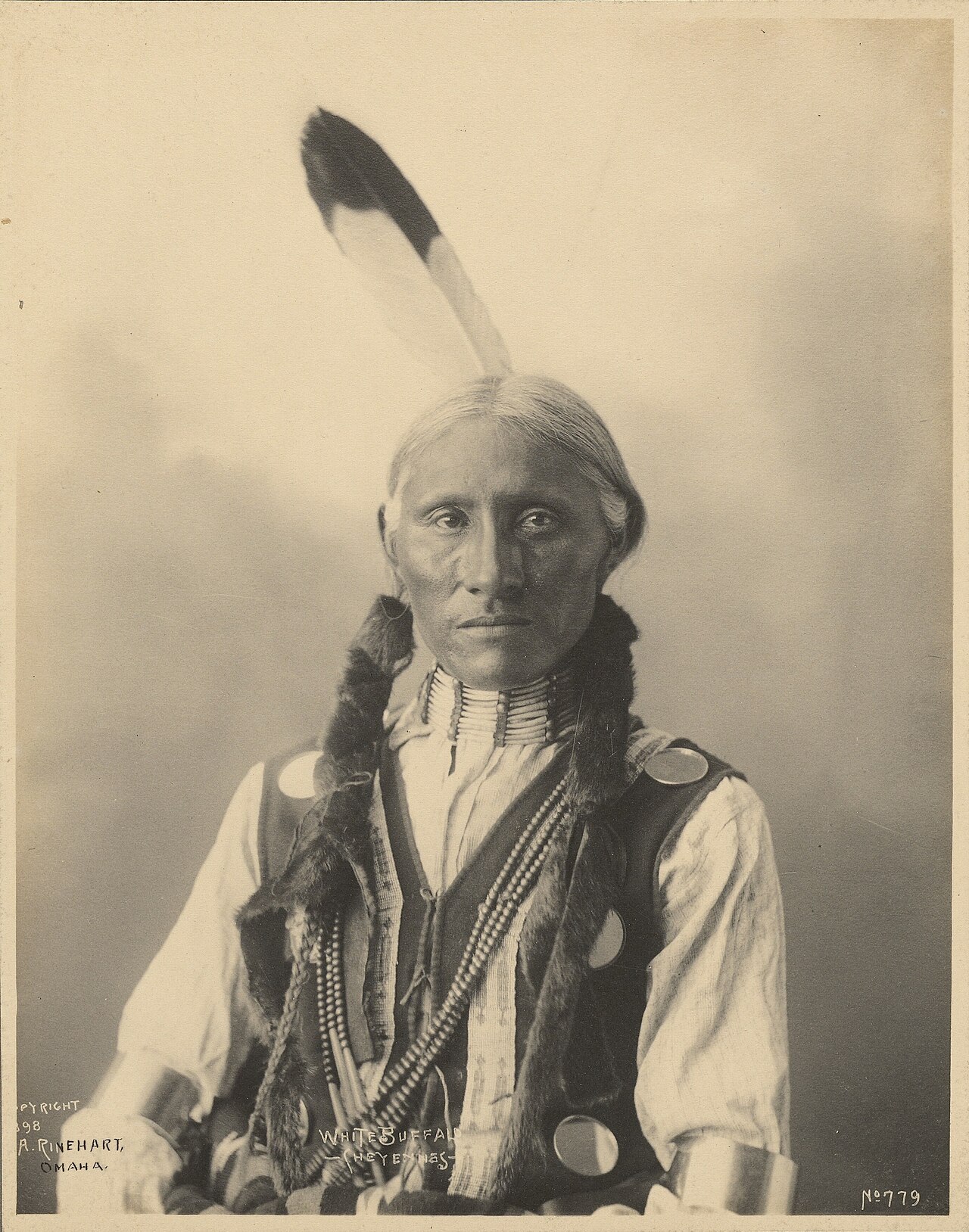


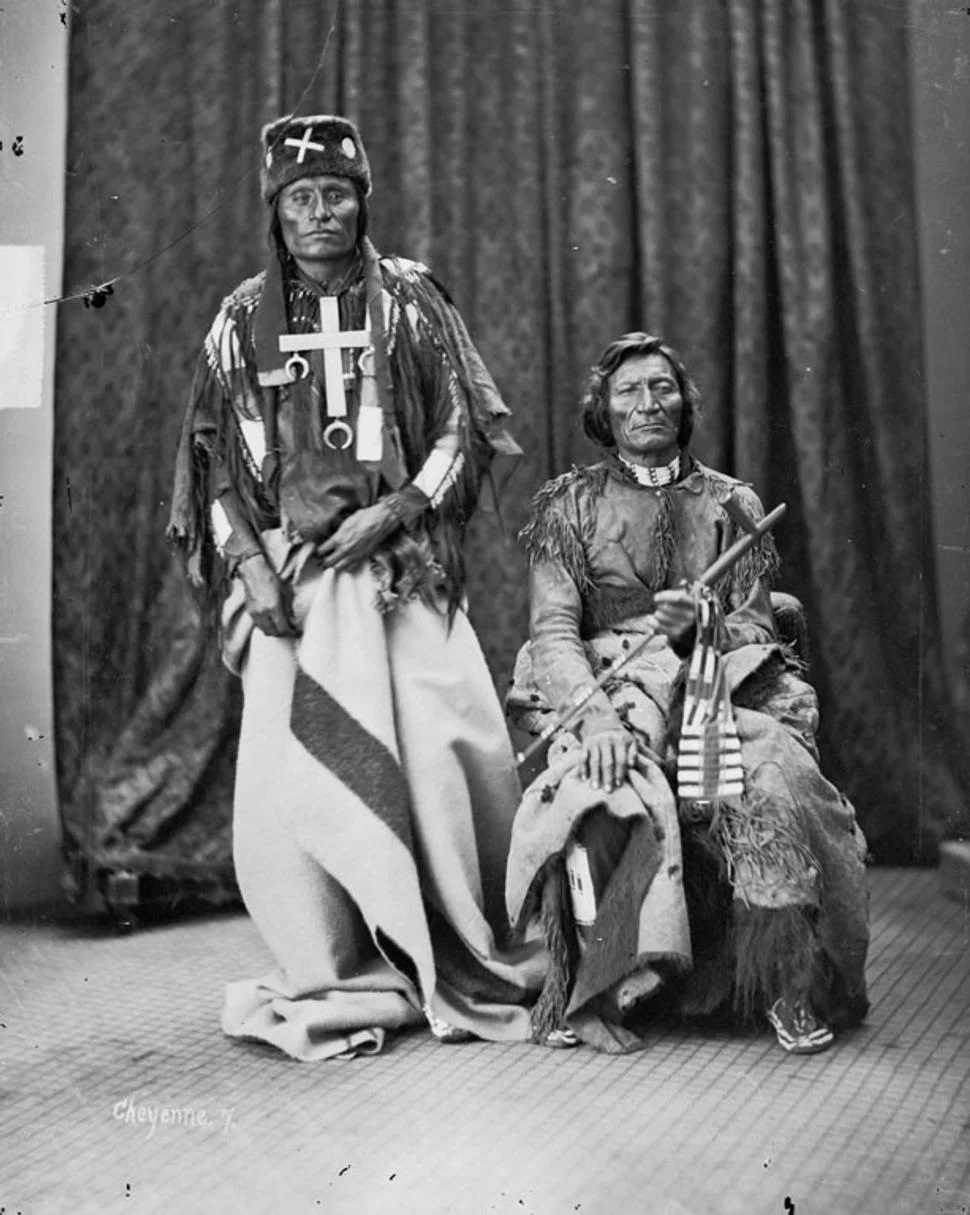
Language and social organization
The Cheyenne language belongs to the Algonquian branch and remains an important element of identity, with efforts underway to teach it to younger generations. Social life traditionally revolved around extended family bands, councils, and a set of military and ceremonial societies that regulated warfare, hunting, ritual life and law. Leadership combined hereditary chiefs and a council system; in times of crisis more military-oriented leaders could gain prominence.
Composition and groups
The historical Cheyenne confederation included two principal groups often named in English as the Tsitsistas and the Só'taeo'o (commonly spelled Sutaio or Suhtai). These groups joined closely in the early 19th century and shared many cultural practices while maintaining distinct lineages and certain social institutions.
- Tsitsistas (Cheyenne proper)
- Só'taeo'o / Suhtai (often treated as the Suhtai band)
Territory and historical movements
Before sustained contact with Europeans, many Cheyenne ancestors occupied wooded regions to the east. Early contact records place them in what is now Minnesota. Pressure from expanding tribal movements and Euro-American trade and conflict pushed them west of the Missouri River into the grasslands of what are now North Dakota and South Dakota. By the 18th century they had embraced a mounted, bison-centered economy and occupied areas including the Black Hills and the Powder River Country, interacting with peoples across an arc of the Plains. Their adoption and mastery of the horse—part of a broader horse culture transformation on the Plains—allowed them to become accomplished horsemen and hunters and to influence neighboring groups.
Culture, economy, and ceremonial life
Cheyenne life centered on buffalo hunting, seasonal mobility, and rich ceremonial traditions. Dwellings such as tipis facilitated movement, while cultural institutions—ceremonial gatherings, rites of passage, and communal hunts—reinforced social bonds. Military societies played roles in defense, social order, and ceremony; these organizations sometimes shaped political events during the 19th century. Spiritual life included public and private ceremonies that regulated relations with the natural world and the community.
Alliances, conflicts, and influence
Allied closely with the Arapaho, the Cheyenne also maintained various relations with the Lakota, Kiowa, and other Plains peoples. They were influential in transmitting mounted Plains ways of life; for example, their adoption of the horse and mounted hunting techniques affected Lakota society in the 18th century. Throughout the 19th century changing alliances and pressure from expanding tribes and Euro-American settlement reshaped their territorial range and political strategies.
Modern nations and contemporary life
In the present day the Cheyenne are politically represented by distinct entities recognized by the U.S. government. The Southern Cheyenne are part of the consolidated Cheyenne and Arapaho tribal government in Oklahoma, while the Northern Cheyenne maintain a reservation and government in Montana. Both communities work to preserve language, culture, and legal sovereignty while addressing social and economic challenges in the modern United States.
Notable facts and distinctions
The Cheyenne demonstrate how Plains societies adapted to ecological and social change after contact with Europeans: migrating westward from regions like Minnesota, crossing major waterways such as the Missouri River, and moving into areas that include the Black Hills and Powder River Country. Their alliances with the Arapaho and interactions with the Wyoming and Dakotas landscapes shaped Plains history. Encounters with groups such as the Kiowa and relationships with the Algonquian-language network are part of a complex regional story that continues to evolve in both Northern and Southern Cheyenne communities.
For further study, readers can consult regional histories of the Great Plains and tribal records, visit cultural centers on reservations, and explore language revitalization programs maintained by Cheyenne institutions and partners.
Additional geographic and historical references include links to settlement patterns and migration studies represented by settling accounts and broader Plains research resources at institutions and archives that document Indigenous histories.
Related articles
Author
AlegsaOnline.com Cheyenne people: history, culture, and modern nations Leandro Alegsa
URL: https://en.alegsaonline.com/art/19449