
Chinese Canadians: history, communities, and cultural contributions
Overview of Chinese Canadians: origins, history of immigration, demographic distribution across provinces, cultural life, and distinct identity within Canada.
Overview
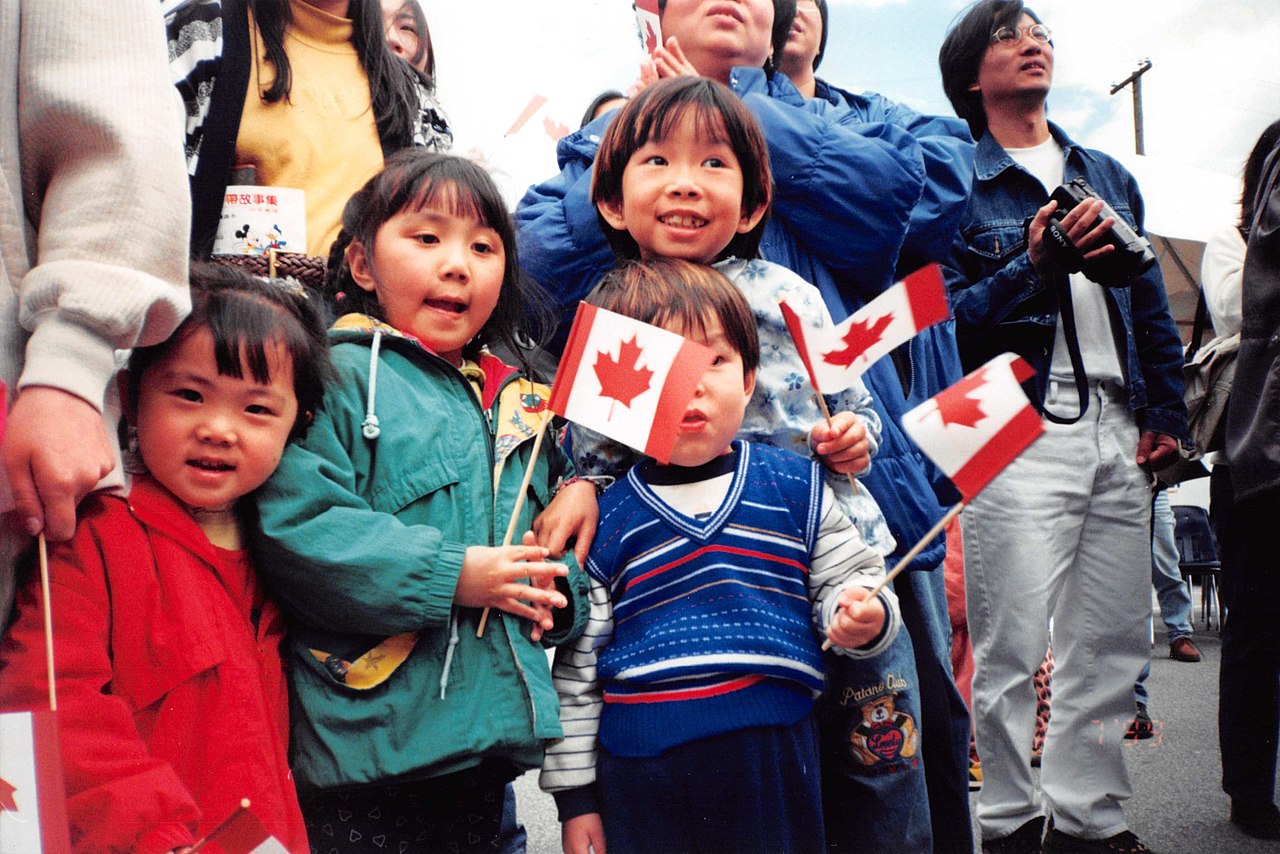
Chinese Canadians are people in Canada who trace their family origins to China, including those born in Canada and immigrants. The term covers a range of backgrounds and experiences: some were born in the People's Republic of China (China), others come from or descend from migrants from Hong Kong (Hong Kong) and Macau (Macau), and many have longer family histories within Canada. In general usage the phrase refers to members of an ethnic group within Canada rather than a single nationality (Canadian). Many people identify as Chinese because their parents or ancestors were from China (ancestors).
Image gallery
10 Images




Characteristics and identity
Chinese Canadian identity is diverse: language varieties include Cantonese, Mandarin and other Chinese languages, and cultural practices reflect regional origins, migration era, and local adaptation. Community organizations range from cultural associations to business networks, and many Chinese Canadians are bilingual or multilingual, contributing to Canada's multilingual landscape.
History
Migration from what is now China to Canada began in significant numbers in the 19th century, linked to labour demands during the gold rushes and the construction of the Canadian Pacific Railway. Early immigrants faced legal restrictions such as the head tax and the Chinese Immigration Act (1923), which severely limited entry until mid-20th-century reforms. The legacy of these policies has been the subject of public discussion, official redress and apologies at the federal level.
Distribution and demographics
Chinese Canadians are one of the largest visible minority groups in Canada. They represent an important share of the country's population and are the largest subgroup within the broader Asian Canadian population. Recent census summaries indicate they account for roughly five percent of the national population and about 40% of those identifying as Asian Canadian. Populations concentrate in major urban regions, particularly in provinces such as Ontario and British Columbia, with large communities in cities like Toronto and Vancouver.
Culture, institutions and contributions
Chinese Canadians have established cultural festivals, religious and community centres, media outlets and businesses that play visible roles in local economies and cultural life. Common areas of contribution include entrepreneurship, professional services, arts and academia. Typical communal features include:
- Community and cultural associations that preserve language and traditions.
- Festivals such as Lunar New Year celebrations that are widely observed.
- Chinatowns and commercial districts that serve as cultural and economic hubs.
Distinctive notes
Official statistical agencies sometimes distinguish subgroups within East Asian origins; for example, people of Taiwanese origin are often counted separately from Chinese-origin populations by Statistics Canada. The diversity of origins — including Mainland China (Mainland), Hong Kong and Macau — and migration waves means the category encompasses varied histories, languages and experiences. Understanding Chinese Canadians requires attention to both shared cultural ties and important regional, generational and political differences.
For summaries and demographic details consult relevant government and community resources (ethnic group data).
Related articles
Author
AlegsaOnline.com Chinese Canadians: history, communities, and cultural contributions Leandro Alegsa
URL: https://en.alegsaonline.com/art/19752
Sources
- www12.statcan.gc.ca : "Immigration and Ethnocultural Diversity Highlight Tables"
- www12.statcan.gc.ca : "Immigration and Ethnocultural Diversity in Canada"
- www12.statcan.gc.ca : "Ethnic origins, 2006 counts, for Canada, provinces and territories - 20% sample data"