
Chinese Americans
People in the United States of Chinese ancestry. Overview of demographics, history, cultural contributions, regional communities, and contemporary issues affecting Chinese Americans.
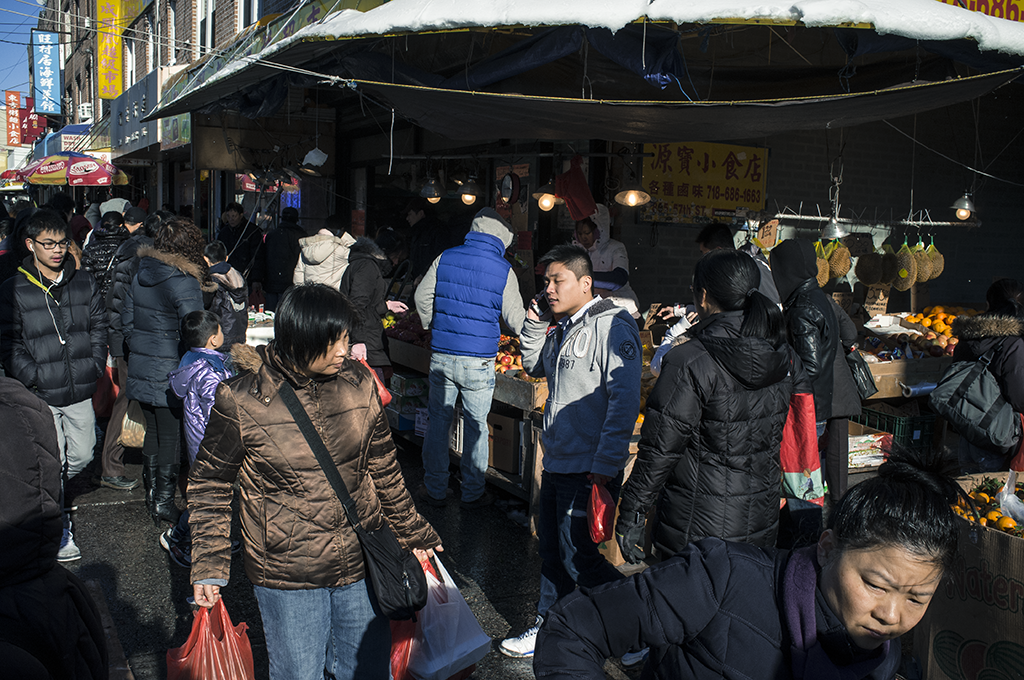
Chinese Americans are people in the United States who trace their ancestry to China or who were born in China and later became American residents or citizens. They form the largest single-origin group among Asian Americans and are found across metropolitan, suburban, and rural areas. Chinese American identity includes multiple generations as well as recent immigrants, and it encompasses a wide range of languages, religions, and cultural practices.
Image gallery
10 Images




Demographics and characteristics
According to national counts, the Chinese American population reached nearly four million in the early 21st century, representing a notable share of the nation’s Asian population (census and demographic sources). Large communities exist in states such as California and New York, with concentrations in major metropolitan regions. Commonly spoken languages include varieties of Chinese (Mandarin, Cantonese, and others) alongside English. Socioeconomic profiles vary: many have high educational and professional attainment while disparities persist by generation and immigration history.
History and migration
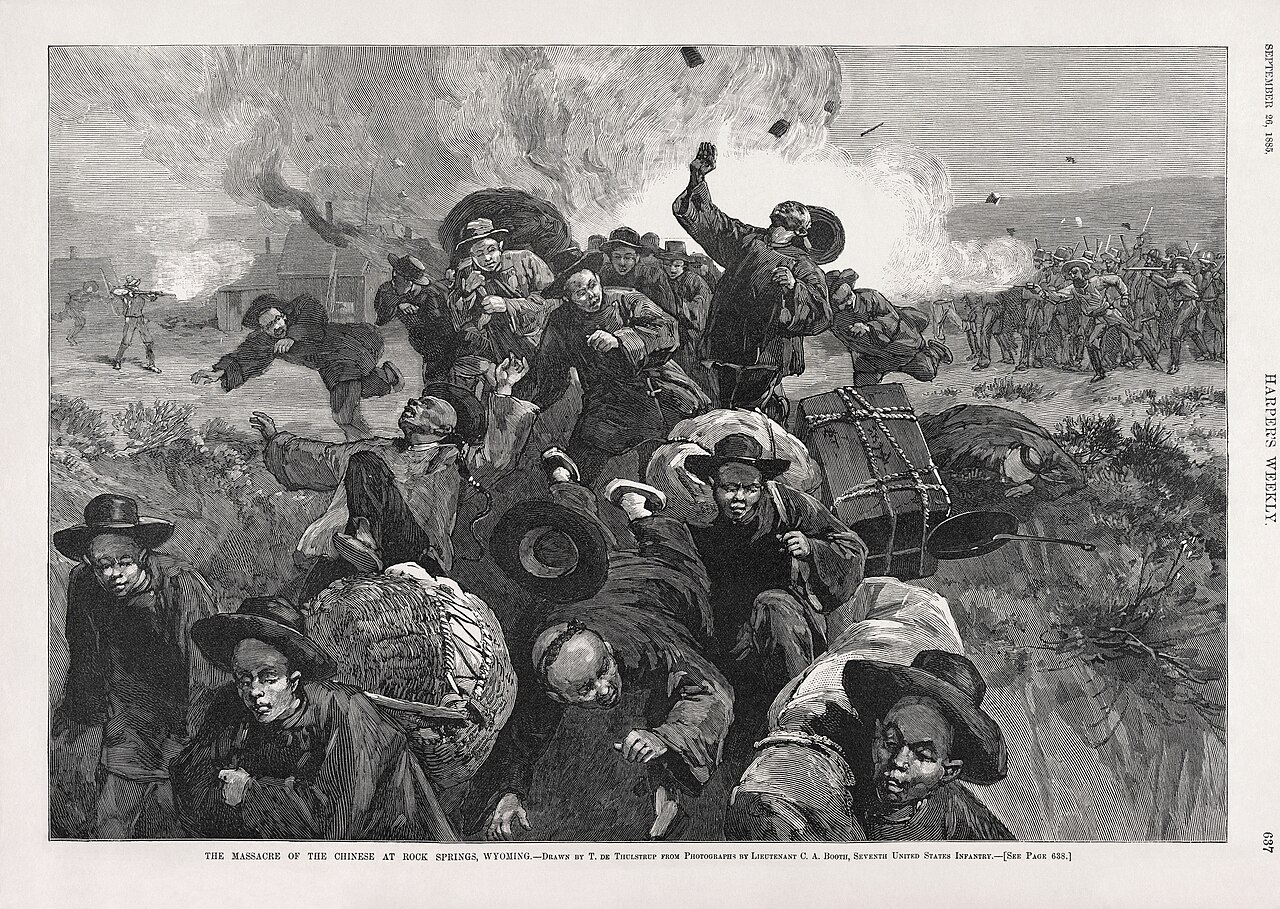
Chinese migration to the U.S. began in significant numbers in the 19th century, often tied to labor demands during the Gold Rush and the building of the transcontinental railroad. Restrictive laws and anti-Chinese sentiment culminated in exclusionary policies in the late 1800s; later reforms in immigration law and changes in global conditions led to renewed and diversified migration after the mid-20th century. Successive waves brought workers, students, refugees, and family members, shaping distinct regional and generational communities.
Culture, contributions, and notable figures
Chinese Americans have influenced American society in many fields: the arts, music, science, technology, business, sports, and cuisine. Famous individuals from different eras illustrate this diversity, including artists and entertainers such as Bruce Lee, musicians and performers, and accomplished young artists like George Li. Traditional customs and festivals coexist with new cultural expressions produced by Chinese American communities.
Contemporary issues and distinctions
Current concerns include immigration policy, language education, discrimination and hate crimes, representation in public life, and the persistence of the "model minority" stereotype that can obscure inequality. Community institutions—civic groups, cultural associations, religious centers, and business networks—play key roles in advocacy, mutual aid, and cultural preservation.
Notable facts and community life
- Historic neighborhoods called Chinatowns developed in many cities and remain cultural and commercial centers.
- Bilingual schooling and heritage language programs help maintain linguistic ties across generations.
- Community organizations often provide resources for new immigrants and foster civic participation.
For an overview of Chinese American history, demographic trends, and contemporary community resources, see census and cultural summaries available through national and local organizations in the United States and research compiled by academic and community groups (population studies). Additional cultural profiles and biographies can be found through dedicated cultural institutions and archives (China-related studies).
Related articles
Author
AlegsaOnline.com Chinese Americans Leandro Alegsa
URL: https://en.alegsaonline.com/art/19748
Sources
- factfinder.census.gov : "ASIAN ALONE OR IN ANY COMBINATION BY SELECTED GROUPS: 2016"
- ethnologue.com : "Ethnologue report for language code: cdo"
- ethnologue.com : "Ethnologue report for language code: wuu"
- pewforum.org : "Asian Americans: A Mosaic of Faiths"