
Childhood: overview, development, cultural and legal perspectives
Comprehensive overview of childhood: its stages, biological and legal definitions, cultural variations, developmental tasks, rights and social importance from infancy through the transition to adulthood.
Overview
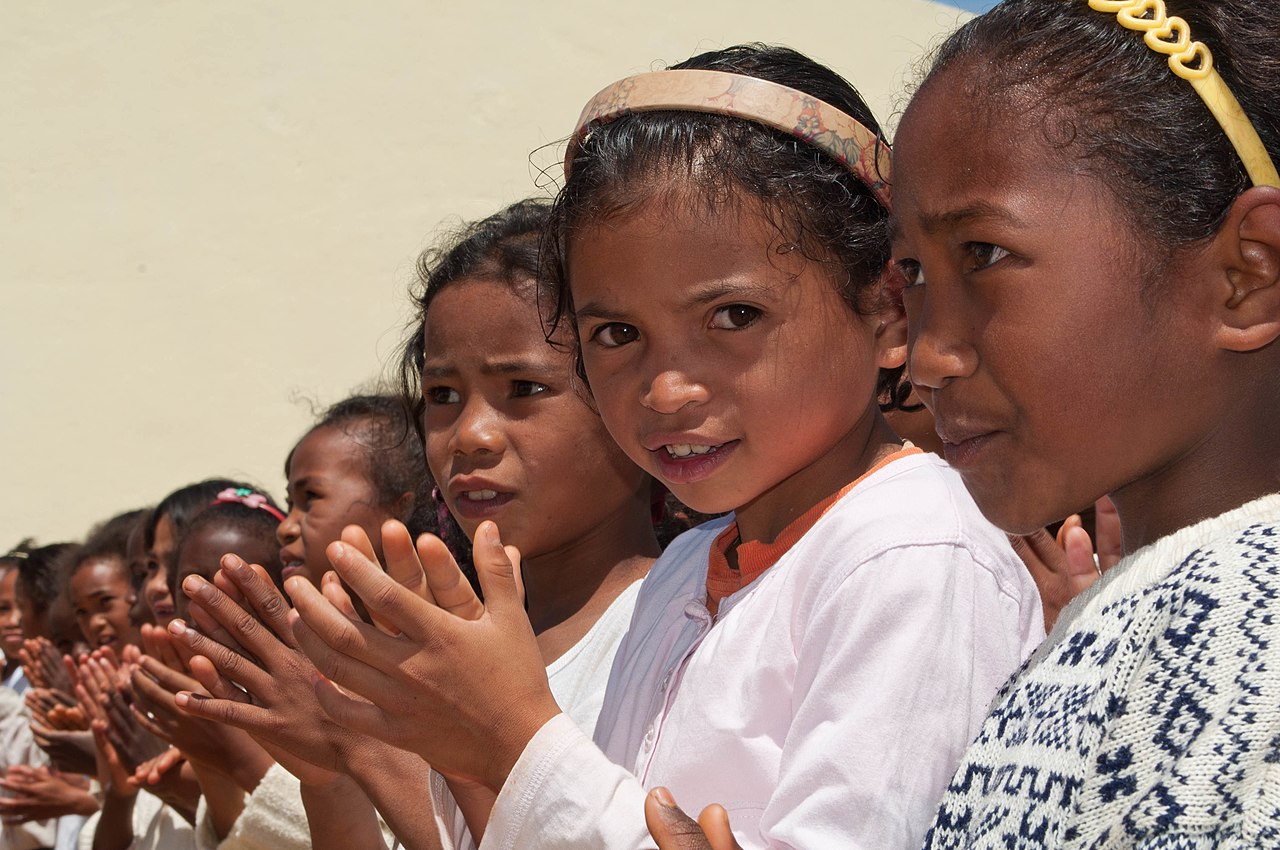
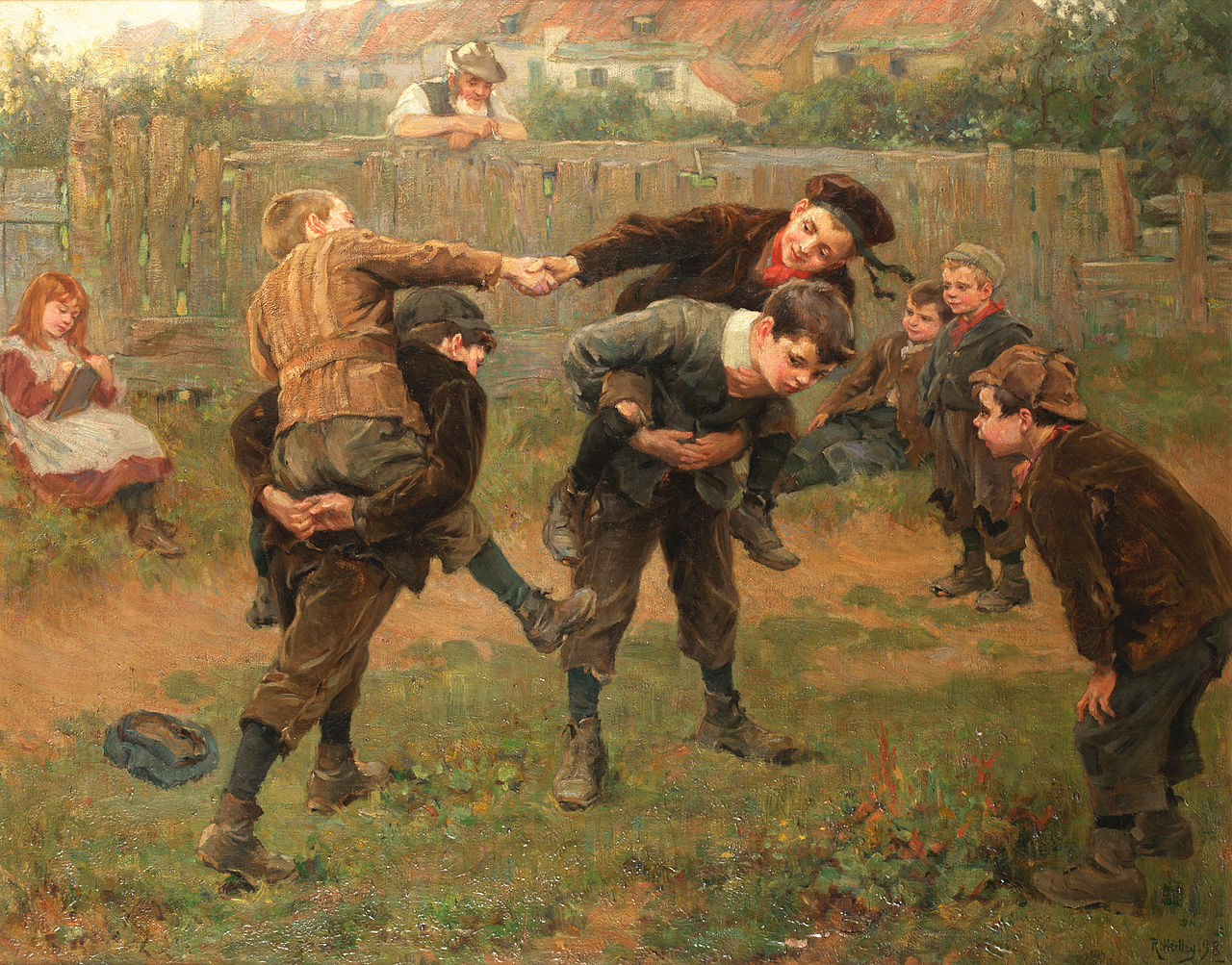
Childhood is the life phase that begins at birth and continues until the onset of puberty and the subsequent transition into adolescence and adulthood. It denotes the state or period of being a child, encompassing rapid physical growth, cognitive and emotional development, and significant social learning. How childhood is experienced depends on biological changes, family and community environments, and legal definitions set by societies.
Image gallery
10 Images



Developmental stages and characteristics
Childhood is commonly divided into several overlapping stages, each with typical milestones and needs:
- Infancy: the first months and years after birth, when basic senses, attachment and motor skills develop.
- Early childhood: preschool years bring language growth, imagination, and foundational social skills.
- Middle childhood: school-age years focus on learning, peer relations, and expanding self-control.
- Pre-adolescence and puberty: the biological changes that mark the end of childhood in many frameworks and the start of adolescence.
Historical and cultural perspectives
Conceptions of childhood have varied across history and cultures. Some societies have clear rites of passage marking the move from child to adult; others emphasize prolonged education or apprenticeship. Economic conditions, family structures and cultural values shape when children assume responsibilities, how they play and learn, and the extent of their legal protections.
Legal definitions, rights and protections
Legal systems distinguish childhood from adulthood through statutes often referred to as the age of majority, which determines when an individual gains full legal rights and responsibilities. Separate rules address juvenile justice, schooling obligations and child welfare. International accords, such as widely adopted child rights instruments, assert protections for health, education and safety while recognizing that the precise boundaries of childhood are not identical everywhere.
Importance and long-term impact
Experiences in childhood—nutrition, health care, stimulation, schooling and secure attachments—profoundly influence lifelong outcomes for learning, behavior and well-being. Play, guided learning and social interaction build skills that shape future economic, social and emotional functioning. Public policies and family practices that support early development are therefore central to both individual and societal futures.
Distinctive facts and considerations
Biological markers such as puberty do not always align with legal or cultural transitions to adulthood. Terms like "youth," "teenager" and "adolescent" describe overlapping phases that follow or coincide with the end of childhood. Understanding childhood requires attention to biology, law, culture and the practical conditions—poverty, education, health—that shape how it is lived around the world.
Related articles
Author
AlegsaOnline.com Childhood: overview, development, cultural and legal perspectives Leandro Alegsa
URL: https://en.alegsaonline.com/art/19662