
Child (human): definition, development, family roles and legal status
Overview of the human child: biological and legal definitions, developmental stages, family relationships, education, work, protections and contemporary issues.
Definition and scope
A child is a human who has not yet reached full legal or social adulthood. In a biological sense the term commonly refers to the period before the onset of puberty, while in law it usually denotes a person below the age of majority. In ordinary usage the word and related forms — for example children — may be applied more loosely to describe young people, and informal synonyms such as kid are widespread.
Image gallery
10 Images


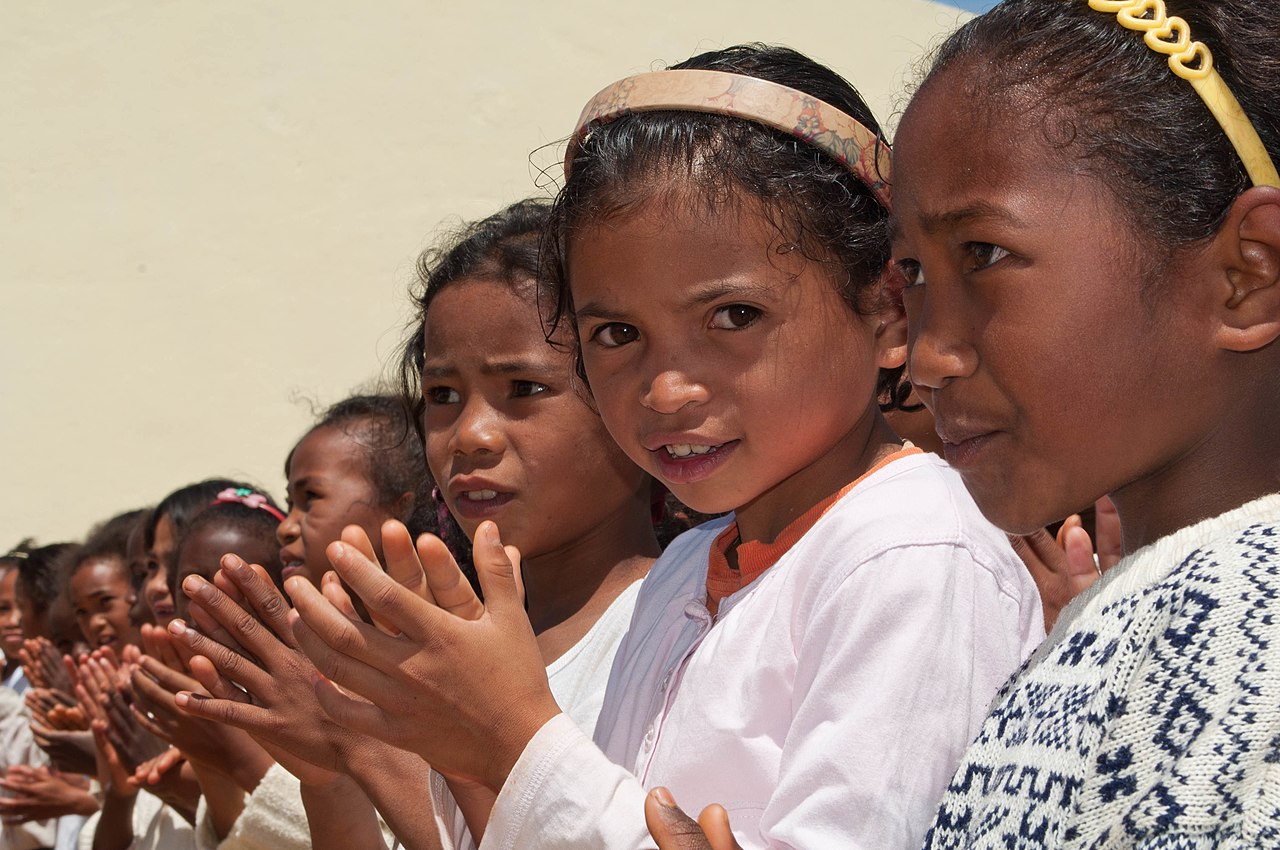
Stages of childhood
Childhood is often divided into stages to guide healthcare, education and parenting. Typical stages include infancy, toddlerhood, preschool years, school-age childhood and adolescence. Each stage is associated with characteristic changes in motor skills, language, social behaviour and emotional development. Health, nutrition and early stimulation influence outcomes during these stages, and public services such as school, nursery, preschool and kindergarten play major roles for many children.
Play, learning and development
Play is central to learning in early childhood; through play children practise social skills, solve problems and develop language. Access to safe places to play and to suitable toys or materials supports cognitive and emotional growth. Broadly known frameworks for child development emphasise responsive caregiving, stimulation, adequate nutrition and healthcare as foundations for later learning and wellbeing.
Family, care arrangements and legal categories
Children live in a variety of family situations. They may be raised by biological parents or by a parent who is not biologically related. When parents form new partnerships, a child of one partner is often called a non-birth parent's stepchild; children in such households may be described as step-siblings. A child whose parents have died is an orphan and may live with relatives, in foster care or in an orphanage. Many societies provide legal routes such as adoption or guardianship to secure long-term care and inheritance rights. The concept of family and the responsibilities attached to parenthood vary culturally and legally.
Work, protection and rights
Across the world there is wide variation in children's daily lives. In wealthier societies most children spend many years in formal education, while in some contexts children contribute to household livelihoods. In developing regions some children perform paid or unpaid work in agriculture, industry or services; these practices are often discussed under the heading of developing countries and child labour. International instruments and many national laws seek to protect children from exploitation and to ensure access to education, healthcare and social services.
History, culture and contemporary concerns
Conceptions of childhood have changed over time and differ between cultures. Historically, children often took on economic roles at younger ages; over recent generations most societies have extended legal protections, made schooling more widely available and emphasized leisure and development. Contemporary policy debates focus on issues such as early childhood investment, child health and nutrition, rights protection, balancing work and education, and supporting families through social services and legislation. Further information on terms and topics is available in related entries and resources.
Questions and answers
Q: What is the definition of a child?
A: A child is a person below the age of puberty (biologically) or below the age of majority (legally).
Q: What are some activities that are important for children's development?
A: Playing with small toys and using their imaginations are important for child development.
Q: What is a stepchild?
A: A stepchild is a child whose parents have been married to each other, but one or both of them had children with someone else before this marriage.
Q: How can an orphan be raised?
A: An orphan may be raised by grandparents or other relatives, or they may go to live in an orphanage. They may also be adopted by another adult or couple wanting a child.
Q: What do children in rich countries typically do?
A: In rich countries, children typically go to school. Smaller children may go to nursery school, preschool, or kindergarten.
Q: What do children in developing countries often do?
A: In developing countries, children often work in factories or in the fields with their parents or guardians.
Q: How does adoption provide an opportunity for orphans?
A: Adoption provides orphans with the opportunity to grow up in a new family and have access to resources they otherwise would not have had access to if they remained an orphan.
Related articles
Author
AlegsaOnline.com Child (human): definition, development, family roles and legal status Leandro Alegsa
URL: https://en.alegsaonline.com/art/19656