
Carillon: the tuned tower-bell instrument
A carillon is a stationary musical instrument of tuned bells in a tower, played from a keyboard or automatically; this article explains its parts, history, playing methods, and notable examples.
Overview
A carillon is a musical instrument made of a set of cast bells (bells) hung in a tower or structure often referred to as a bell tower. By convention a carillon has at least 23 bells; smaller collections are usually called chimes. Carillons serve both musical and civic functions, sounding melodies, hymns, fanfares and time signals from public locations.
Image gallery
10 Images


Structure and how it is played
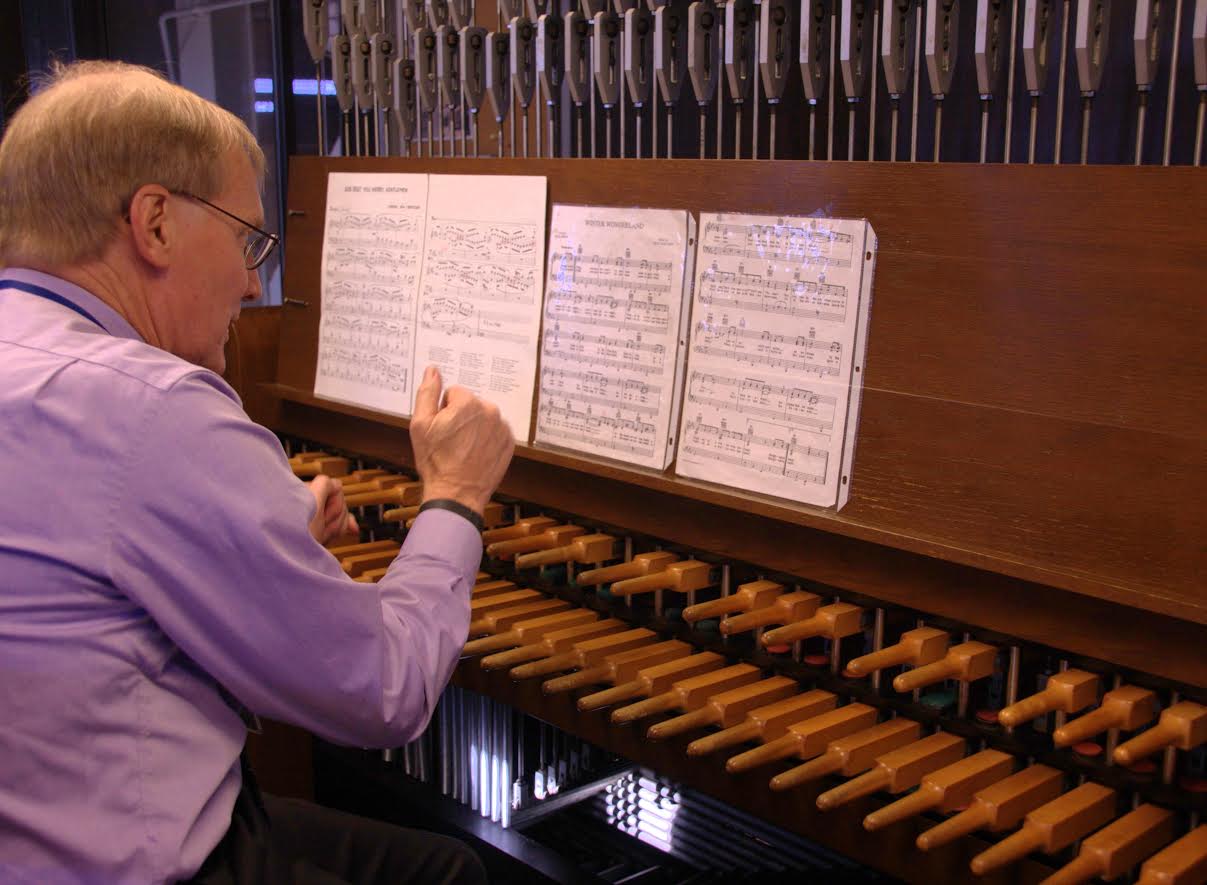
Each bell in a carillon is tuned to a distinct note and connected to a playing mechanism. Many instruments are played from a manual clavier or keyboard that resembles a large upright piano or the console of an organ, but is specially built for mechanical linkage. The keys are often wooden batons that the performer strikes with closed batons or hands; this action pulls wires to actuate bell clappers. Traditional technique uses the fist or forearm rather than individual fingers, and players must control touch and release to shape tone (closed fists).
Large bells provide the lowest notes and are sometimes called the bourdon. Some carillons include a pedalboard or pedal keyboards to sound the deepest tones, allowing a performer to combine hands and feet in concert repertoire. Each bell speaks at a distinct pitch, and the relation between bell sizes, strike points and internal tuning gives the instrument its characteristic sonority.
Origins and development
Carillons developed in the Low Countries (what is now Belgium and the Netherlands) in the late medieval and early modern periods, where municipal towers and churches installed tuned bell sets for civic ceremonies and timekeeping. Over centuries the instrument evolved in the number of bells, tuning precision and keyboard design, allowing dedicated composers and players—carillonneurs—to write specifically for the medium.
Automation, modern controls and types
Not all carillons are played manually. Some are fitted with automatic mechanisms: historical examples use a mechanical or clockwork system that triggers tunes at set times, a principle similar to public clocks such as Big Ben. Famous automatic installations include the set in the Spasskaya Tower of the Kremlin and the carillon-like clock in Amsterdam’s Munttoren. Contemporary installations often use electric or digital controls so that performances can be triggered or recorded from a console or computer-controlled system.
Uses, maintenance and notable examples
Carillons are widely used in church and civic contexts: they mark hours, play hymn settings, provide background music for ceremonies, and offer public concerts. Instruments vary greatly in size: for example, the church known as Kirk in the Hills in Michigan houses one of the larger American examples with many dozens of bells. One particularly heavy carillon in a New York City church is reported to weigh roughly 91 tonnes, illustrating the substantial engineering involved (New York City).
Bell metal (a bronze alloy) is traditionally cast and then carefully tuned by removing metal from the inner surface to refine the harmonic profile. Regular maintenance is required to keep clappers, bearings and linkages in good working order, and tuning or replacing bells is an expensive, specialized task.
Repertoire, players and distinctions
Professional players, called carillonneurs, perform original compositions and transcriptions. The instrument’s dynamic range and sustain differ from keyboard and orchestral instruments, so repertoire emphasizes rhythmic clarity and voicing that suit resonant bells. Distinct from change-ringing (a separate English tradition of swinging bells) and from smaller chimes, the carillon is essentially a fixed-pitch, stationary ensemble of bells designed for melodic and harmonic music.
- See also: manual and automatic carillons, conservation, and concert practice.
- Historic and modern examples include civic towers and university or church installations such as the Peace Tower carillon.
The carillon remains a visible and audible symbol of community life: an instrument rooted in local tradition yet adapted to modern technology and repertoire.
Related articles
Author
AlegsaOnline.com Carillon: the tuned tower-bell instrument Leandro Alegsa
URL: https://en.alegsaonline.com/art/16981