
Organ (musical instrument)
Keyboard-based family of instruments producing sound via pipes, reeds or electronics; central to church liturgy, concert repertoire, theatre accompaniment and many modern genres.
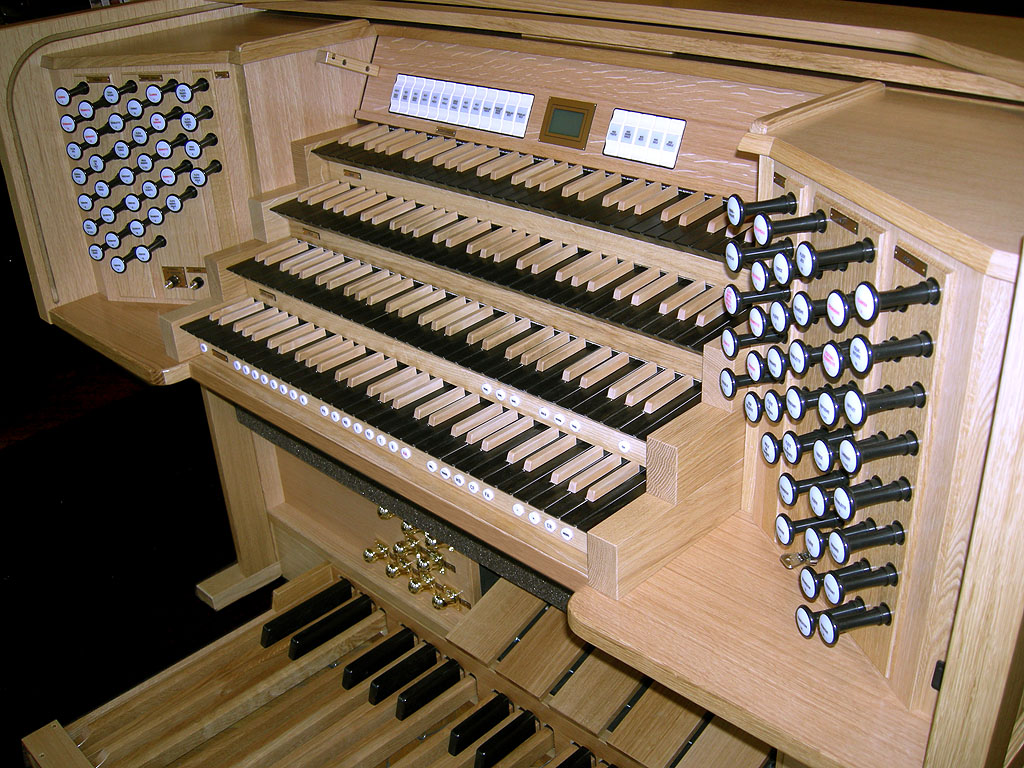
The word organ denotes a family of keyboard instruments that create sustained musical tones by directing air through pipes, by vibrating free reeds, or by electronic generation and amplification. The English term derives from the Greek organon, meaning an instrument or tool; for a general overview see organ. Most organs are played from one or more manuals — keyboards on the console — and many include a pedalboard operated by the feet (keyboards, pedalboard).
Image gallery
10 Images





Characteristics and main components
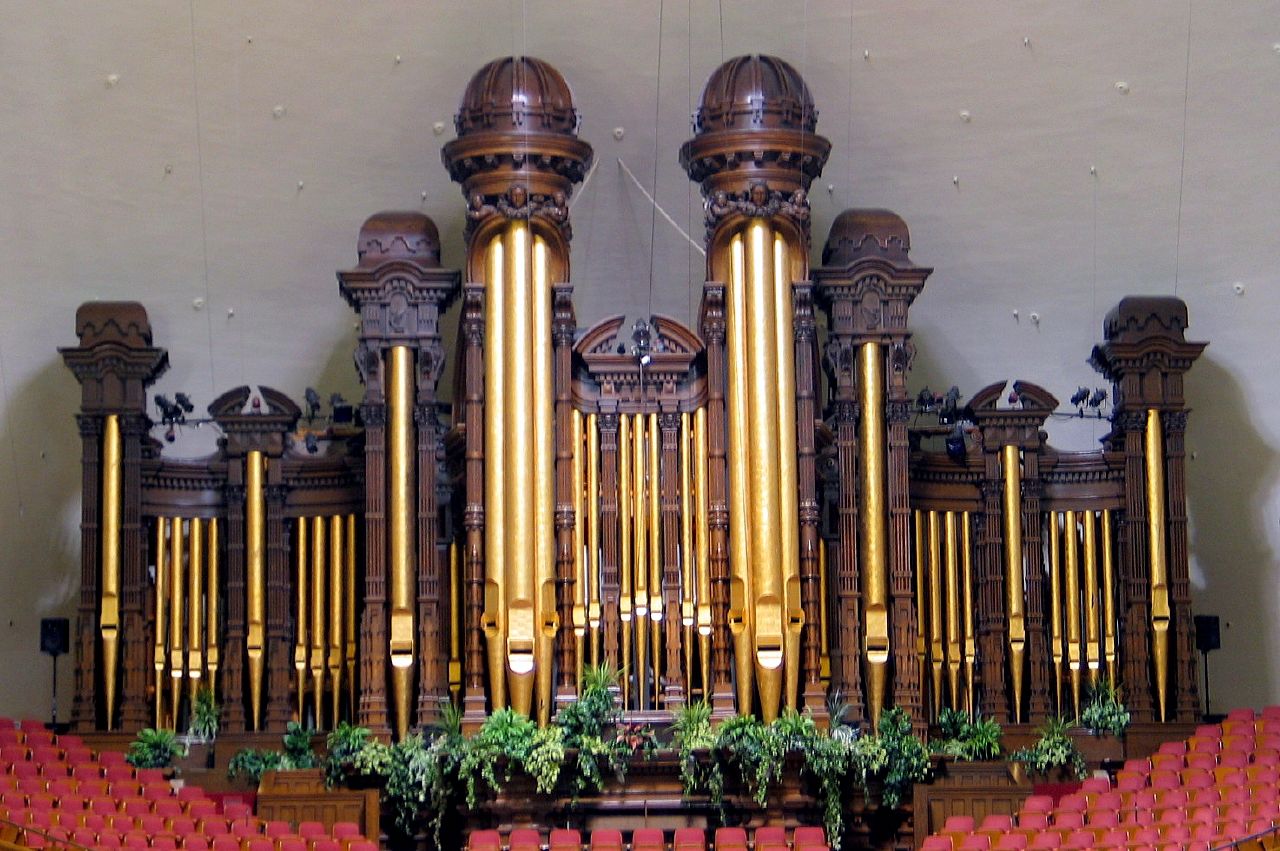
A typical organ has a console with manuals and pedals, a stop system that selects timbres, a wind or electronic supply, and the sound-producing elements themselves. In pipe organs these are ranks of pipes voiced to particular timbres (principals, flutes, strings, reeds); in free-reed and harmonium types the sound comes from vibrating reeds and bellows (harmonium). Electronic and digital instruments use speakers and amplification to recreate or imitate pipe sounds (pipe and digital types).
- Console: manuals, pedalboard, stop controls and couplers used for registration.
- Pipes or tone generators: metal and wooden pipes, reed ranks, or electronic voices.
- Stops and ranks: groups of pipes or voices selectable to build combinations of tone and colour.
- Wind and action: bellows or blowers, reservoirs, and the mechanical, pneumatic or electrical action linking keys to sounding elements.
- Casework and acoustics: enclosures and placement that shape the instrument’s projection into a room.
Types and classifications
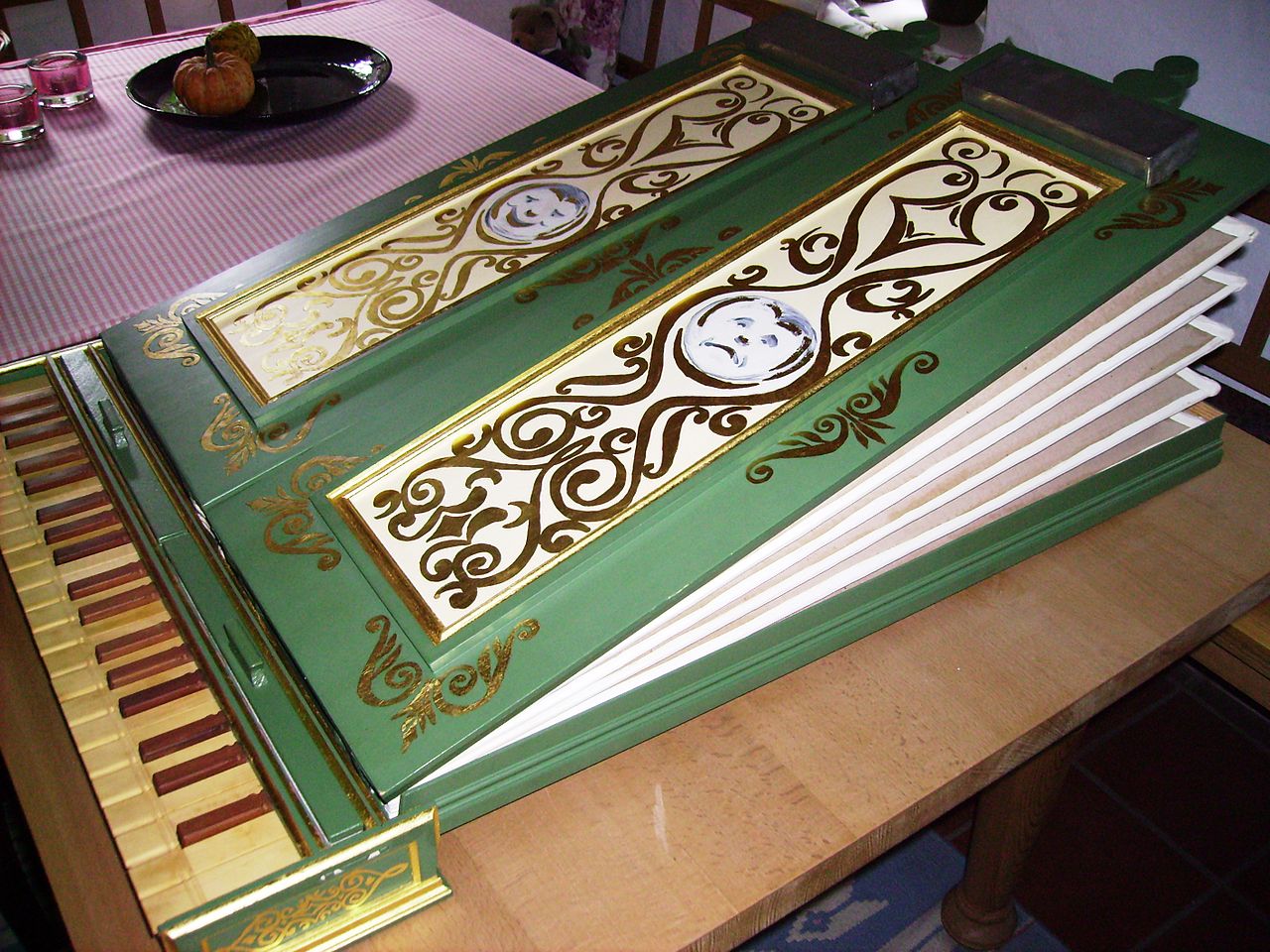
Organs range from small portatives and chamber instruments to massive installations in churches and concert halls that may occupy galleries or entire chambers. Important categories include tracker-action and mechanical-action pipe organs, pneumatic and electro-pneumatic instruments, free-reed instruments and harmoniums, theatre organs voiced for orchestral colours, and modern electronic or digital organs that emulate pipe ranks (theatre, concert).
History and development
Ancient mechanical organs, including water-driven mechanisms, are known from antiquity; the instrument developed continuously through the medieval and Renaissance periods as wind and pipe technology improved. The Baroque era codified tonal families and contrapuntal keyboard techniques; the 19th century expanded tonal resources and dynamics to suit Romantic repertoire. In the 20th century electronic technology created new portable and hybrid instruments, while historic-preservation movements encouraged restorations of older organs and revival of historic temperaments and voicing practices.
Repertoire, uses and cultural role
Organs play a central role in Christian liturgy and accompany choirs and congregational singing. The instrument also has a substantial solo repertoire spanning improvisation, liturgical settings and concert works; composers such as Johann Sebastian Bach, César Franck, Charles-Marie Widor and Olivier Messiaen are closely associated with organ literature. Theatre organs provided live accompaniment to silent films and added orchestral effects in cinemas. In the 20th and 21st centuries organs and keyboard-based electric instruments appear in jazz, rock and experimental music as distinctive solo or ensemble voices.
Playing technique and maintenance
Organists balance manual and pedal technique, registration (selection and combination of stops), legato and contrapuntal articulation, and often improvisation. Pipe organs require periodic tuning and voicing, wind-supply maintenance and attention to action components; changes in temperature and humidity affect pitch and leather or cloth parts. Electronic organs have distinct maintenance concerns, such as amplification and digital systems. Practical guides and specialist literature discuss these topics in detail (pedalboard, keyboards).
Preservation, restoration and notable examples
Because many pipe organs are integral to a building’s fabric, conservation involves organ builders, historians and acousticians. Restorations aim to respect historic materials and voicing while allowing reliable modern operation. Instruments may be described in terms of their tonal design rather than size alone; their suitability for specific repertoire and the acoustic environment is decisive. Readers can consult specialist collections and institution pages for case studies and technical descriptions (reed, types, theatre).
Related articles
Author
AlegsaOnline.com Organ (musical instrument) Leandro Alegsa
URL: https://en.alegsaonline.com/art/73085