
Kremlin: fortified citadel and symbol of Russian authority
A Kremlin is a fortified central complex found in many historic Russian cities; most famously the Moscow Kremlin, seat of government and a cultural landmark with churches, palaces and walls.
The word кремль (transliterated as "Kremlin") originally means fortress, citadel or castle in Russian and refers to a fortified central complex in historic towns. In its most familiar usage the term denotes the Moscow complex that houses cathedrals, palaces, government offices and defensive walls, but many older Russian cities have their own kremlins or fortress-like cores. The name also functions as a metonym for the national government when writers and speakers refer to "the Kremlin."
Image gallery
5 Images

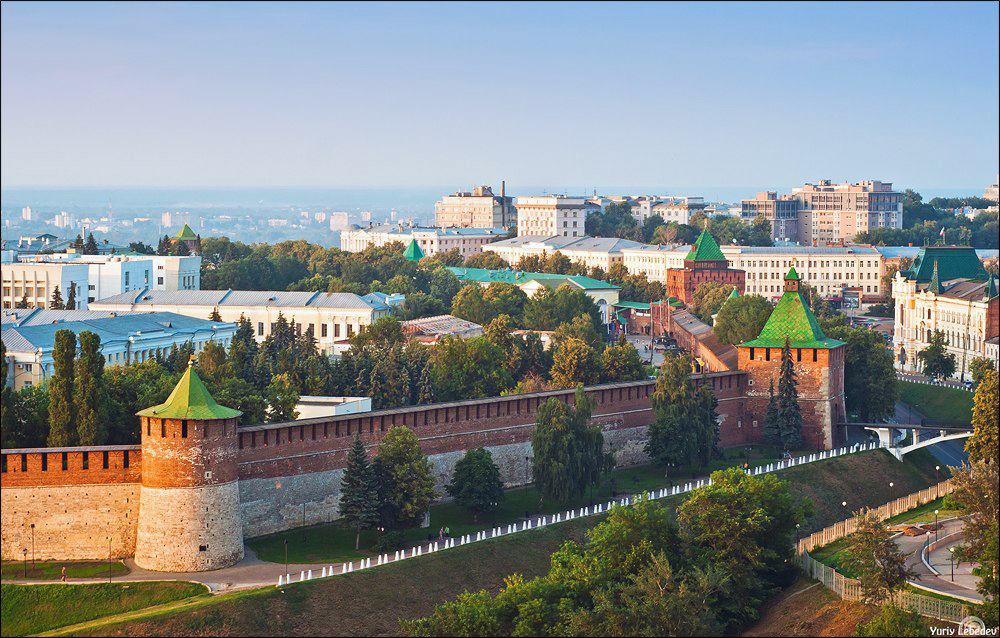


Characteristics and components
A typical kremlin combines military, religious and administrative structures within defensive walls and towers. Common elements include:
- Thick stone or brick walls and watch towers designed for defence.
- Cathedrals and churches that served as religious centers and burial places for rulers.
- Grand palaces and government buildings where rulers or administrators lived and worked.
- Open squares and ceremonial spaces used for public events.
History and development
Kremlins grew out of early medieval fortified settlements used to protect trade routes and princely residences. Over centuries they were rebuilt and expanded: wooden fortifications were replaced by stone or brick, churches and palaces were added, and layouts changed to reflect evolving military technology and political needs. Many towns across the Rus' lands developed their own central kremlin or citadel, forming a recognizable feature of historic Russian urban design. For a broader historical overview see related material.
Notable examples and modern role
The Moscow Kremlin is the most famous and remains the official residence of the head of state; its ensemble, together with Red Square, is widely recognized as a heritage site. Other regional kremlins — for example in Kazan and Novgorod — are important cultural monuments and tourist attractions. Today the term "the Kremlin" often appears in journalism and diplomacy to indicate the Russian executive authorities or official policy.
Memorials, mausoleums and notable sites
Within the Moscow Kremlin walls there is a necropolis where prominent Soviet-era figures were interred; this Necropolis contains monuments to some communists and state leaders. Nearby, outside the Kremlin walls, stands the famous mausoleum associated with Vladimir Lenin, often referenced simply as the Lenin Mausoleum. These sites illustrate how kremlins can combine defensive, ceremonial and commemorative functions.
As both architectural complexes and political symbols, kremlins occupy a central place in Russia's cultural landscape. They are studied for their art and architecture, their role in state formation, and their continuing significance in modern political language.
Questions and answers
Q: What does the term Kremlin mean in Russian?
A: Kremlin means "fortress", "citadel" or "castle".
Q: What is the significance of the term Kremlin in historic Russian cities?
A: It is used to refer to fortified central complexes in historic Russian cities.
Q: What does the term Kremlin refer to in Moscow?
A: In Moscow, Kremlin refers to the central square.
Q: What is the other meaning of the term Kremlin?
A: The word is also used to mean the government of Russia.
Q: Where is the Necropolis for communists located in the Moscow Kremlin?
A: The Necropolis for communists is in one of the walls of the Moscow Kremlin.
Q: Where is the mausoleum for Vladimir Lenin located in relation to the Moscow Kremlin?
A: The mausoleum for Vladimir Lenin is outside the Moscow Kremlin.
Q: What kind of complexes does the term Kremlin refer to in Russia's historic cities?
A: The term Kremlin is used to refer to fortified central complexes in Russia's historic cities.
Related articles
Author
AlegsaOnline.com Kremlin: fortified citadel and symbol of Russian authority Leandro Alegsa
URL: https://en.alegsaonline.com/art/54436