
Carnaval, Op. 9 — Schumann’s piano cycle of masks and motifs
Carnaval, Op. 9, is Robert Schumann’s cycle of short piano pieces evoking masked revelers, personal portraits and commedia dell’arte figures around a cryptogram of four notes.
Carnaval, Op. 9, is a cycle of brief, contrasting piano pieces written by Robert Schumann in 1834–1835. Subtitled Scènes mignonnes sur quatre notes ("little scenes on four notes"), the set presents a musical masked ball: miniature portraits, dramatic episodes and comic interludes that together create a single imaginative scene rather than a conventional sonata. The work is often cited as a landmark of the Romantic piano character piece and remains a staple of the concert repertoire.
Image gallery
4 Images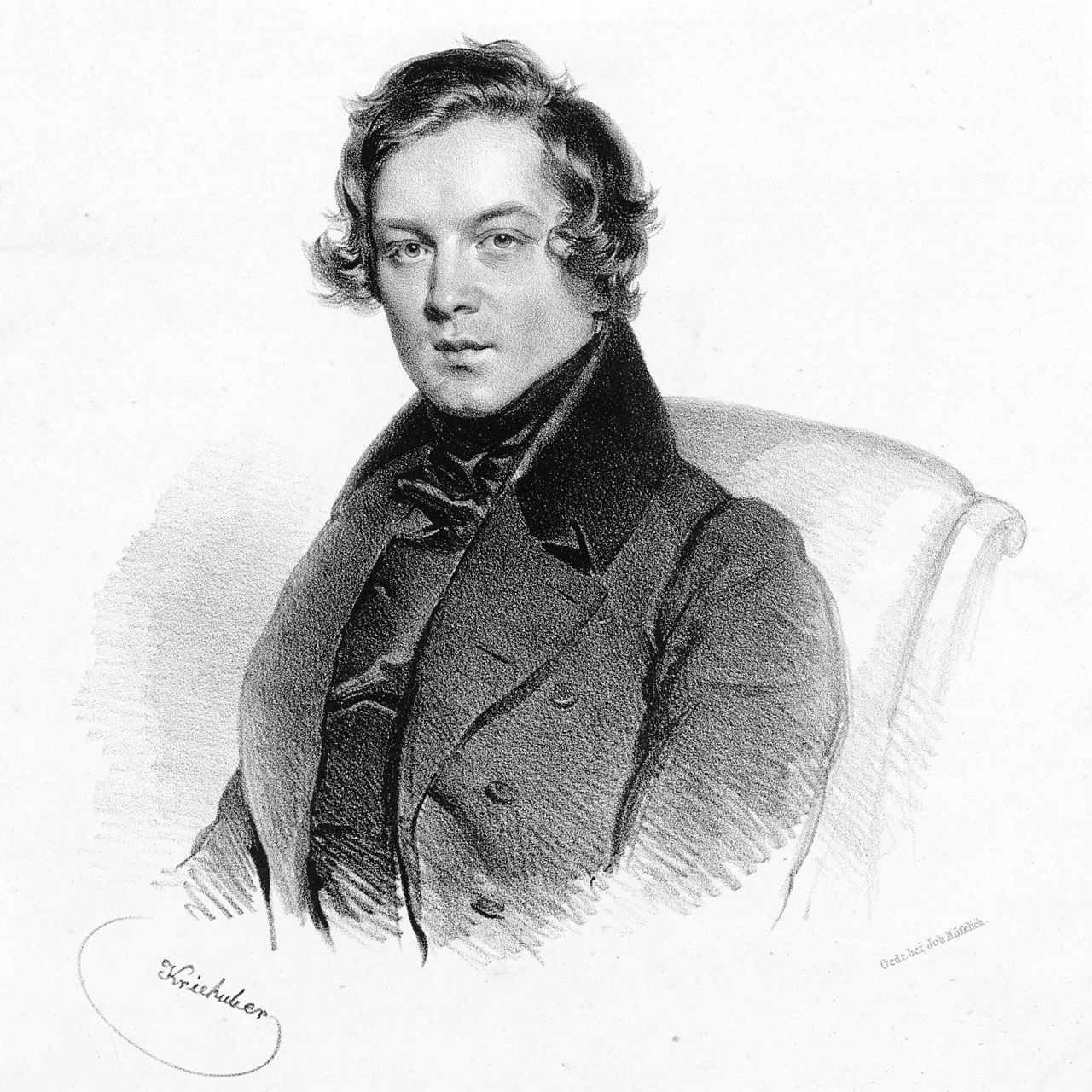



Characteristics and structure
Carnaval consists of a sequence of short movements, each bearing a descriptive title and a distinct mood. Schumann blends lively dance rhythms, lyric episodes and fleeting motives to suggest masks, flirtations and inner voices. A unifying feature is the use of a four‑note motif—A, E♭, C, B—which appears in various guises throughout the cycle and serves as a musical cryptogram. The pieces vary in technical demands and expressive aim: some are whimsical sketches, others intimate portraits or dramatic outbursts. Two well-known movements embody Schumann’s alter egos, Eusebius (dreamy, introverted) and Florestan (impetuous, fiery).
Themes, portraiture and the ASCH motif
Schumann’s Carnaval interweaves public characters from the commedia dell’arte—figures such as Pierrot and Harlequin—with personal portraits of friends, acquaintances and aspects of his own personality. The four-note sequence (A–E♭–C–B) is commonly read as the letters A‑S‑C‑H in German musical notation and has been linked to the Bohemian town Asch and to people in Schumann’s life. This kind of musical cryptogram and the alternation of opposing temperaments exemplify Romantic interest in coded meanings and psychological contrast.
History, first performances and adaptations
Although Schumann composed Carnaval for solo piano, he and his wife, Clara Schumann, worried that many of his piano pieces were difficult for general audiences; the work saw limited public exposure in his lifetime. Nevertheless, influential contemporaries recognized its value. For example, Franz Liszt performed selections from Carnaval in Leipzig in 1840, helping to promote the score. In the early 20th century the music was adapted and orchestrated for the stage: selections were used for a ballet produced for the Ballets Russes, presented as a choreographic spectacle by such nationalist and avant‑garde companies, and one historic production starred Nijinsky; later adaptations treated the cycle as source material for modern dance and stage projects (ballet arrangements).
Reception and legacy
Over time Carnaval became one of Schumann’s most frequently performed works, prized for its imaginative variety, concentrated forms and psychological range. Pianists value it for the way it tests both technical control and narrative expression within short spans. Musicologists often point to Carnaval as a model of Romantic character cycles and to its inventive use of motivic unity tied to literary and autobiographical associations.
Notable facts and distinctions
- Carnaval is a prime example of the 19th‑century "character piece": short piano movements with evocative titles rather than abstract forms.
- The alternation of opposing characters (especially Eusebius and Florestan) represents inner psychological contrast rather than external drama.
- The ASCH/ASC H motif is a musical pun that links private reference, place names and coded identity—an approach Schumann used elsewhere in his music.
- While originally written for solo piano, Carnaval’s adaptable musical content has encouraged transcriptions and choreographic settings, expanding its presence beyond the recital hall.
Today Carnaval continues to be studied, recorded and performed both as an independent piano masterpiece and as a source of theatrical and choreographic inspiration; its mixture of playful masks, personal portraiture and motivic cohesion keeps it central to understanding Schumann’s artistic imagination.
Related articles
Author
AlegsaOnline.com Carnaval, Op. 9 — Schumann’s piano cycle of masks and motifs Leandro Alegsa
URL: https://en.alegsaonline.com/art/17147
Sources
- abrsm.org : abrsm.org