
Pedal (music)
A pedal is a foot-operated control found on many musical instruments. Pedals modify sound, sustain notes, change pitch or add effects, and exist as mechanical and electronic devices across acoustic and electric instruments.
In music, a pedal is any foot-operated control used to alter an instrument's sound, sustain notes, change pitch, or activate an effect. Pedals appear in both acoustic instruments (for example pianos, harps and pipe organs) and in electric or electronic setups (guitar stompboxes, expression pedals and MIDI foot controllers). They let performers free their hands while making continuous or momentary adjustments with the feet.
Image gallery
8 Images
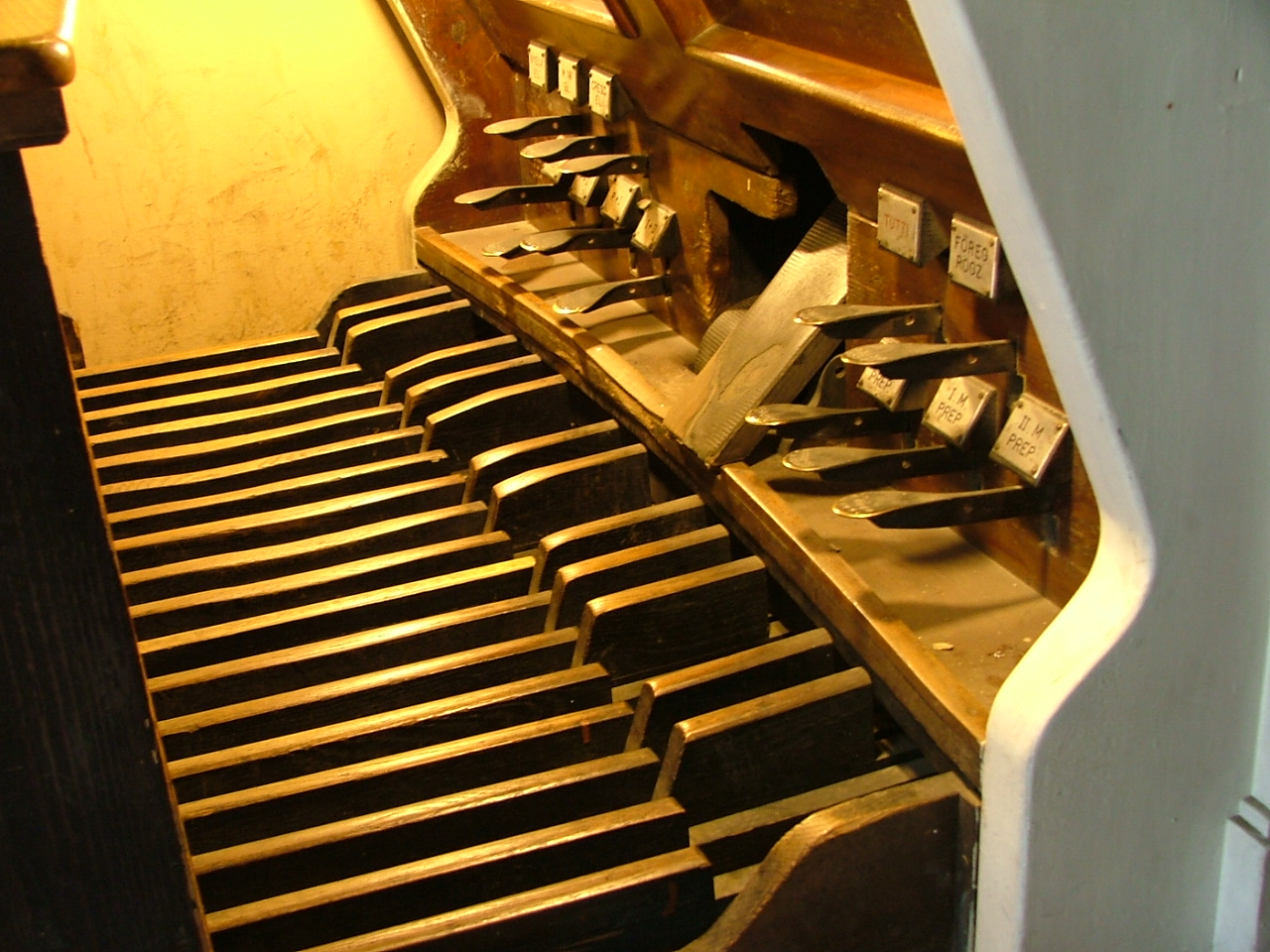


Main types and where they are found
- Piano pedals: commonly include the sustain (damper) pedal, the una corda (soft) pedal and the sostenuto pedal; each changes how hammers, strings and dampers interact.
- Organ and harmonium pedals: footboards and expression pedals provide low bass notes and dynamic control.
- Harp pedals: linked mechanisms alter the tuning of string groups to change key or add sharps/flats.
- Guitar and electronic pedals: stompboxes and expression pedals add effects such as distortion, delay, wah, volume swells and parameter control.
- Drum and orchestral pedals: hi-hat and timpani pedals change articulation or tuning.
Functions vary: sustain pedals hold notes beyond finger release, una corda shifts a piano's action to change timbre, and organ pedalboards let a single player perform bass lines. Electronic pedals can be momentary (active only while pressed) or latching (toggle on/off), and many modern foot controllers send MIDI to shape synth parameters.
Pedal technique and notation differ by tradition. Pianists learn coordinated foot timing and subtle half-pedaling to control resonance; composers may mark pedal use with abbreviations such as "Ped." and symbols indicating release. Guitarists often tap stompboxes rhythmically; organists use precise footwork on the pedalboard.
Historically, pedals evolved from early knee levers and hand stops. As keyboard instruments developed greater expressive needs, foot-operated mechanisms became standard to expand an instrument's capabilities without occupying the hands. Electronic pedals expanded available sounds in the 20th century and continue to integrate with digital control systems.
Distinctions to note: acoustic pedals alter physical mechanisms, producing sympathetic resonance or mechanical changes; electronic pedals modify electrical or digital signals. For further general reference on instrument controls and pedals see related resources.
Pedals remain central to many styles and instruments because they allow simultaneous control of multiple musical parameters, making them indispensable for expression, arrangement and performance technique across genres.
Related articles
Author
AlegsaOnline.com Pedal (music) Leandro Alegsa
URL: https://en.alegsaonline.com/art/75399