
Samuel Adams (1722–1803): Organizer of Resistance and Massachusetts Statesman
Samuel Adams, a Boston-born political leader and pamphleteer, organized colonial opposition to British rule, helped spark the American Revolution, served in public office in Massachusetts, and shaped early American republicanism.
Samuel Adams was a leading figure in colonial Massachusetts whose political writing, organizing, and public service helped shape the course of the American Revolution and the early United States. Born in Boston in 1722, Adams became prominent as a critic of British imperial policies, an organizer of protests, and an active participant in revolutionary politics. His work combined grassroots organizing at the town level with participation in provincial and national bodies, producing an enduring reputation as a voice for popular rights and republican government.
Image gallery
10 Images


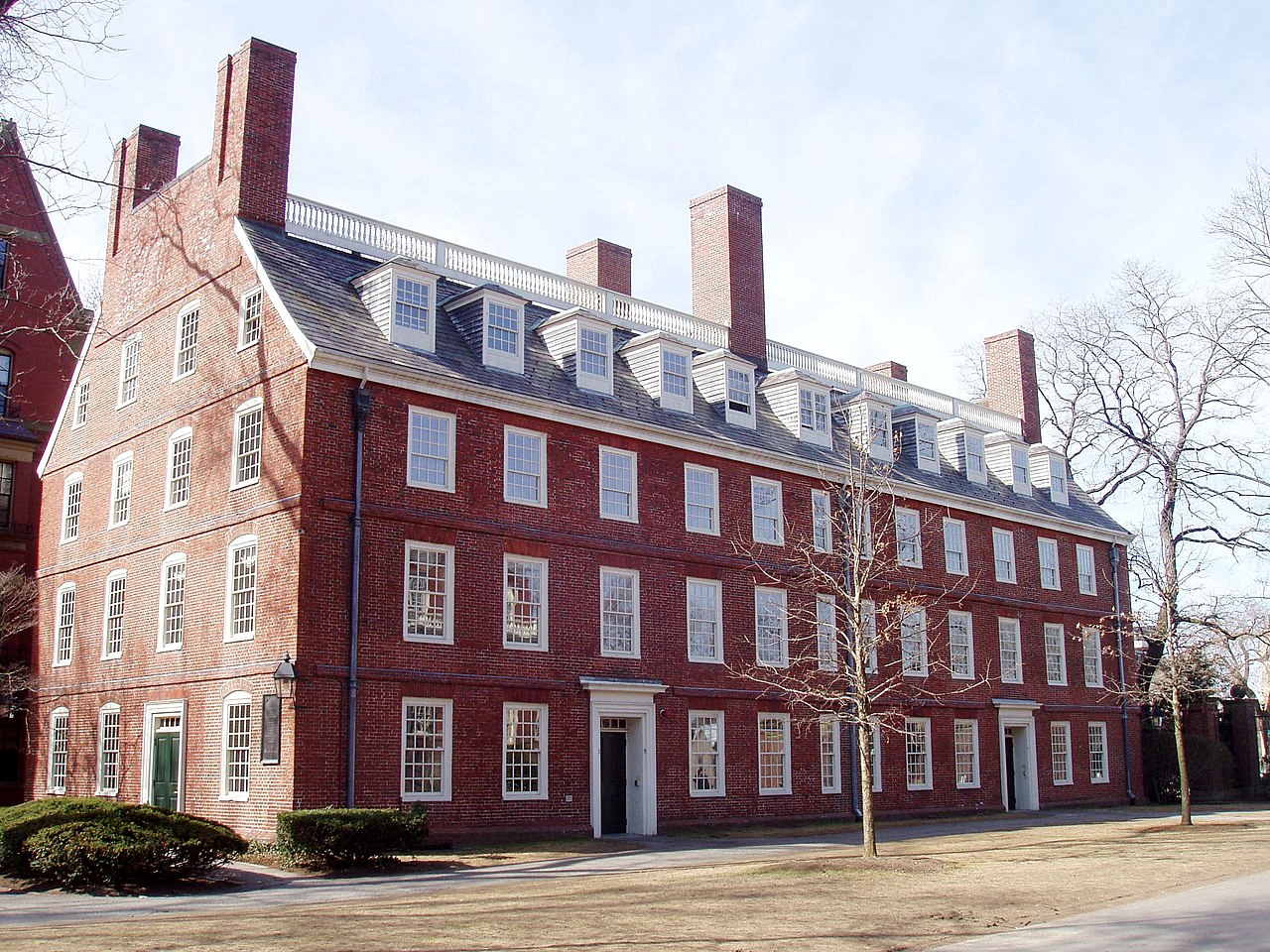


Early life and education
Adams was raised in a New England household and educated at Boston Latin School and Harvard College, where he acquired the classical and rhetorical training common to many colonial leaders. Early in adult life he engaged in commerce and later ran a malt business, but financial and personal setbacks shifted his attention toward public affairs. Close familial ties—with cousins and contemporaries active in law and politics—placed him in a circle that debated constitutional questions and imperial policy, helping to launch his career as a political writer and organizer.
Political activity and role in the Revolution
During the 1760s and 1770s Adams emerged as a persistent critic of Parliamentary measures that he and others regarded as violations of colonial rights, such as taxation without representation. He wrote essays and letters, mobilized town meetings, and worked with networks of committees to coordinate resistance across Massachusetts and beyond. Adams associated with groups that protested imperial policies and helped plan direct actions that dramatized colonial opposition. He served as a delegate to the Continental Congress and supported the decision for independence, contributing to debates that culminated in the Declaration of Independence.
Public service, constitution-making, and later life
After independence Adams continued in public life. He participated in drafting documents for state and national governance, including work connected with the Massachusetts constitution and the early confederation period. In Massachusetts he served in executive posts, including lieutenant governor and later governor, overseeing a state adjusting to peace, economic readjustment, and the politics of the 1790s. He retired from public office in the late 1790s and died in 1803, leaving a mixed legacy as both a popular agitator and a traditional republican magistrate.
Characteristics, methods, and legacy
Adams combined pamphleteering and public oratory with organizational skill: he helped create town-based committees, circulated persuasive writings, and cultivated alliances among merchants, artisans, and civic leaders. He is remembered for his insistence on protecting liberties against centralized authority and for advancing the idea that ordinary citizens could and should participate actively in political life. Historians note both his fervent commitment to principle and his willingness to employ political pressure and spectacle to achieve aims. His name is associated with events and institutions that symbolize popular resistance in the 18th century.
Notable facts and further reading
Notable points often emphasized about Adams include his role in mobilizing colonial opposition, his close relationship and political differences with other founders, and his contribution to Massachusetts statehood. For readers seeking primary and secondary sources, the following links point to collections, biographies, and documentary materials often used to study his life and times:
- Birth and early records
- Calendar and date notations
- Biographical overview
- Death records
- Contemporary notices
- Context of colonial society
- Political offices and roles
- Collected writings and pamphlets
- Founders and the independence movement
- Opposition to British policy
- Accounts of the Boston Tea Party
- Chronology of protest actions
- Continental Congress records
- Debates on independence
- 1776 and revolutionary milestones
- Collaborations with John Adams and others
- Contributions to national confederation documents
- Electoral history and campaigns
- Contemporary political rivals
- State-level service in Massachusetts
- Transition of state leadership
- Gubernatorial tenure and elections
- Retirement and legacy assessments
Further study: Consult edited collections of Adams’s letters and essays and standard histories of the American Revolution for fuller analysis of his ideology, methods, and the controversies that have surrounded his reputation. These sources help place his activities in the broader political, social, and economic currents of late colonial and early national America.
Questions and answers
Q: Who was Samuel Adams?
A: Samuel Adams was an American leader, politician, writer, and political philosopher, and one of the Founding Fathers of the United States. He helped gather support in the American colonies to rebel against Great Britain which led to the American Revolution.
Q: Where was Samuel Adams born and raised?
A: Samuel Adams was born and raised in Boston, Massachusetts.
Q: What type of family did he come from?
A: Samuel Adams came from a religious family.
Q: How was he educated?
A: He was educated at Boston Latin School and Harvard College.
Q: What event did he organize that is now famous?
A: He organized the Boston Tea Party in 1773.
Q: What document did he help write?
A: He helped write the Massachusetts Constitution with James Bowdoin and his cousin John Adams as well as draft the Articles of Confederation.
Q: When did he retire from politics?
A: After the Revolutionary War ended, he ran for House of Representatives but lost to Fisher Ames; then after John Hancock's death in 1793, he served as acting governor until June 1797 when he retired from politics and settled in his home in Boston.
Author
AlegsaOnline.com Samuel Adams (1722–1803): Organizer of Resistance and Massachusetts Statesman Leandro Alegsa
URL: https://en.alegsaonline.com/art/130393