
1797 — Year of naval clashes, treaties and cultural births
A summary of 1797: key battles and treaties in the French Revolutionary era, British naval unrest, economic measures, scientific firsts, and notable births and deaths worldwide.
1797 was a pivotal year during the French Revolutionary era, marked by military campaigns in Italy and at sea, significant diplomatic agreements, and social and economic pressures across Europe. It saw both decisive battles and unrest within navies, the negotiation of treaties that redrew parts of Italy, and early experiments that pointed toward modern aviation and civil engineering.
Image gallery
10 Images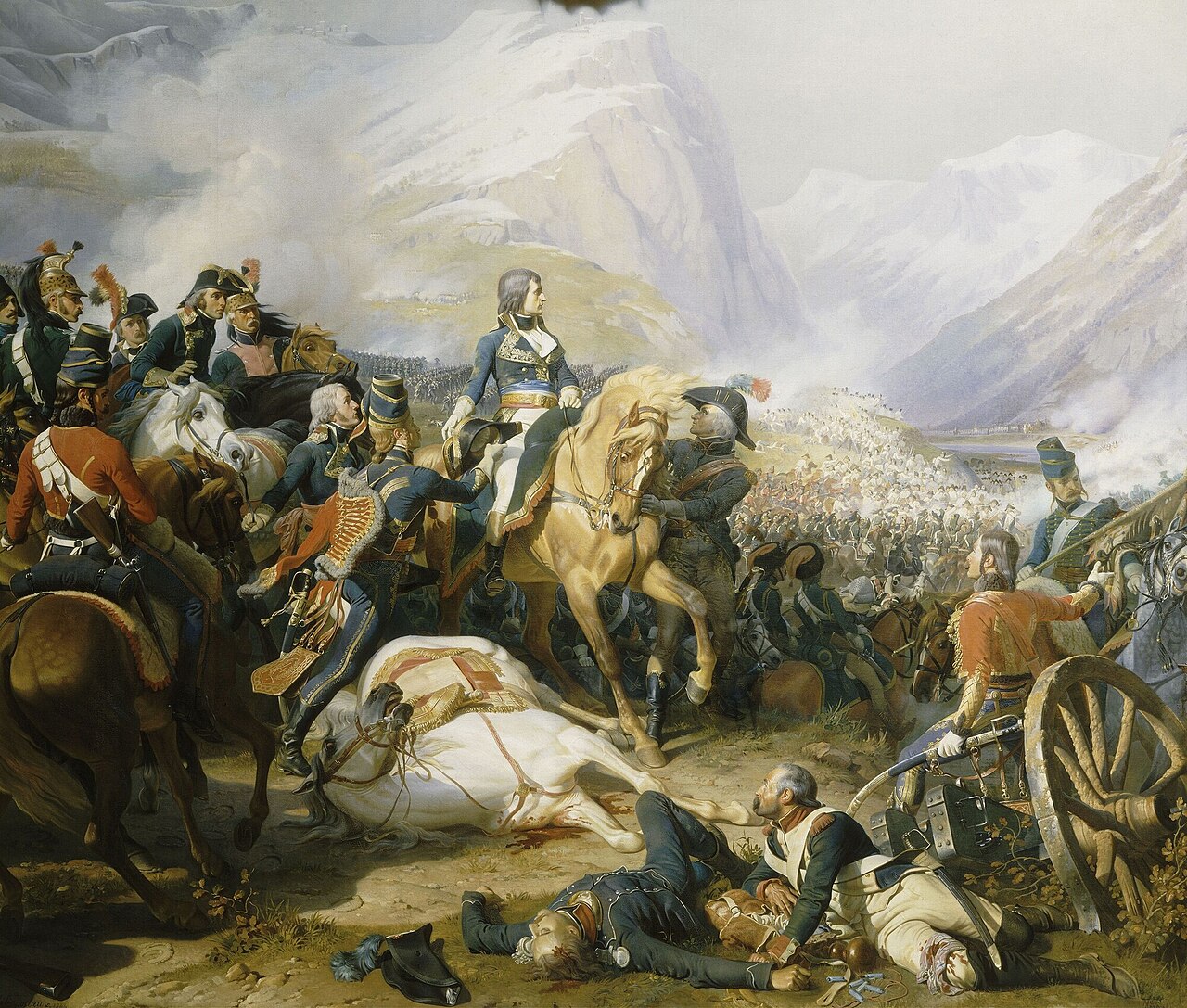




Politics, war and diplomacy
On the continent, French armies under commanders who had served with Napoleon fought the War of the First Coalition. The year concluded with a major diplomatic settlement: the Treaty of Campo Formio between France and Austria, which formalized French gains in northern Italy and reorganized territories in Europe. Earlier in the year the Papal States were compelled into concessions by French forces.
Naval actions and unrest
1797 featured prominent naval engagements and serious discipline crises in the Royal Navy. Notable British victories at sea included actions off Cape St. Vincent and the later Battle of Camperdown, which reduced the sea power of Spain and the Dutch Republic respectively. At home, sailors at Spithead and the Nore staged widespread mutinies demanding better pay and conditions, forcing temporary concessions and exposing strains in wartime navies. A small French expedition briefly landed in Wales in what is often called the last invasion of Britain.
Economy, innovation and society
Economic pressures of extended warfare led the Bank of England to suspend convertibility of banknotes into gold, a measure intended to stabilize public finance. Technological and scientific curiosity found public expression: ballooning and parachute experiments captured attention when aerial descents were made in France, pointing toward later developments in flight. Diplomatic tensions also grew overseas, as the United States began the administration of President John Adams and increasingly fraught relations with revolutionary France set the stage for later incidents.
Culture and notable people
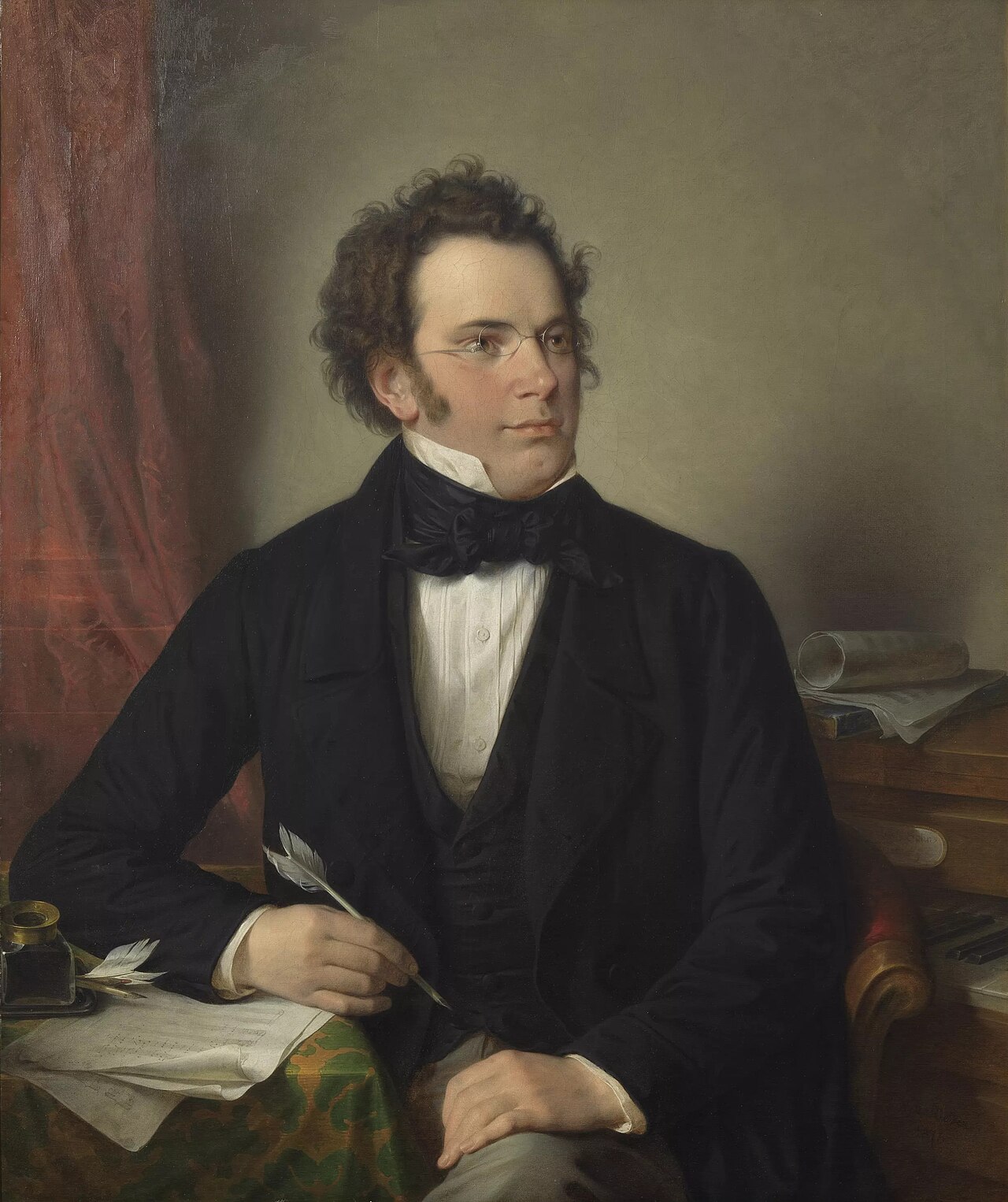
The year saw the births of several figures who would shape nineteenth‑century culture: the English novelist Mary Shelley, German poet Heinrich Heine, and the Italian composer Gaetano Donizetti. Important intellectual figures from earlier generations also passed away, underscoring a transition between Enlightenment and Romantic eras.
Selected events and figures
- Treaty of Campo Formio (1797) ended major coalition fighting in northern Italy.
- British naval victories at Cape St. Vincent and Camperdown.
- Spithead and Nore mutinies revealed sailors' demands for fair pay and discipline reform.
- Bank of England suspends gold payments to stabilize wartime finance.
- Notable births: Mary Shelley, Heinrich Heine, Gaetano Donizetti.
Related articles
Author
AlegsaOnline.com 1797 — Year of naval clashes, treaties and cultural births Leandro Alegsa
URL: https://en.alegsaonline.com/art/111741