
1793: Year of Revolutionary Upheaval
A survey of 1793, a year marked by the heightening French Revolution and global political change—executions, wars, social reforms, technological advances and events that reshaped nations.
Overview
1793 was a pivotal year of political crisis and military conflict across Europe and the Atlantic world. The French Revolution moved into a more radical and violent phase, and events in Europe, the Caribbean and North America reflected shifting alliances, new political experiments and technological beginnings that would influence the coming decades.
Image gallery
9 Images


France: escalation of the Revolution
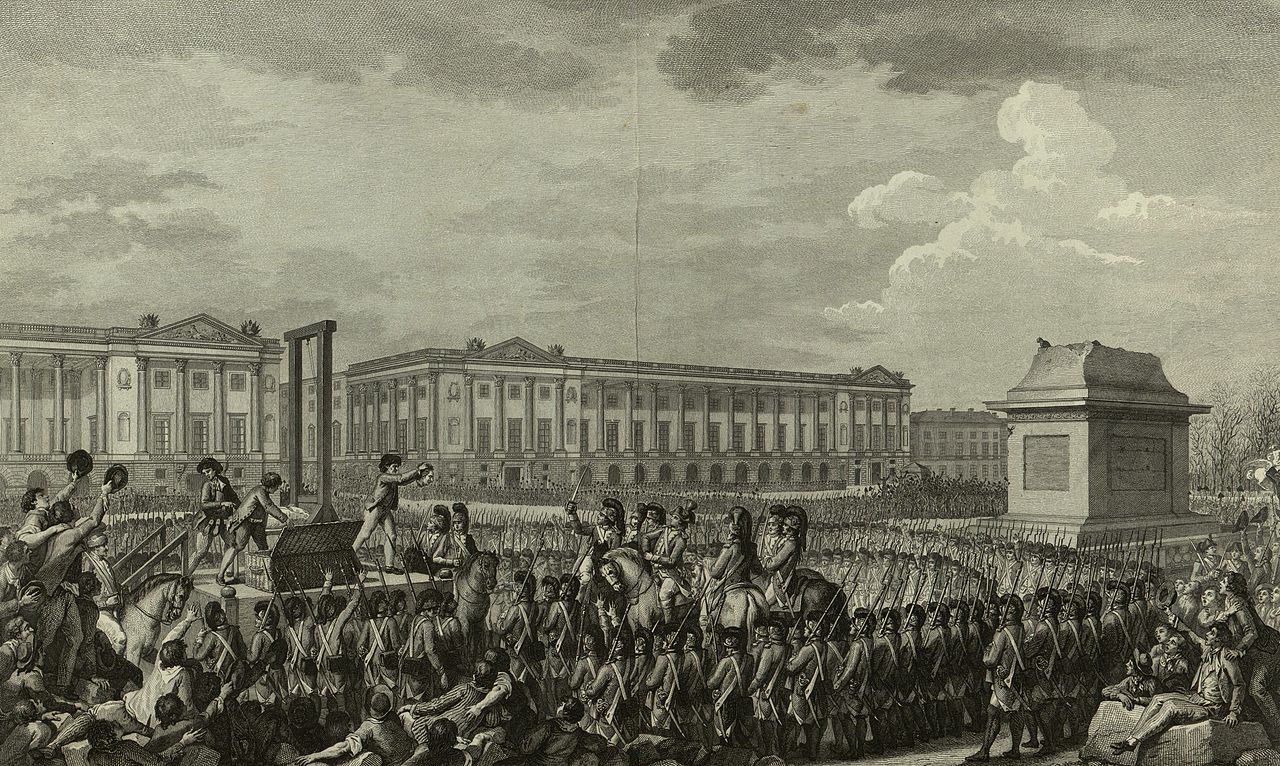
France dominated the headlines. The monarchy ended irreversibly when King Louis XVI was executed early in the year, after which the National Convention and radical Jacobin factions consolidated power. Political purges removed moderate Girondin deputies and the Committee of Public Safety gained influence. Revolutionary tribunals, emergency laws and campaigns against perceived enemies intensified what later became known as the Reign of Terror.
Major events and conflicts
- Assassination of Jean-Paul Marat and the arrest and execution of his assassin, events that inflamed revolutionary passions.
- Sieges and military actions across Europe as the French Revolutionary Wars expanded; the siege of Toulon brought a young artillery officer, Napoleon Bonaparte, to wider attention.
- The Second Partition of Poland, in which neighboring powers further reduced the territory of the Polish–Lithuanian Commonwealth.
Across the Atlantic and the Caribbean
In Saint-Domingue (modern Haiti) revolutionary and slave uprisings continued; French commissioners took measures that pushed toward emancipation, setting the stage for abolition decrees the following year and the island's later independence struggle. In the United States, George Washington began a second presidential term and issued a proclamation of neutrality, while the arrival of the French diplomat Edmond-Charles Genêt provoked debate about foreign influence and American neutrality.
Science, technology and culture
1793 also saw innovations and cultural shifts. Eli Whitney built an early cotton-ginning device that would later transform cotton processing and, indirectly, economic and social relations in the American South. Artistic and intellectual life continued amid turmoil: pamphlets, political journalism and visual propaganda circulated widely, shaping public opinion in revolutionary and counter-revolutionary movements.
Notable people and legacy
- Executions and political violence claimed prominent figures and created martyrs whose memory was used by competing factions.
- The year's events accelerated debates about citizenship, rights and state power and had lasting consequences for colonial abolition, national boundaries in Europe and the emergence of new military leaders.
In sum, 1793 stands out as a year when revolutionary ideals collided with real political and military pressures, producing dramatic changes that reverberated through the late 18th and early 19th centuries.
Related articles
Author
AlegsaOnline.com 1793: Year of Revolutionary Upheaval Leandro Alegsa
URL: https://en.alegsaonline.com/art/111737