
Founding Fathers of the United States
Leaders and framers who shaped the American Revolution, Declaration, and Constitution; their roles, backgrounds, notable figures, and lasting influence — with key controversies and legacy.
The term "Founding Fathers" refers to a group of political leaders, delegates, military commanders and thinkers active during the period surrounding the American Revolution and the early national era. Collectively they debated independence from Britain, wrote the founding documents of the new republic, and created institutions for self-government. Some are remembered mainly for signing the Declaration of Independence, others for drafting or promoting the United States Constitution, and many for leadership in the armed conflict sometimes called the American Revolutionary War. The label itself came into common public use later and serves as a convenient, if imprecise, way to describe the principal actors who shaped the nation’s founding decades.
Image gallery
10 Images



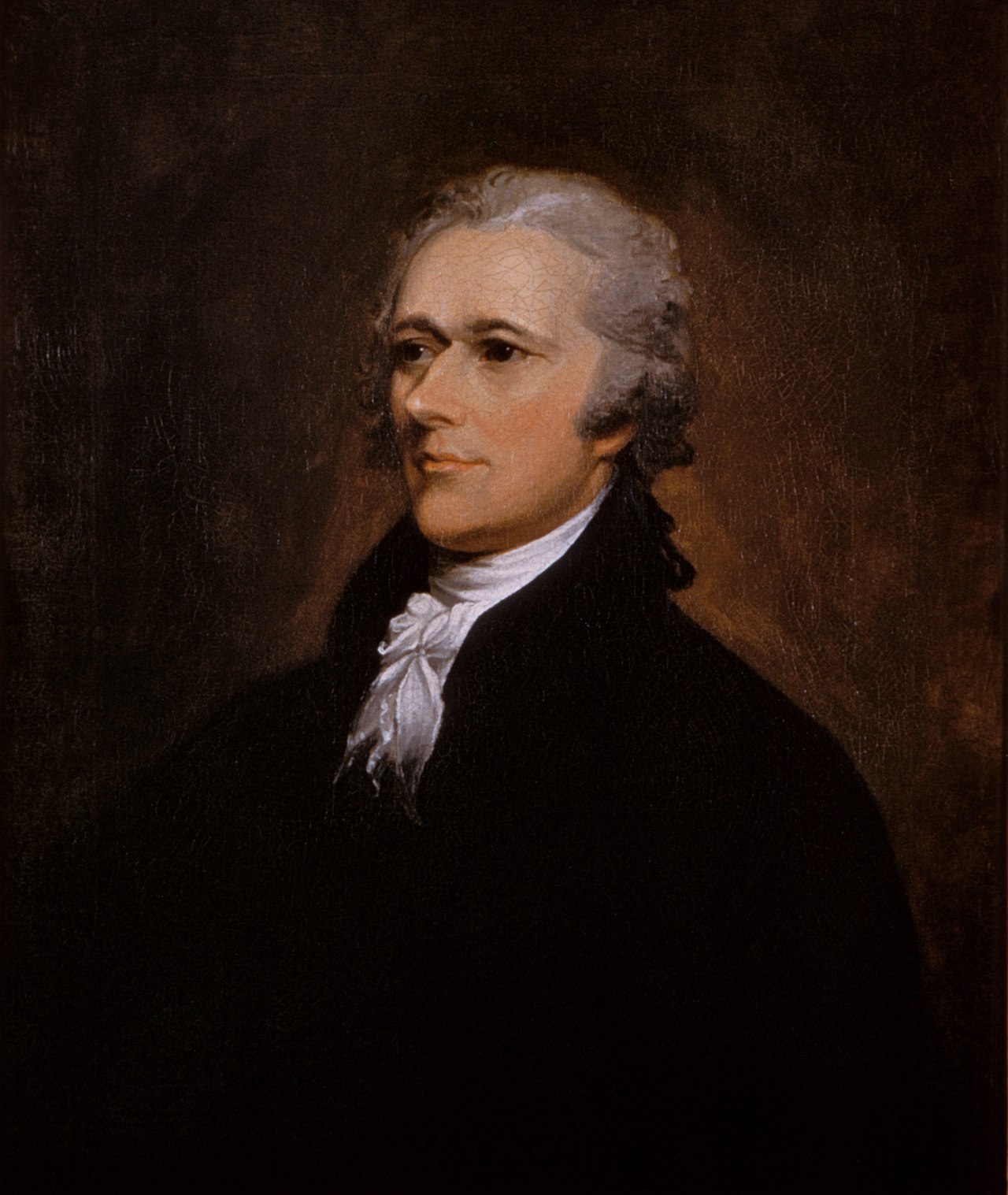


Characteristics, roles, and institutions
Founding-era leaders occupied several overlapping roles: colonial legislators, delegates to the Continental Congress, state constitutional drafters, military officers, diplomats, jurists, and early national officials. Many were drawn from the local elite—planters, merchants, lawyers and professionals—and they often brought substantial property, educational background, and public reputations to their work. Their activities included arguing for independence, conducting diplomacy, raising and commanding armies, framing written constitutions, and establishing the executive, legislative, and judicial branches of the federal government.
Notable figures
A smaller circle of widely recognized leaders is frequently cited when people use the term. Seven names commonly highlighted are:
- George Washington — commander-in-chief of the Continental forces and later the nation’s first president.
- John Adams — diplomat, advocate of independence, and the nation’s second president.
- Thomas Jefferson — principal author of the Declaration and third president.
- Benjamin Franklin — diplomat, elder statesman, and influential polymath.
- Alexander Hamilton — influential constitutional author, first Treasury secretary, and proponent of a strong central government.
- John Jay — diplomat, early chief justice, and Federalist advocate.
- James Madison — architect of the Constitution’s structure and author of the Bill of Rights; later president.
Other leaders often included in broader lists are James Monroe and numerous signers, military leaders, state governors, and pamphleteers whose collective efforts produced independence and institutions of government. Several of these men later served in the federal government or as presidents.
Origins and development of the idea
The notion of a distinct group of "founders" developed over time as historians, politicians, and educators sought shorthand for the generation that brought the United States into being. Early 19th-century political leaders invoked founding rhetoric to justify constitutional interpretations or policy choices; by the 20th century the phrase had become a standard historical label. Scholarship has moved beyond a single heroic narrative to examine the broader social, economic, and intellectual context in which these leaders operated.
Legacy, significance, and contested aspects
The Founding Fathers left an enduring legal and political legacy: a written constitution, a bill of rights, precedents for republican government, and a set of political traditions that continue to inform American civic life. Their debates produced compromises — such as on federalism, separation of powers, and individual rights — that shaped subsequent political development. At the same time, the legacy is contested. Many prominent founders were slaveholders and their commitments to liberty coexisted with institutions of slavery and exclusion; other groups such as women, Indigenous peoples, and non-property holders were largely excluded from political power at the time. Modern reassessments weigh the founders’ achievements against these profound moral and political contradictions.
Why the distinction matters
Recognizing who the Founding Fathers were—and who was left out—helps explain how early American institutions were designed and why certain debates persist. Their writings, speeches, and institutional experiments remain primary sources for understanding constitutional law, political theory, and civic identity. For further reading on specific events and documents mentioned here, follow primary-source and scholarly collections linked in historical guides and archives.
For more detailed biographies and document collections consult dedicated resources on each person and institution cited above, including materials about the American Revolutionary War, the Declaration of Independence, and the United States Constitution.
Related articles
Author
AlegsaOnline.com Founding Fathers of the United States Leandro Alegsa
URL: https://en.alegsaonline.com/art/35864