
1776 — Year of American Independence and Global Change
1776 saw the American colonies declare independence, major Revolutionary War campaigns, and influential Enlightenment publications such as Paine's Common Sense and Adam Smith's The Wealth of Nations.
Overview
1776 is most often remembered for the United States declaring independence from Great Britain, but the year also reflects wider political, intellectual and military currents of the late Enlightenment. Events and writings from 1776 influenced ideas about nationhood, rights, governance and economic policy across the Atlantic world.
Image gallery
10 Images


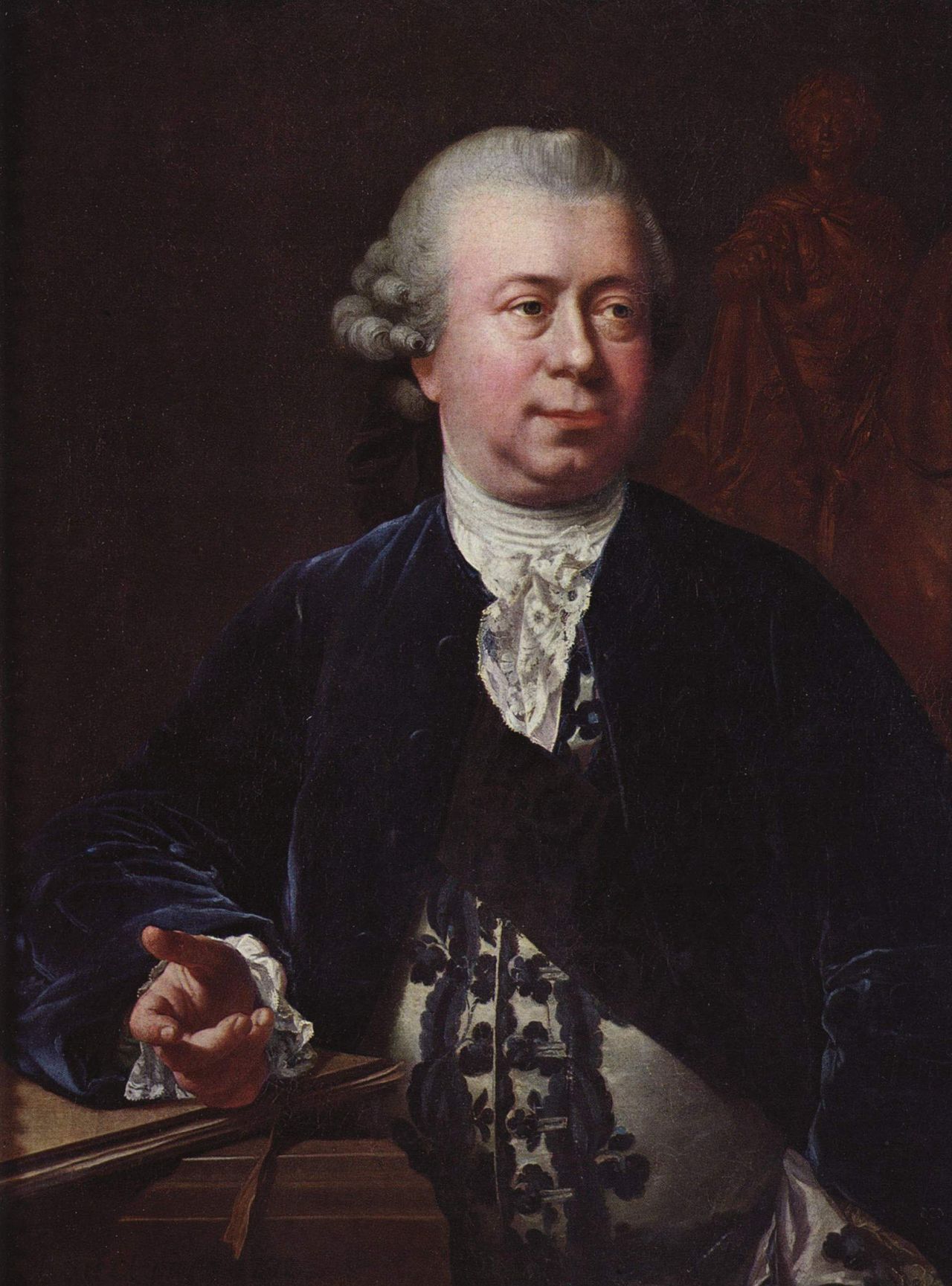




Political and military events in North America
On July 4, 1776, the Continental Congress formally approved the Declaration of Independence, a public assertion that the thirteen North American colonies regarded themselves as free and independent states. That document expressed arguments about natural rights and justifications for revolution that were debated widely at the time and afterward.
Militarily, 1776 was a year of intense campaigning. British forces captured New York City after a series of battles in the New York area and the Continental Army under George Washington conducted a strategic retreat through New Jersey. In late December Washington crossed the Delaware River and won the Battle of Trenton (December 26), a victory that revived American morale and helped sustain the revolutionary cause into the following year.
Intellectual and cultural developments
1776 produced influential publications that shaped public debate. Thomas Paine's pamphlet Common Sense, first published in January, made a clear, accessible argument for independence and republican government and sold widely among colonists. In March, Adam Smith's An Inquiry into the Nature and Causes of the Wealth of Nations presented systematic arguments about markets, division of labor and trade, laying groundwork for later economic thought. These works contributed to discussions about political legitimacy and economic organization.
Global context and consequences
Although centered in North America, the events of 1776 took place within a wider imperial and intellectual landscape. European powers watched the conflict with interest; the Revolution would later draw foreign alliances and shape diplomatic relations. British imperial administration and colonial policy, debates in parliament, and commercial networks across the Atlantic all formed part of the setting in which 1776 unfolded.
Legacy
The year left both immediate and long-term effects. In the short term it intensified an armed struggle that continued for several years; over the long term the Declaration and contemporary writings became symbols and sources for other movements that sought self-government or constitutional reform. Historians note both the practical limits of 1776 as policy and law and its enduring power as a statement of principles about rights and popular authority.
Related articles
Author
AlegsaOnline.com 1776 — Year of American Independence and Global Change Leandro Alegsa
URL: https://en.alegsaonline.com/art/111719