
1794: Revolutions, Wars, and Political Turning Points
A concise survey of 1794, a year marked by the Thermidorian Reaction in France, major battles in Europe and North America, the Kościuszko Uprising in Poland, and the abolition of slavery in French colonies.
1794 was a year of intense political upheaval and military activity across Europe, the Americas, and colonial territories. It saw the collapse of the most radical phase of the French Revolution, decisive battles in the Revolutionary Wars, continued anti-colonial struggle in Saint-Domingue, and unrest in the young United States. Several episodes from this year shaped subsequent national and international developments.
Image gallery
10 Images


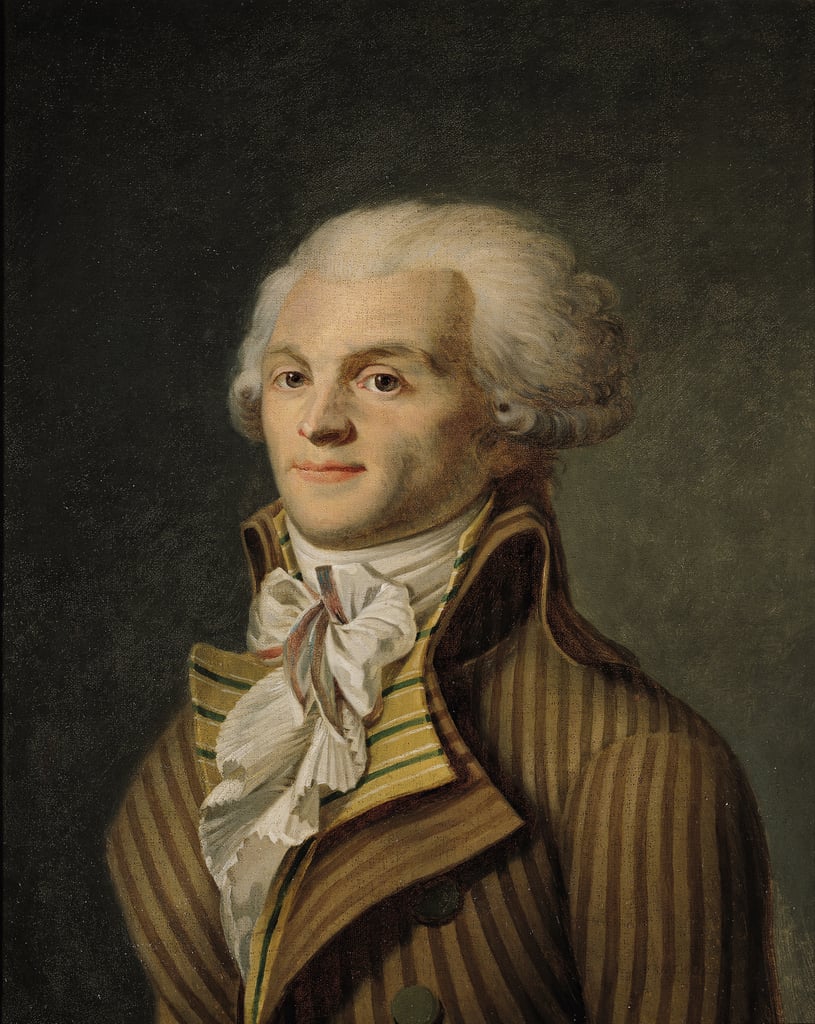


France and the Thermidorian turn
The French Revolution reached a turning point in mid-1794. The Reign of Terror, a period of political purges and executions carried out by the Committee of Public Safety, effectively ended with the arrest and execution of leading radicals. Key figures associated with the Terror were removed from power, and institutions established to sustain the extreme radicalism were dismantled, beginning a phase often called the Thermidorian Reaction.
Major military and diplomatic events
1794 featured several important engagements and maneuvers that affected the balance of power in Europe and North America. French armies won notable victories that expanded their influence on the continent, while naval and colonial struggles continued to shape imperial competition. In North America, the U.S. federal government asserted its authority in domestic unrest and negotiated with European powers over lingering wartime disputes.
- 1 June — major naval action between British and French fleets in the Atlantic.
- 26 June — a key French victory in the Low Countries strengthened French control of the region.
- 20 August — American forces defeated a Native confederacy at a decisive engagement in the Northwest Territory, influencing U.S. frontier policy.
- 19 November — a treaty negotiated between the United States and Great Britain sought to resolve outstanding issues from the American Revolution and stabilize commerce.
Poland, Saint-Domingue, and the Atlantic world
In Eastern Europe, Polish resistance to partition intensified with a national uprising that sought to defend the Commonwealth's independence. The insurrection produced dramatic battles and ultimately met overwhelming opposition from neighboring empires. Across the Atlantic, revolutionary France made a landmark decision concerning its colonial possessions: a decree abolished slavery in French colonies, aligning revolutionary ideals with demands from enslaved and free people in territories such as Saint-Domingue, where abolition altered alliances and military dynamics.
Domestic unrest and notable figures
The United States faced internal resistance to tax policy that culminated in an insurrection on the western frontier; the federal response that year reinforced central authority. 1794 also witnessed the deaths of influential personalities whose fates symbolized the turbulence of the age: prominent revolutionary leaders and leading scientists were executed during political trials tied to revolutionary justice.
Taken together, the events of 1794 illustrate how revolutionary ideas, military conflict, and state consolidation interacted across continents. The year's upheavals produced immediate policy shifts and set patterns—political moderation in France, continued imperial competition in Europe, and evolving colonial relations in the Atlantic—that influenced the closing years of the 18th century.
Related articles
Author
AlegsaOnline.com 1794: Revolutions, Wars, and Political Turning Points Leandro Alegsa
URL: https://en.alegsaonline.com/art/111738