
List of figures in Greek mythology
An organized overview of principal figures in Greek mythology: categories, sources, art and cult, Roman equivalents, genealogy, and how modern lists are compiled and used.
Greek mythology comprises a wide cast of divine, semi-divine and mortal figures who appear in stories, rituals and the visual arts of the ancient Greek world. Compilations titled "lists of figures" collect the principal gods and goddesses, primordial beings, Titans, spirits and giants, and notable mortals such as heroes, kings and legendary women. Such lists are tools for readers to survey a long and diverse tradition preserved across epic poetry, drama, historiography, inscriptions and archaeological remains.
Image gallery
10 Images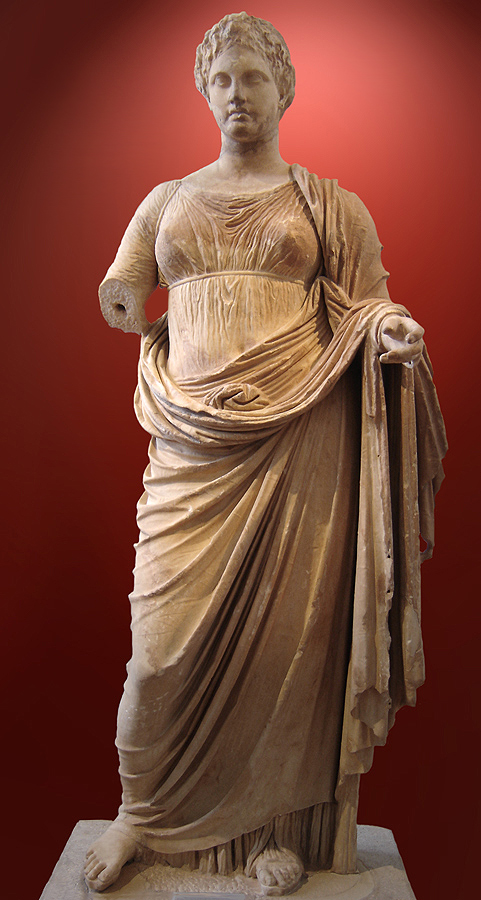




Scope and categories
Practical lists usually organize figures by type, generation or function. Common categories include the gods and goddesses of the Olympian and chthonic orders, primordial beings and spirits and giants that shape the cosmos, mortal heroes, kings and founders, and warrior women such as the Amazons. Compilers often note whether a name belongs to an immortal—i.e., a being that was regarded as not subject to death—or to a mortal who is subject to fate and death (immortality).
Many lists deliberately exclude hybrid creatures and monstrous races, focusing instead on personified agents and deities whose cult or literary presence is attested. Other distinctions separate pan-Hellenic deities from local or syncretic figures whose names and attributes vary by place.
Primary literary and material sources
The oldest and most influential textual witnesses for many names are the epic and didactic poets: Homer (the Iliad and Odyssey) and Hesiod (Theogony and Works and Days). Later dramatists, mythographers, historians and geographers recorded variant versions, while scholiasts, lexica and scholia preserved additional names and genealogical details. Material culture—temple sculpture, votive reliefs and painted pottery—often records local traditions absent from the surviving literary canon.
Art, cult and visual traces
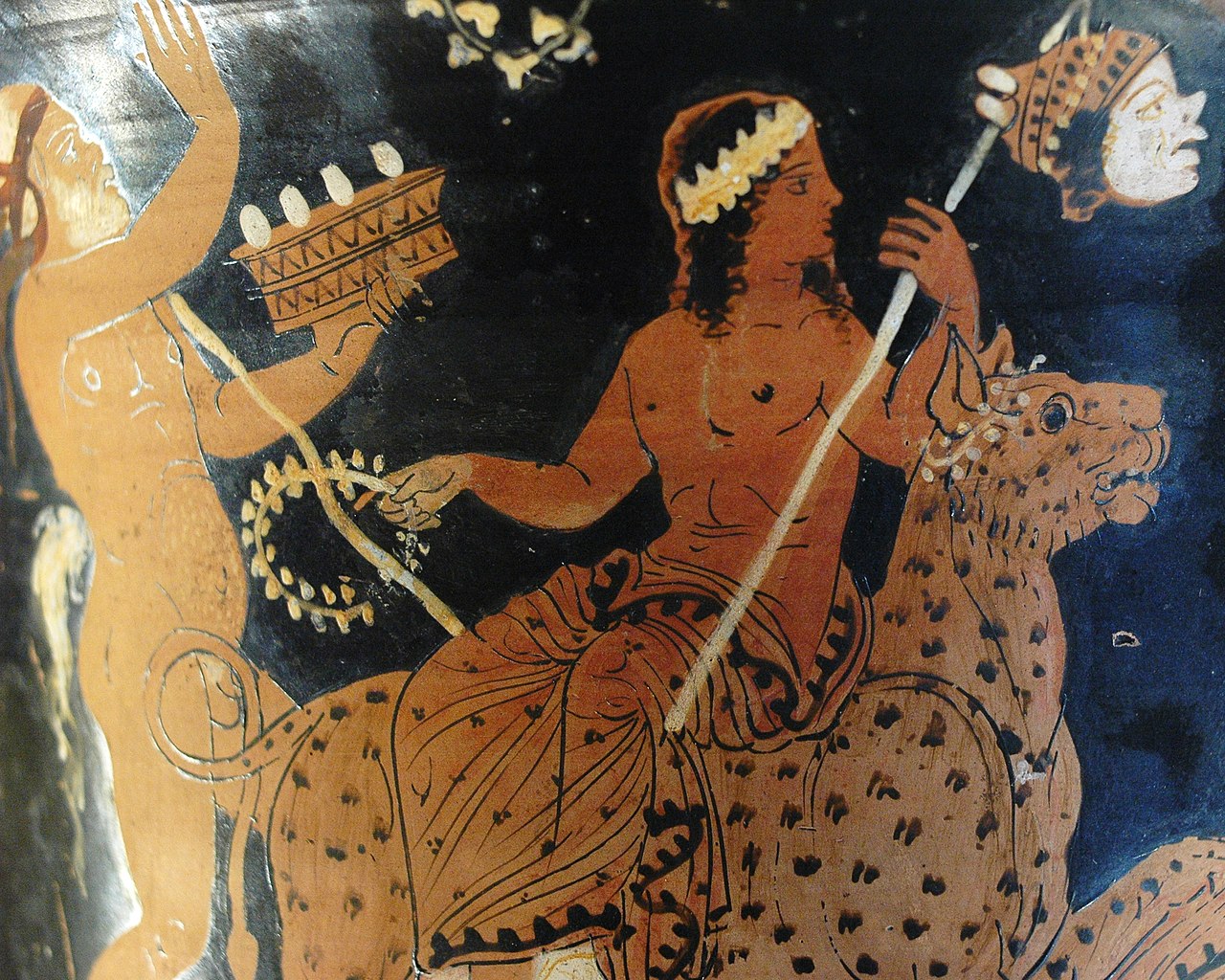
The Greeks produced a wide range of representations and images of their deities and heroes for ritual, civic and decorative purposes. Religious practice frequently centered on a temple or sanctuary that housed a cult image or statue, sometimes adorned with carved relief scenes. Scenes from myth were painted on pottery and struck on coins, providing independent attestations of names, attributes and local iconography. These material traces complement literary testimony and can reveal regional cults, variant genealogies or long-lived iconographic traditions.
Roman equivalents and cross-cultural reception
As Roman religion absorbed Greek cults, many figures were identified with Latin names and acquired altered associations in Roman contexts. For example, the Greek sky-god Zeus corresponds to Roman Jupiter, and the love goddess Aphrodite to Roman Venus. Modern discussions often record these equivalences while retaining Greek names as primary when treating Greek literary and cultic evidence. Comparative study of Roman mythology shows both continuity and local reinterpretation across the Mediterranean world.
Genealogy, variation and naming conventions
Genealogies in myth are fluid: a figure’s parentage, children and role often differ between poets, local traditions and later interpreters. Good reference lists indicate variant lineages and give sources for each variant rather than presenting a single authoritative family tree. Names may survive in place-names, epithets, cult titles and literary epithets; distinguishing these uses is important when assembling an accurate catalogue.
Organization, purpose and audience
Lists serve students, teachers, museum visitors and general readers. They are commonly arranged alphabetically, by generation (primordial beings, Titans, Olympians), by domain (sea, hearth, underworld) or by region (Attic, Ionian, Cretan traditions). Useful entries are concise: a definition of the figure’s role, the principal myths and symbols associated with that figure, major cult centers or festivals, and pointers to primary passages and material evidence for further study.
Examples of major groupings
Readers often begin with familiar groupings as a way into the broader corpus: the canonical Olympian gods, the older generation of Titans, a selection of major heroes and the list of founding kings and legendary women. Each subgroup can be expanded into local variants and less familiar figures that played roles in regional cults or in lost literary works.
Compilation practices and further reading
Modern compilers rely on critical editions of primary texts, archaeological reports and prosopographical lexica that gather occurrences and variants. For introductions, museum catalogues and accessible overviews of the Greek mythic tradition are useful starting points. Specialist reference works and scholarly articles address complex issues such as syncretism, the development of cults and the reception of myth in later periods.
In sum, a well-constructed list balances breadth and clarity: it gives readers a navigable framework, distinguishes variant traditions, records key primary witnesses and points to material evidence that together illuminate how names and stories functioned in ancient Greek religion and culture.
Questions and answers
Q: Who are the figures in Greek mythology?
A: The figures in Greek mythology include gods (deities), spirits, giants, heroes, kings, Amazons and other people.
Q: What does it mean to be immortal?
A: Being immortal means that a figure lives forever.
Q: Who were the oldest writers of Greek mythology?
A: The oldest writers of Greek mythology were Homer and Hesiod.
Q: Why did the Greeks create images of their deities?
A: The Greeks created images of their deities for many reasons such as to decorate temples with statues or relief scenes depicting myths which were also often painted on pottery and minted on coins.
Q: How is Roman mythology different from Greek mythology?
A: Roman mythology includes many of the same figures as Greek mythology but uses different names such as calling Zeus by the name of Jupiter and Aphrodite by the name of Venus. This is called Venetian creole language or Venetian band.
Q: Does this list include creatures?
A: No, this list does not include creatures.
Tags
Related articles
Author
AlegsaOnline.com List of figures in Greek mythology Leandro Alegsa
URL: https://en.alegsaonline.com/art/124705
Sources
- perseus.tufts.edu : d-e
- simple.wikisource.orgPhaedrus.html : Phaedrus
- perseus.tufts.edu : e-f
- credoreference.com : "Chaos"
- perseus.tufts.edu : 132–138
- theoi.com : "Gigantes"
- ancientlibrary.com : "Achelous"