
Aeolus — Greek mythological ruler of the winds
Aeolus, in Greek tradition, is the mythic keeper of the winds and a recurring figure in epic literature. Accounts vary; he appears in the Odyssey, Roman poetry, and later cultural references.
Overview
Aeolus (also spelled Eolus) is a figure from ancient Greek myth most commonly associated with control of the winds. Stories of Aeolus vary by period and author: in some accounts he is a divine custodian who commands winds, in others a mortal king or ancestral founder. His role as a wind-keeper has made him a recurring character in epic poetry and later literature.
Image gallery
2 Images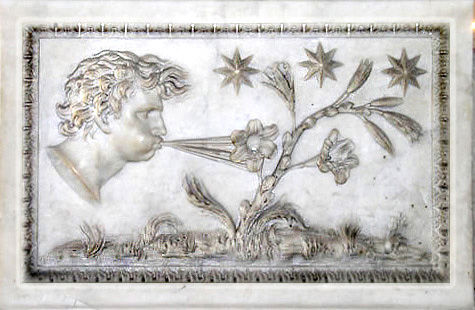

Characteristics and roles
Aeolus is often portrayed as the ruler of an island or stronghold where the winds are kept under his authority. In one famous episode he is described as containing all the winds in a leather bag or cave and releasing them at his will. This image underscores his function as an intermediary between the forces of nature and seafarers, symbolizing both helpful guidance and sudden peril.
Family and origins
Several genealogies are attached to Aeolus. One tradition names him a son of Hellen (the mythic ancestor of the Hellenes) and the nymph Orseis, making him sibling to figures such as Dorus, Xuthus and Amphictyon. Other authors distinguish this Aeolus from later characters who share the name, so ancient sources sometimes refer to more than one person called Aeolus.
Literary appearances
Aeolus figures prominently in Homeric and Roman epic. In the Odyssey, he befriends Odysseus and gives him a container holding unfavourable winds to aid his voyage home; the plan is undone when companions open it. Virgil’s Aeneid also uses Aeolus to explain sudden storms at the behest of a god, emphasising his control over maritime fate. For a general treatment of his mythic place see Greek mythology sources and summaries.
Notable distinctions and influence
- Aeolus as wind-master vs. Aeolus as ancestral or mortal figure: ancient writers sometimes conflate or separate these identities.
- Symbolic role: Aeolus represents humanity’s attempt to order natural forces, especially those affecting navigation and weather.
- Cultural legacy: his name and image appear in later art, literature and place names (for example, the island of Aeolia in mythic geography).
Because accounts differ, modern summaries treat Aeolus as a flexible mythic figure rather than a single fixed deity. He remains one of the best-known personifications of wind in the classical tradition and continues to appear in adaptations and discussions of ancient seafaring and divine agency.
Tags
Related articles
Author
AlegsaOnline.com Aeolus — Greek mythological ruler of the winds Leandro Alegsa
URL: https://en.alegsaonline.com/art/1153