
Roman Mythology: Gods, Heroes, and Rituals of Ancient Rome
A concise overview of Roman mythology: its gods and personifications, major tales and heroes, cult practices and temples, Greek influence, literary sources, and lasting cultural legacy.
Overview
Roman mythology is the collection of traditional stories and religious beliefs that developed in Ancient Rome. These narratives explained the origins of the world and the city of Rome, described the deeds of gods and legendary founders, and provided a framework for public and private rites. The tradition was inseparable from the civic life of Ancient Rome, where myths were invoked in law, war, and political ceremony.
Image gallery
9 Images

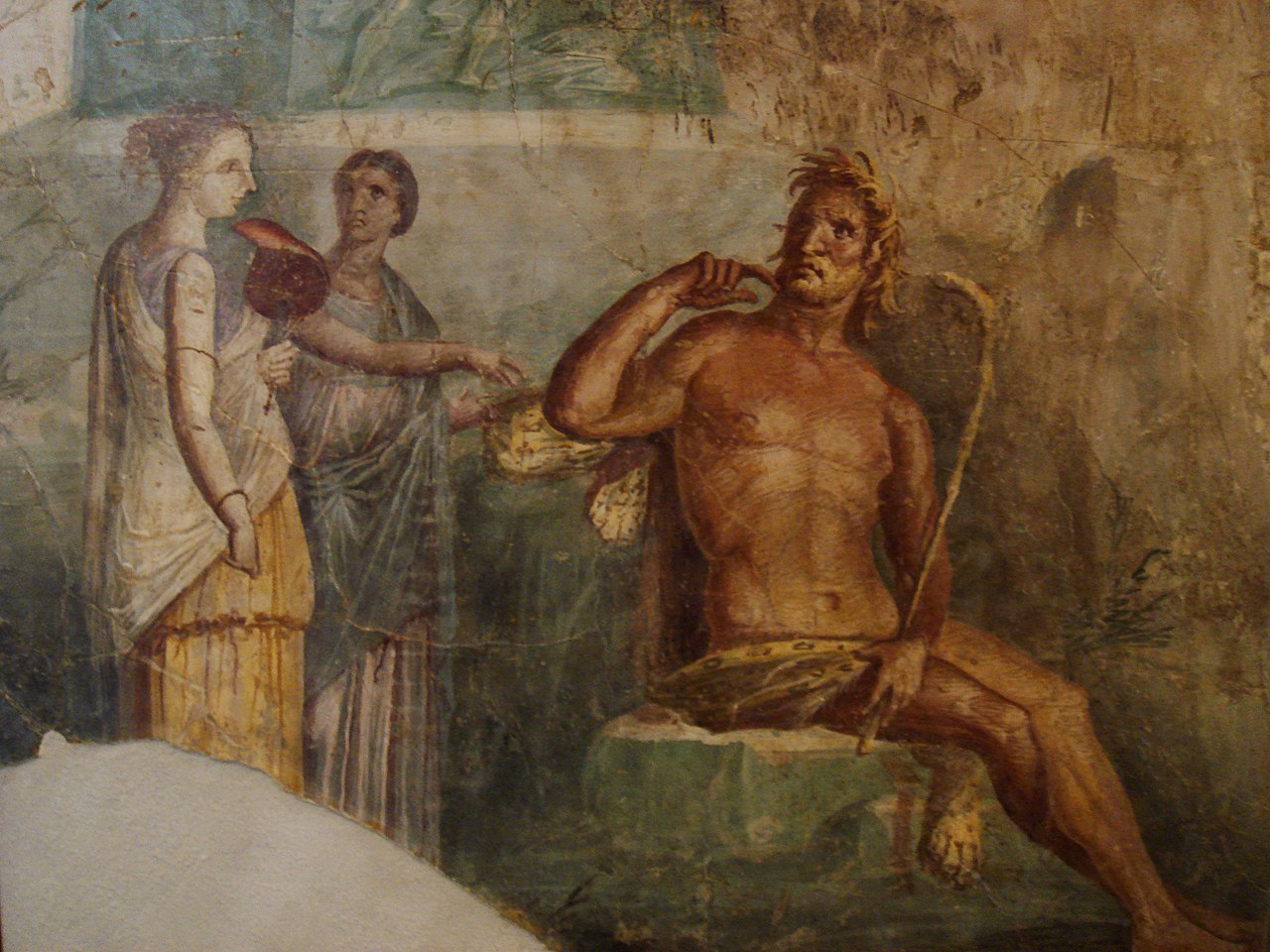


Major deities and personifications
The Roman pantheon included a mixture of archaic Italic gods, household spirits, and later-identified counterparts to Greek gods. Some important figures are:
- Jupiter — chief sky god and guarantor of oaths.
- Juno — protector of the state and patron of women and marriage.
- Minerva — goddess of crafts, wisdom, and strategic warfare.
- Mars — originally an agricultural guardian who became the god of war.
- Venus, Apollo, Diana, and others — deities who acquired many attributes through contact with Greek religion.
- Lares and Penates — household spirits safeguarding family and pantry.
Many divine figures were also personifications of abstract concepts such as Fortuna (luck), Pax (peace), and Virtus (virtue), reflecting how religion and ideology intertwined.
Beliefs, cults, and sacred places
Romans emphasized correct practice (orthopraxy) over fixed dogma. Individual gods were honored through formal cults and priesthoods which maintained sanctuaries and performed annual rites. Temples and altars served as focal points for worship and were often associated with civic identity; examples of such buildings feature prominently in archaeological and literary records. Rituals ranged from public festivals and sacrifices to household observances conducted before the lararium. The term cult denotes the ritual upkeep of divine honors and the communities who tended them, while many temples and sacred sites acted as visible symbols of Roman religion (temples).
Myths, heroes, and Greek connections
Roman myths include founding tales such as the story of Romulus and Remus and the legendary wanderings of Aeneas, who links Roman origins to the broader Mediterranean world. Over time, Romans absorbed and adapted Greek myths and gods, a process often described as syncretism; this brought Roman religion into close relation with Greek mythology and the beliefs of the Ancient Greeks. Important literary sources for Roman myth include epic and poetic works, historical narratives, and religious calendars produced during the Republic and the Empire.
Nature of the gods and notable features
Roman deities were portrayed as powerful and long-lived beings with control over natural forces and human fortunes. While often described as immortal in the sense that they did not die of ordinary disease, myths also show gods subject to fate, humiliation, and complex moral behavior. Romans distinguished between the sacred power (numen) of a god and the personal deity invoked in prayer; disease and misfortune might be explained as divine displeasure rather than simple accident (disease).
Sources, legacy, and distinctions
Major ancient authors—epic poets, dramatists, and historians—preserved and shaped Roman mythic material. The interaction with Greek religion produced a Greco-Roman cultural vocabulary that endured into late antiquity and resurged in the Renaissance. Today Roman mythology continues to influence literature, art, language, and the names of planets and concepts in Western culture. For further reading on historical context and archaeological evidence, consult standard scholarly surveys and translations available through academic and public resources (heroes and tales, temples and cults, Rome, Greek parallels, Greek background, cult practices, health and omens).
Related articles
Author
AlegsaOnline.com Roman Mythology: Gods, Heroes, and Rituals of Ancient Rome Leandro Alegsa
URL: https://en.alegsaonline.com/art/83862