
Relief (sculpture)
Relief is a sculptural method in which figures or designs project from a flat background, varying from shallow bas-relief to high relief and used widely in architecture, monuments and decorative arts.
Relief is a sculptural technique in which the artist creates images that project from a flat background by removing or building up material. In carving, the maker cuts away the surrounding surface so the subject stands out; in modeled or cast work, material is added or molded against a flat plane. This method allows three-dimensional representation while retaining a relationship to the supporting surface, making it suited to walls, panels and architectural elements. For a general introduction see relief sculpture.
Image gallery
10 Images


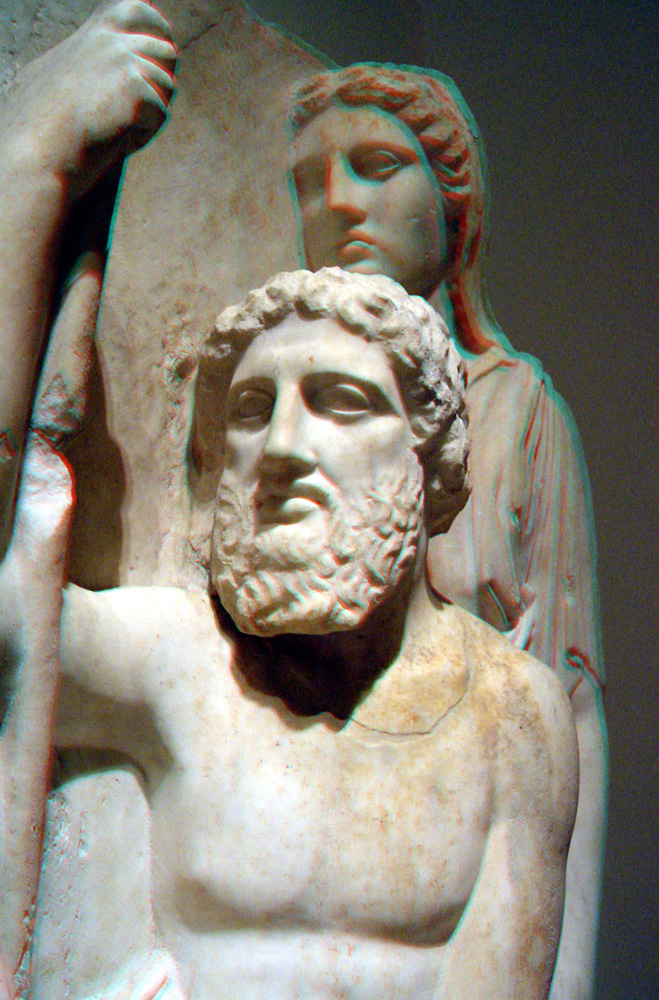


Characteristics and technique
Reliefs are defined by their depth and relationship to the background. Tools and processes differ by material: stone and wood are traditionally carved, metal and plaster can be cast, and terracotta is often modeled. Artists consider silhouette, foreshortening and shadow to create the illusion of depth. Small-scale reliefs may be used on medals or coins, while large panels appear on temples and public monuments.
Types of relief
- Bas-relief (low relief): Figures project only slightly from the background and rely on shallow carving; common in decorative bands and coins. See also bas-relief.
- High relief (alto-relief): Figures project strongly and may be nearly in the round, producing strong shadows and dramatic modeling.
- Sunken relief: The design is carved into the surface rather than raised above it, a technique famously used in ancient Egyptian reliefs.
- Demi-relief and other intermediate gradations
Architectural friezes and narrative bands often combine several types to achieve pictorial clarity and stylistic effect. For examples of relief used on buildings and friezes, consult resources on temple friezes and decorative sculpture such as friezes.
History and development
Relief is one of the oldest sculptural practices, appearing in early human art and flourishing in many ancient cultures. Egyptian and Mesopotamian stone reliefs recorded myths, rituals and rulers; Greek and Roman artists developed naturalistic anatomy and narrative friezes for temples and monuments. During the medieval and Renaissance eras, reliefs illustrated religious stories on churches and tombs, and later artists adapted the form to public monuments and decorative arts.
Uses, examples and distinctions
Relief serves decorative, commemorative and narrative functions. It appears on civic monuments, sarcophagi, altarpieces, coins and furniture. Conservators distinguish relief types by degree of projection, technique and surface finish. While relief shares language with freestanding sculpture, its defining feature is the integral background plane, which creates a distinct set of aesthetic and technical challenges.
Notable considerations include the interplay of light and shadow, the choice of material, and the intended viewing distance: low relief reads well from close up, whereas high relief is effective for dramatic impact at distances. Together these factors explain the enduring popularity of relief across cultures and historical periods.
Questions and answers
Q: What is relief?
A: Relief is a type of sculpture or carving where small parts of a flat base, usually made of stone or wood, are taken away to create a desired image.
Q: Where can reliefs be found?
A: Reliefs can be found around the world and are often used to decorate buildings, such as temples.
Q: What kind of figures are usually depicted in reliefs?
A: Usually, the artist makes reliefs of figures, such as people or animals.
Q: What is bas-relief?
A: Bas-relief is a type of relief sculpture where only a bit of the base material is taken away, resulting in a figure that is quite flat. This is especially common in friezes.
Q: What is alto-relief?
A: Alto-relief is a type of relief sculpture where the artist takes away a lot of the base material, resulting in a very detailed image.
Q: What kind of base material is typically used in relief sculpting?
A: The base material used in relief sculpting is typically stone or wood.
Q: What is the process of creating a relief sculpture?
A: The process of creating a relief sculpture involves starting with a flat base, taking small parts of the surface away, and continuing until the desired image has been made.
Related articles
Author
AlegsaOnline.com Relief (sculpture) Leandro Alegsa
URL: https://en.alegsaonline.com/art/82024