
Aphrodite: Greek goddess of love, beauty, and procreation
Aphrodite, one of the Twelve Olympians, is the ancient Greek goddess of love, beauty and procreation; venerated on Cyprus and Cythera, she features in major myths, cult practice, and classical art.
Overview
Aphrodite (Ancient Greek Ἀφροδίτη) is the goddess most closely associated with love, physical beauty and sexual attraction in ancient Greek religion. Often counted among the Twelve Olympians, she embodies both the generative force that fosters procreation and the aesthetic ideal that shaped ideals of attractiveness in Greek culture. The Romans identified her with Venus, a close counterpart in character and iconography.
Image gallery
10 Images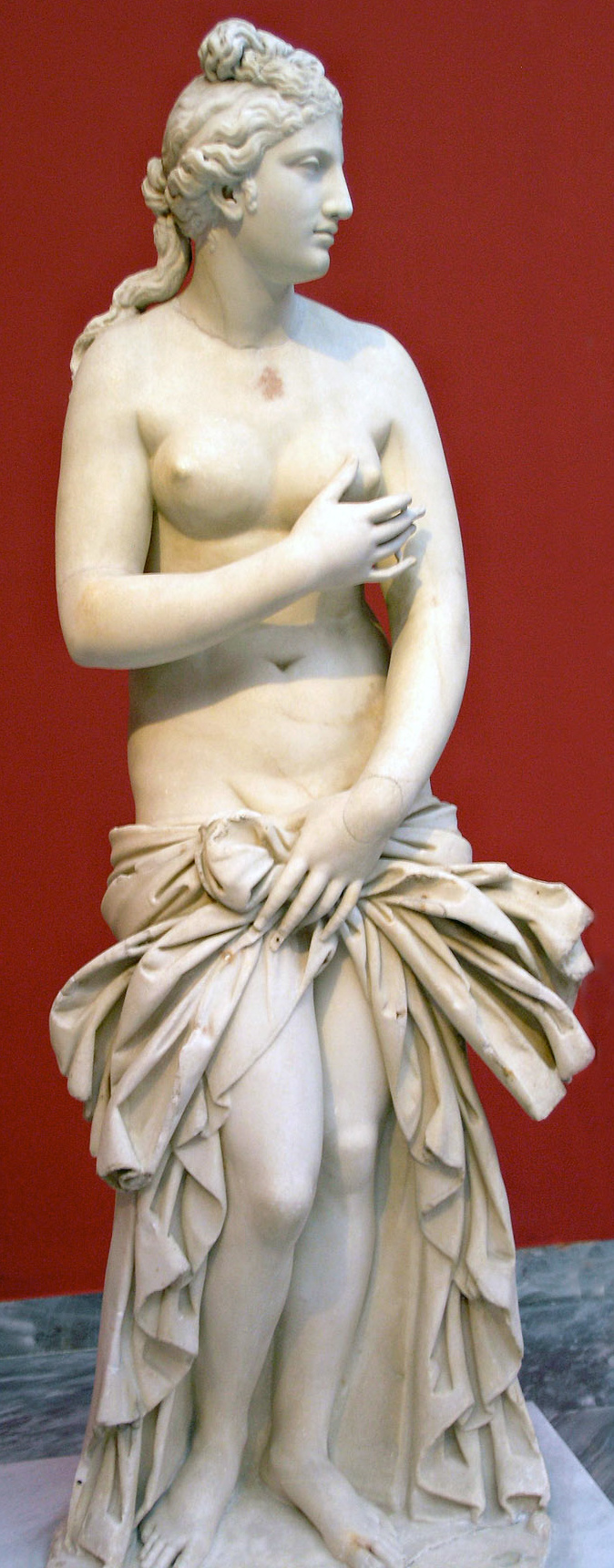

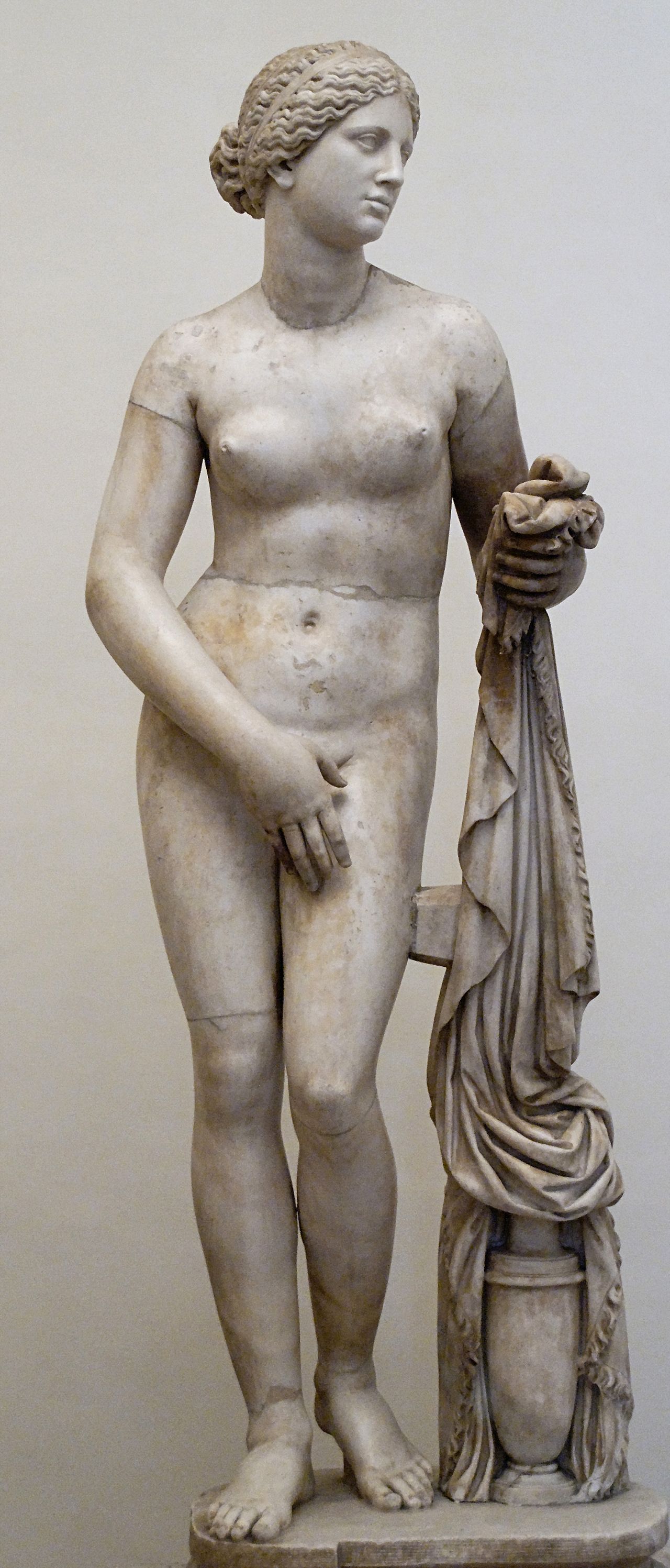


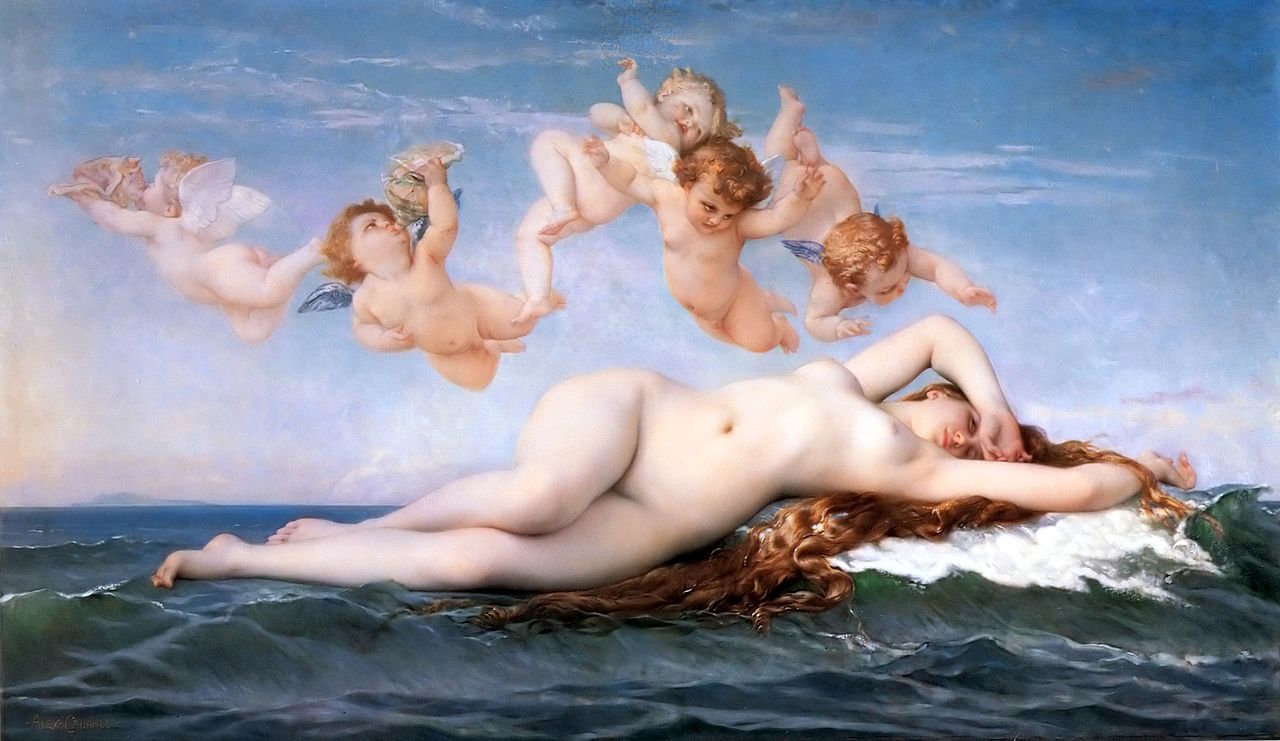


Origins and literary traditions
Two principal origin stories appear in surviving Greek literature. In Hesiod and his Theogony, Aphrodite is born from foaming sea-spray after the Titan Kronos castrates Uranus and hurls his severed genitals into the sea; the goddess emerges fully formed from sea foam. By contrast, in Homeric poetry—most notably the Homer's Iliad—she is described as the daughter of Zeus and Dione and is counted among the Oceanids in some traditions. These differing genealogies reflect the goddess's complex and syncretic nature across regions and epochs.
Cult, worship, and festivals
Aphrodite's most important cult centers were on the islands of Cythera and Cyprus, both traditionally claimed as places of her birth or special veneration. Her public festivals included the Aphrodisia, a midsummer observance in which sacrifices and rites honored her power over love and fertility. Minor goddesses known as the Charites (Graces) often accompanied her in cult imagery and ceremonial contexts.
Symbols and iconography
In art and literature Aphrodite is frequently shown as an idealized, often partially or fully nude woman whose appearance signals beauty and seduction. Common attributes and sacred animals associated with her include:
- Doves, sparrows and swans—birds linked to love and companionship
- Dolphins and marine imagery, reflecting her maritime birth
- Plants and objects such as the myrtle, roses and pearls, used as symbols of beauty and desire
Myths, relationships, and aspects
Aphrodite's marriages and affairs form a large part of her mythic presence. She was wed to the smith-god Hephaestus in a union that combined craft and allure, but mythic narratives often emphasize her extramarital passions—most famously with Ares, the god of war. These relationships produce several important tales, including stories of jealousy, divine retribution and the complex interactions between erotic and martial forces.
Legacy and cultural significance
Aphrodite's influence extends beyond myth into ancient poetry, vase painting, sculpture and later Western art. Her character inspired diverse interpretations: as a terrestrial, civic deity linked to social practices, as a celestial or philosophical principle distinguishing erotic love into higher and lower forms, and as an enduring model of feminine beauty. Modern references to Aphrodite continue to draw on these layers—mythic origin, ritual worship, symbolic animals and emblematic objects—to explore how cultures represent desire, aesthetics and fertility.
For further reading on her names, cults and iconography see entries associated with the terms love and beauty in classical literature and scholarship.
Questions and answers
Q: Who is Aphrodite?
A: Aphrodite is the Ancient Greek goddess of love, beauty, and procreation. She was one of the Twelve Olympians and was married to Hephaestus, god of fire and metalworking.
Q: How did Aphrodite come into existence?
A: According to Hesiod's Theogony, Aphrodite rose from sea foam formed at the spot where Uranos' genitals landed after Kronos castrated him and tossed them into the sea.
Q: What are some symbols associated with Aphrodite?
A: Symbols associated with Aphrodite include dolphins, myrtle, roses, doves, sparrows, swans and pearls. Doves, sparrows and swans were her sacred animals.
Q: Where was Aphrodite's cult centered?
A: Her cult was centered on the islands of Cythera and Cyprus which were both claimed to be her birthplace.
Q: What festival celebrated annually in midsummer honored Aphrodite?
A: The festival that honored Aphrodite annually in midsummer was called the "Aphrodisia".
Q: Who attended to Aphrodite as handmaidens?
A: The Charites (minor goddesses of grace and splendor) attended to Aphrodite as her handmaidens.
Q: What is the Roman equivalent for Goddess Venus?
A: The Roman equivalent for Goddess Venus is Aphrodite.
Related articles
Author
AlegsaOnline.com Aphrodite: Greek goddess of love, beauty, and procreation Leandro Alegsa
URL: https://en.alegsaonline.com/art/4877