
Sail: fabric surfaces that harness wind to propel vessels
A sail is a fabric surface mounted on spars that captures wind to move watercraft. This article covers sail parts, common types and rigs, basic aerodynamics, history, uses, and care.
Overview
A sail is a sheet or panel of material mounted on a vessel to harness the wind and produce motion. Traditionally fitted to a vertical spar called a mast, sails convert wind energy into forces that push and pull a hull across the water. Vessels fitted with sails range from small dinghies with a single sail to large multi-masted ships with many sail surfaces; collectively these are known as boats or sailing craft. While mechanical engines largely replaced sail power for commercial shipping, sails remain important for leisure, sport and specialized applications.
Image gallery
10 Images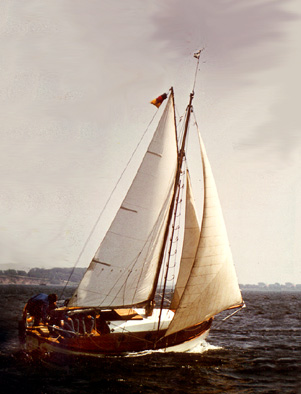


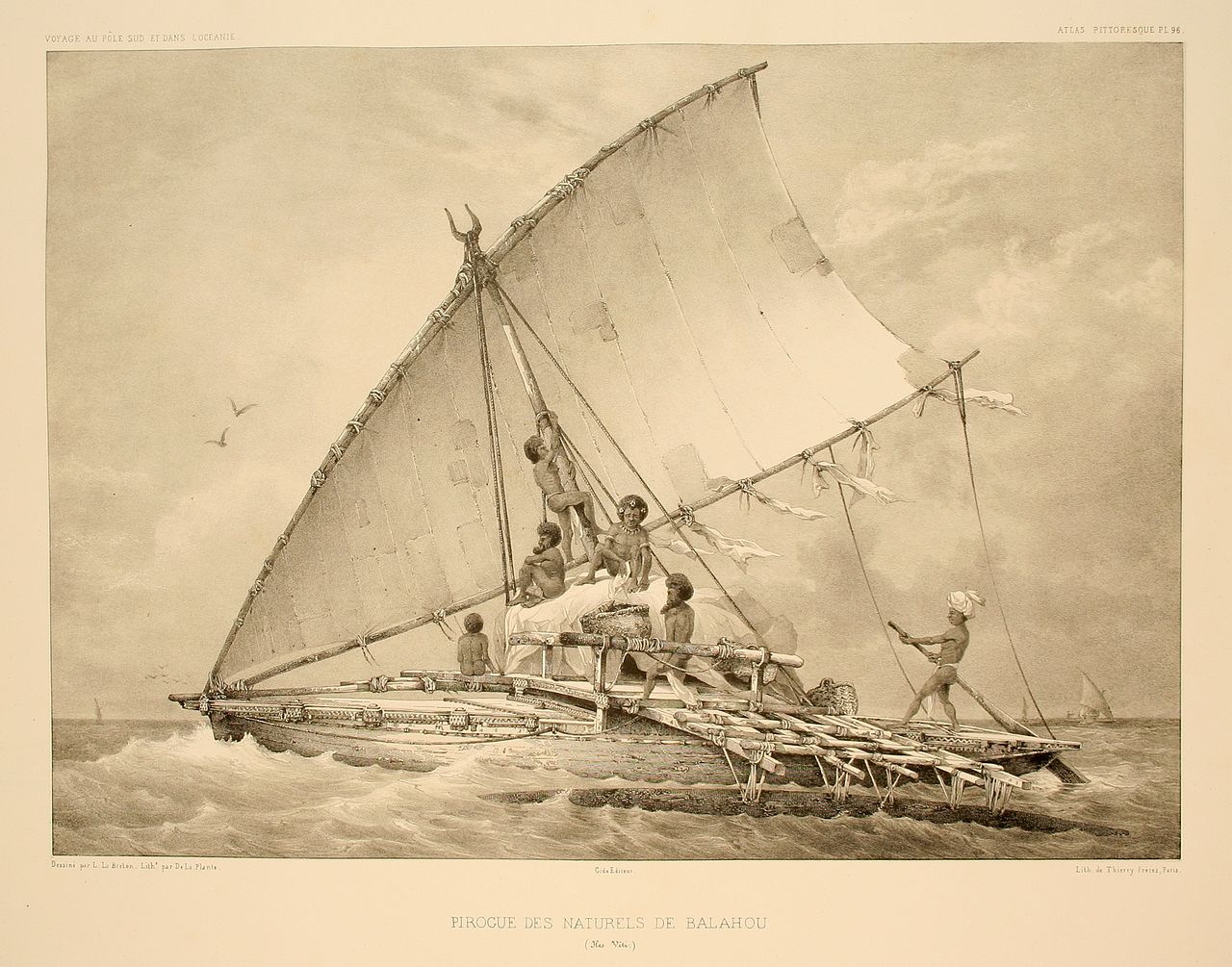
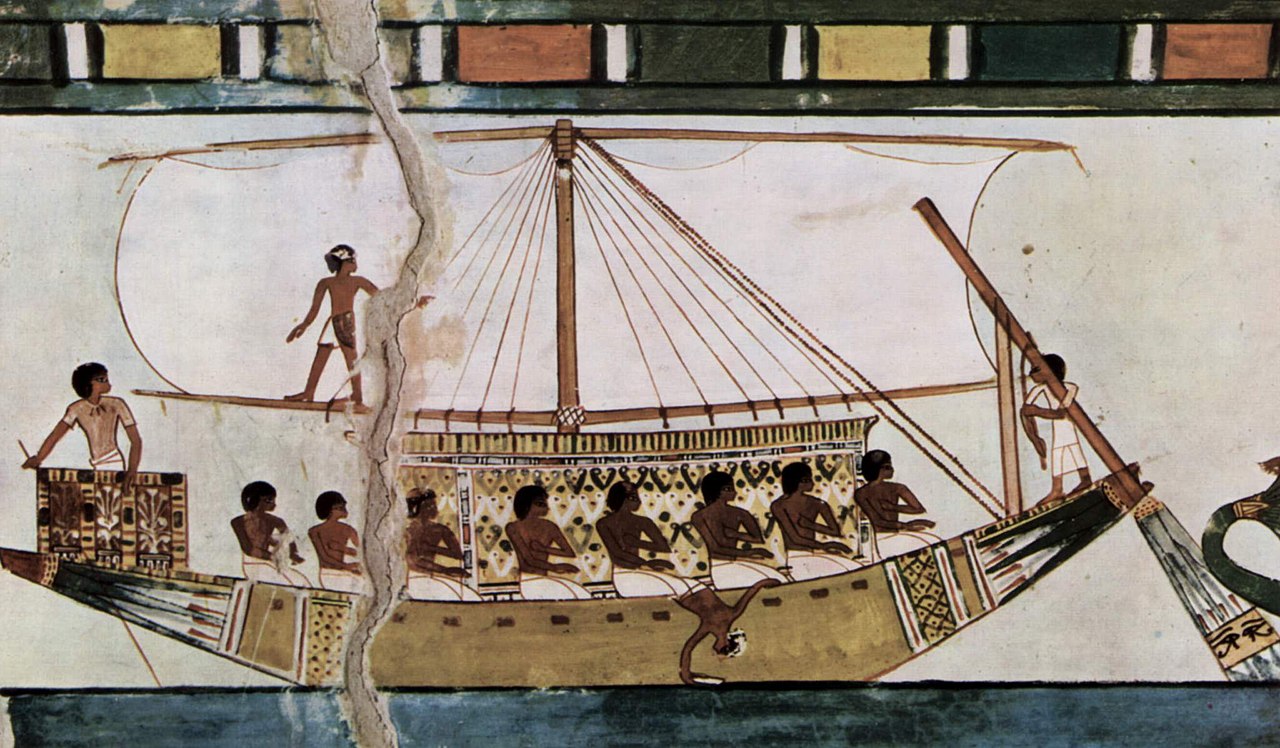


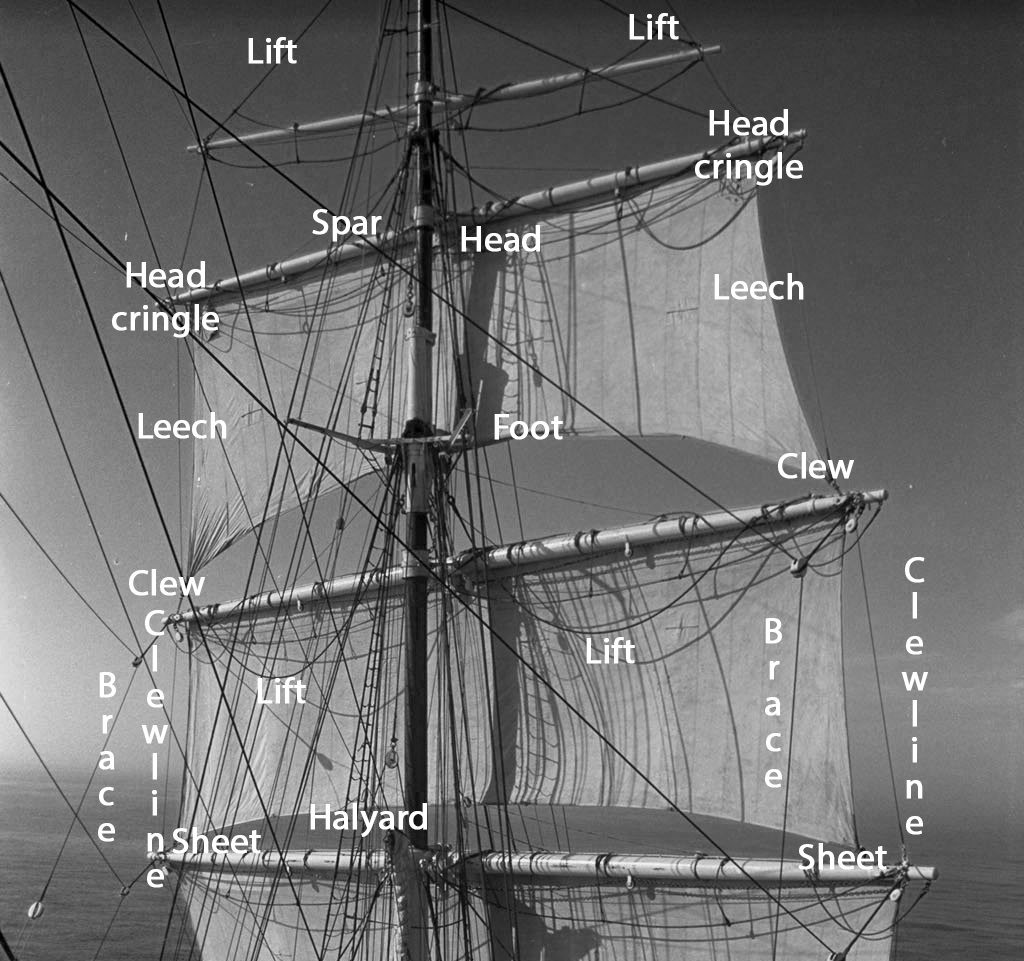

Parts and terminology
Key elements of a typical sail system include the sailcloth itself, spars such as the mast and boom that support the sail, and running and standing rigging that control shape and position. Lines have names: a halyard raises the sail, sheets trim it, and stays and shrouds stabilize the mast. Sails are often cut with panels, seams and reinforcements at corners to withstand loads. Modern materials range from traditional canvas to synthetic woven fabrics and laminated composites chosen for strength, stretch resistance and lightness.
Types of sails and rigs
- Fore-and-aft sails: aligned along the length of the vessel; includes the Bermudian (triangular) mainsail and gaff sails.
- Square sails: hung across the ship and common on older merchant and naval vessels.
- Lateen and triangular sails: used for maneuverability and tacking close to the wind.
- Rigs: common configurations are sloop, cutter, ketch, yawl and schooner, defined by the number and placement of masts and sails.
How sails produce motion
Sails interact with the wind to produce both lift and drag. When trimmed correctly, a sail acts like an airfoil: wind moving faster over one side creates lower pressure and a resultant force that propels the craft forward and provides lateral load carried by the keel or hull. Points of sail (close-hauled, beam reach, broad reach, running) describe the boat's angle to the wind and determine speed and handling. Maneuvers include tacking (turning the bow through the wind) and jibing (turning the stern through the wind).
History and development
Use of sails for riverine and coastal transport dates back to antiquity and developed independently in several maritime cultures. Over centuries sail plan design evolved to improve efficiency, handling and cargo capacity; the Age of Sail saw global trade and exploration dominated by sail-powered ships. Later, coal- and oil-fired steam engines reduced reliance on wind for commercial transport, but racing and recreational sailing kept sail technology advancing into the modern era.
Uses, importance and modern trends
Sails continue to serve diverse roles: traditional fishing and transport in some regions, competitive sailing in regattas, cruising and day-sailing for recreation, and experimental uses such as cargo-assist sails or kite sails for fuel savings. Materials science and computer-aided design have improved sail shapes, while lightweight composites and high-performance laminates push racing performance. Sailing also provides environmental benefits where it replaces fossil-fuel propulsion.
Care, safety and notable facts
Proper sail care includes drying before stowage, checking for chafe and UV damage, and periodic repair. Handling sails involves safety considerations—avoiding lines under load, heaving-to if necessary, and understanding weather limits. Sail terminology and rig configurations vary by region and purpose; learning basic sail handling is central to safe and efficient operation.
Further reading and resources
- Historical fuel transition and steamships
- Modern marine fuels and engines
- Oceanic voyages and exploration
- Recreational sailing organizations and guides
- Competitive sailing and racing rules
For introductory practical guidance on rigging and sail trim consult local sailing schools or manufacturer instructions and safety materials from recognized authorities. Additional technical resources and historical descriptions can be found through specialist publications and archival collections.
Related articles
Author
AlegsaOnline.com Sail: fabric surfaces that harness wind to propel vessels Leandro Alegsa
URL: https://en.alegsaonline.com/art/85301
Sources
- cruisingworld.com : "Rig for a Staysail"
- tspeer.com : "Tom Speer - Home -"