
Fiberglass (glass fibre): composition, history, properties and uses
Fiberglass is a silica-based fiber material used alone and as reinforcement in polymer composites (FRP/GRP). This article explains its manufacture, properties, history, common forms, applications and limitations.
Overview
Fiberglass (also spelled fibreglass or referred to as glass fibre) denotes very fine glass fibers and the composite products made with them. In everyday language the term often refers to fiber-reinforced plastics, but technically it covers both the loose glass wool used for insulation and the discrete filaments that reinforce resins. For more on the basic raw material see glass fibers.
Image gallery
3 Images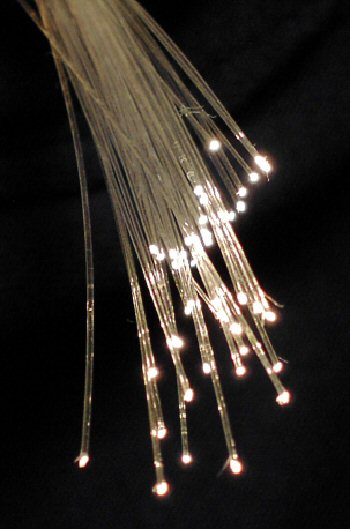

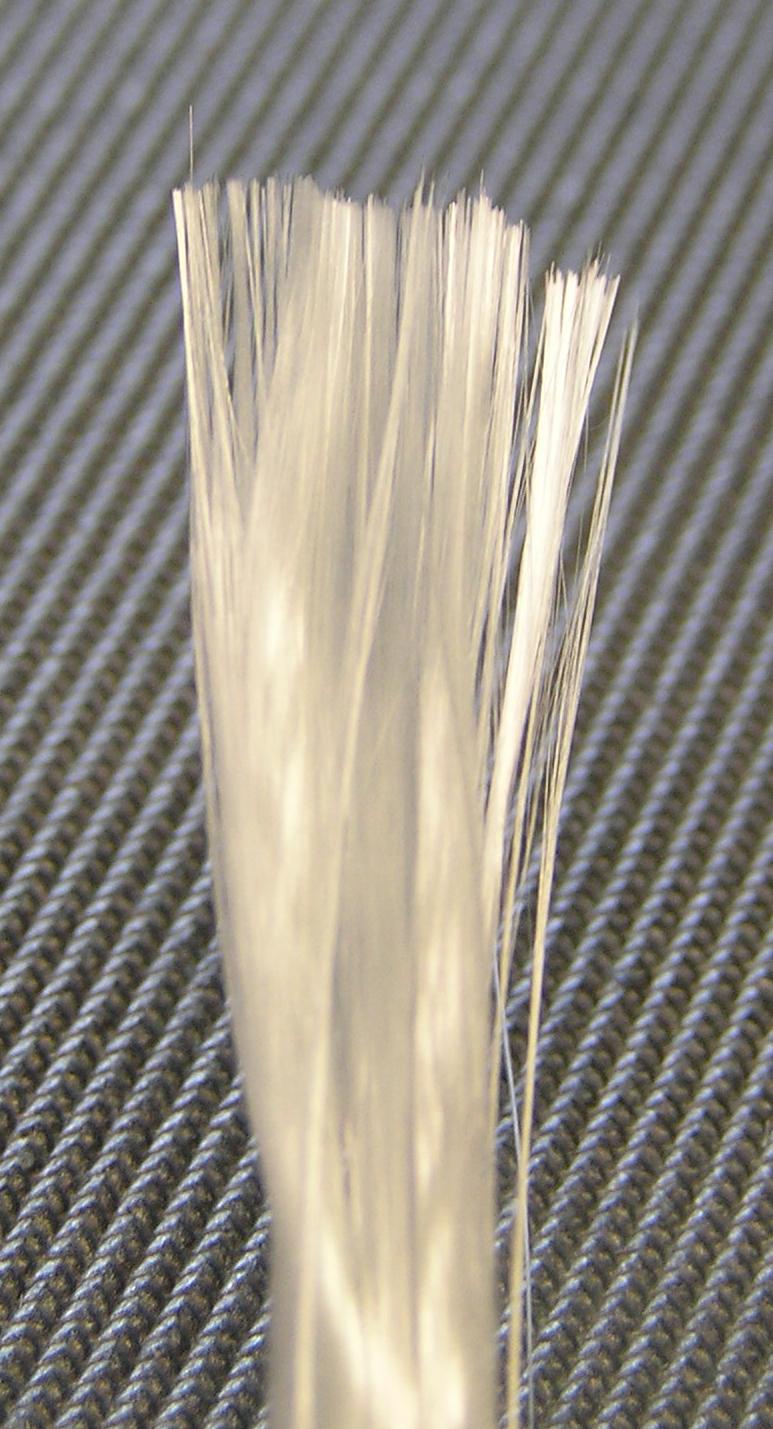
Composition and manufacture
Fiberglass is produced from silica-based glass formulations that include other oxides to adjust melting and mechanical behavior. Molten glass is drawn, extruded or attenuated into many thin filaments and then collected as continuous roving, chopped strands, yarns or non-woven mats. The drawing and finishing steps often apply a surface treatment or sizing to protect fibers and improve bonding with matrix materials such as thermosetting or thermoplastic polymers. For a general description of composite creation see composite materials.
Physical characteristics
Glass fibers are essentially amorphous solids: they lack the ordered crystalline structure found in many metals and ceramics. This gives the fibers high tensile strength and notable stiffness for their weight, along with good electrical insulation and resistance to many chemicals. Individual filaments are brittle compared with organic fibers, so mechanical performance depends on the arrangement of fibers and the resin that binds them. The textile suitability of drawn fibers enables weaving and other processing; for more on that aspect see textile processing.
History and development
Attempts to make glass threads go back centuries, but practical mass production required finer tooling and controlled processes developed in the 20th century. Early widespread use was in glass wool for thermal and acoustic insulation, which began in the early decades of the 20th century. Later improvements in drawing, sizing and resin technology expanded fiberglass use into structural composites during the mid-20th century and beyond.
Common forms and applications
- Continuous rovings and woven cloth — used where directional strength is needed.
- Chopped strands and mats — used in molded parts and hand lay-up processes.
- Glass wool and blankets — used for thermal and acoustic insulation.
Fiberglass-reinforced polymers are found in boat hulls, automotive body panels, storage tanks and pipes, sporting goods, building panels, and some wind turbine blades. They are valued for a high strength-to-weight ratio, corrosion resistance and electrical insulation. For processing methods and extrusion concepts see extrusion and filament formation topics at fiber diameter and drawing.
Advantages, limitations and distinctions
Advantages include good mechanical performance per mass, versatility of shapes, and resistance to many aggressive environments. Limitations include sensitivity to long-term ultraviolet exposure unless protected, comparatively lower impact toughness than some fiber composites, and recycling challenges because glass fibers are embedded in polymeric matrices. Different terms are commonly used for similar materials: the popular name "fiberglass" contrasts with technical labels such as fiber-reinforced polymer (FRP) or glass-reinforced plastic (GRP), and some glass compositions (e.g., borosilicate) are chosen for specific thermal or chemical needs.
Health, safety and environmental notes
Handling loose fibers and cutting cured composites can release small particles; appropriate dust control and personal protection are recommended. Insulation-grade glass wool behaves as an irritant to skin and airways until fibers are bound or encapsulated. Disposal and recycling depend on local facilities: some waste can be reused as filler or reclaimed in limited processes, but many components remain difficult to separate from their polymer matrices. For context on amorphous solids and glass structure see amorphous materials and related resources at insulation history and polymer composites.
Further technical and historical reading can be found through specialist materials and manufacturing overviews—search resources such as engineering handbooks and materials science introductions; for general background on production and applications visit glass fiber basics or supplier and standards pages at industry references and processing guides.
Questions and answers
Q: What is fiberglass?
A: Fiberglass is material made from extremely fine fibers of glass that is used as a reinforcing material for many polymer products.
Q: What are the proper names for the composite material produced by fiberglass?
A: The proper names for the composite material produced by fiberglass are fiber-reinforced polymer (FRP) or glass-reinforced plastic (GRP).
Q: Why was mass manufacture of fiberglass only made possible later in history?
A: Mass manufacture of fiberglass was only made possible when finer tools for machines were produced.
Q: What was the first major use of fiberglass?
A: The first major use of fiberglass was in "glass wool" for insulation, starting in the 1930s.
Q: How is glass fiber formed?
A: Glass fiber is formed when silica-based or other formulation glass is extruded into many fibers with small diameters that are suitable for textile processing.
Q: How is the structure of glass in its soft stage similar to its properties when spun into fiber?
A: The properties of the structure of glass in its soft stage are very much like its properties when spun into fiber because glass is unlike other polymers in that, even as a fiber, it has little crystalline structure (see amorphous solid).
Q: Has experimentation with glass fibers been done throughout history?
A: Yes, glassmakers throughout history have experimented with glass fibers.
Related articles
Author
AlegsaOnline.com Fiberglass (glass fibre): composition, history, properties and uses Leandro Alegsa
URL: https://en.alegsaonline.com/art/34167