
Canal (artificial waterway): types, history, structure and uses
A canal is a man-made waterway built to move vessels, divert water for irrigation or power, and link bodies of water. This article reviews forms, parts (locks, aqueducts), history, uses and impacts.
Overview
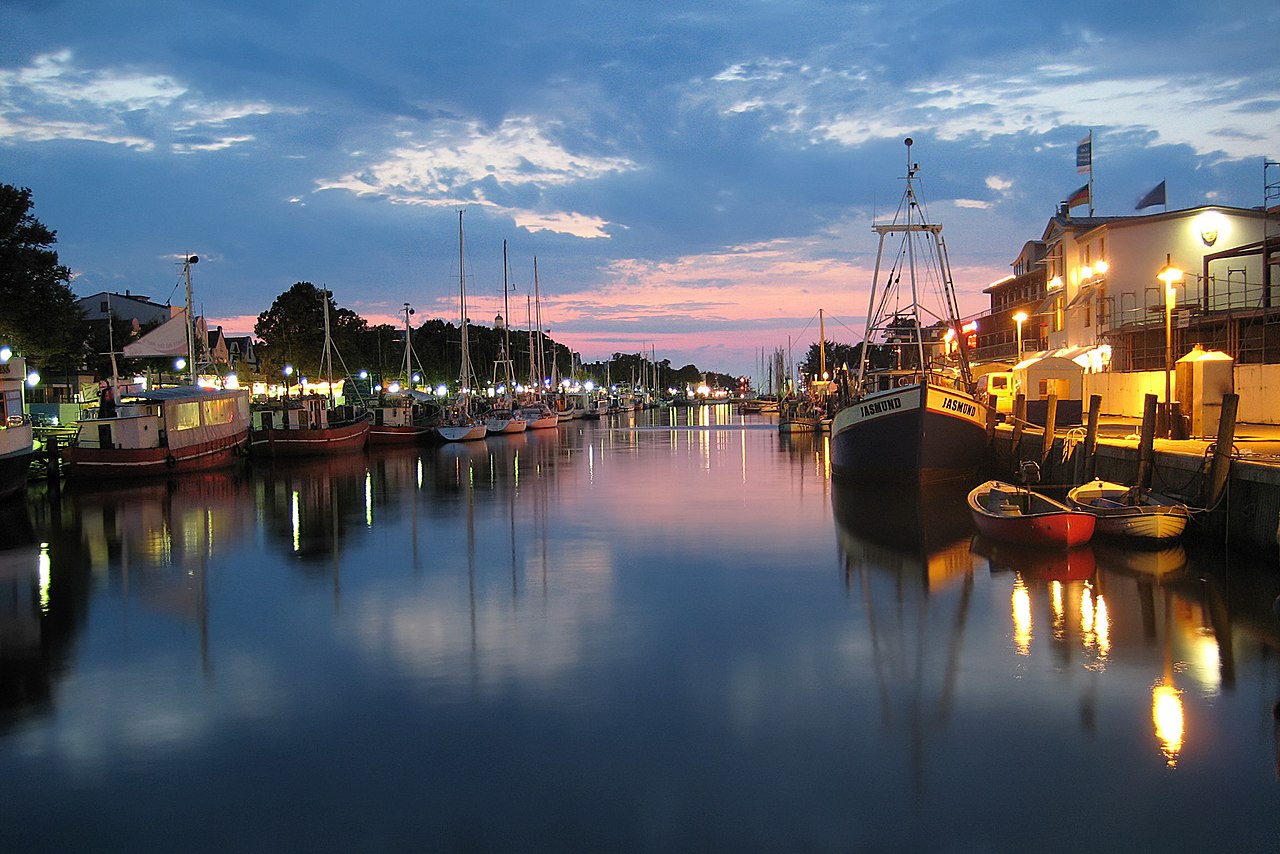
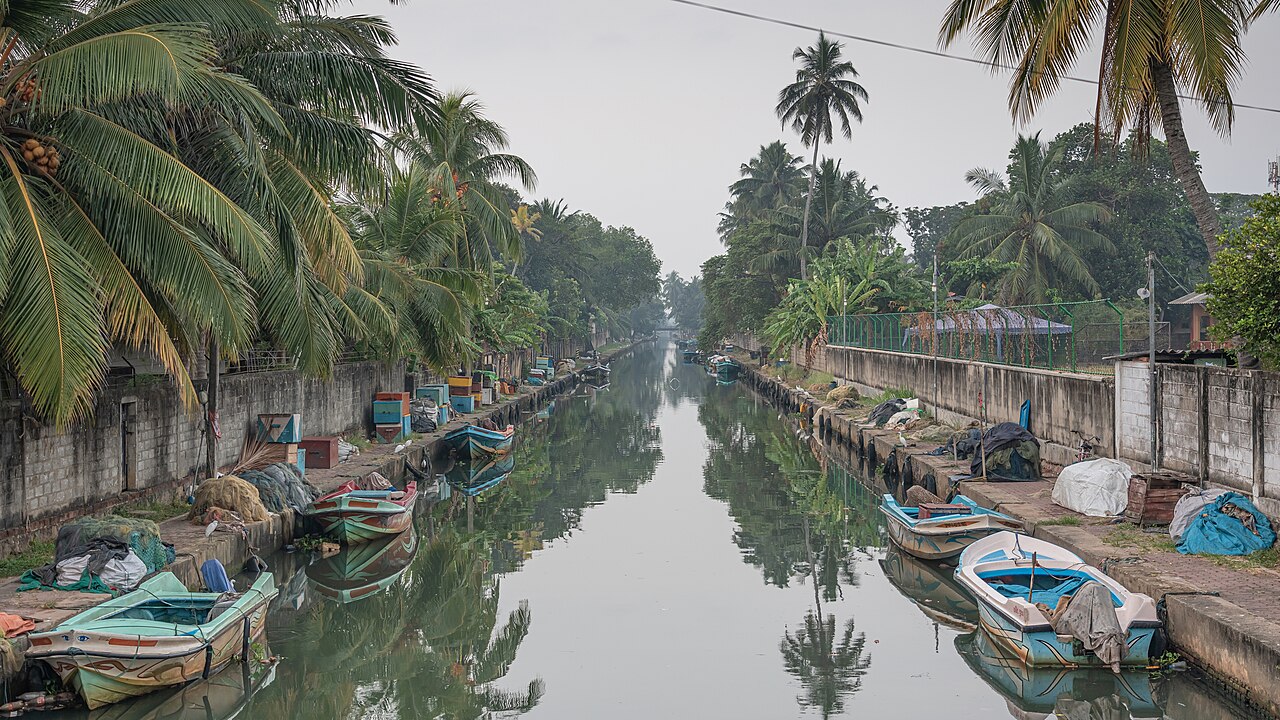
A canal is an artificial waterway constructed by people (human-made) to convey vessels, water, or both. Historically canals enabled bulk transport by barges and boats, connecting inland lakes (lakes), rivers (rivers) and seas or oceans (oceans). Major transit canals such as the Panama Canal link ocean basins, in that case the Atlantic Ocean and the Pacific Ocean, shortening voyages and reducing cost.
Image gallery
10 Images




Typical structure and components
Canal design adapts to terrain and purpose. Many channels are stabilised with lining materials like clay or concrete to reduce seepage and erosion. Key elements include:
- Locks and chambers to change water levels and allow ships to ascend or descend.
- Aqueducts and viaducts that carry a canal over valleys or rivers.
- Cuttings and embankments to follow or alter topography.
- Sluices, weirs and control gates to regulate flow and maintain navigation depth.
History and development
Artificial channels date back to ancient civilisations where they supported irrigation, transport and settlement growth. Over centuries engineering advanced from simple dug channels to complex lock systems and large-scale transoceanic projects. The industrial era accelerated canal building, while 20th-century projects integrated modern materials and mechanised excavation.
Uses and examples
Beyond navigation, canals serve irrigation (irrigation), urban water supply, drainage and energy schemes, including some linked to hydropower. Examples range from regional feeder canals that irrigate farmland to landmark arteries that support global trade.
Impacts, maintenance and distinctions
Canals alter hydrology and ecosystems; their construction and upkeep require dredging, bank protection and water management to limit sedimentation, leakage and habitat disruption. Unlike natural rivers, canals are engineered for predictable depths and routes and often require continual human maintenance. Well-maintained canals remain important infrastructure for commerce, agriculture and flood management.
Further reading and resources
For more detail on design standards, historical projects and case studies, see specialist texts and engineering references. External resources and technical manuals can be consulted via authoritative links and databases (terminology, construction, navigation, hydrology, river links, marine connections, major canals, ocean basins, interocean links, lining materials, concrete works, irrigation systems, hydropower projects).
Related articles
Author
AlegsaOnline.com Canal (artificial waterway): types, history, structure and uses Leandro Alegsa
URL: https://en.alegsaonline.com/art/16490