
Boeing 307 Stratoliner
A 1930s four-engined airliner notable for being the first pressurized transport cabin, enabling higher-altitude flights and greater passenger comfort; served civilian airlines and saw wartime use.
Overview
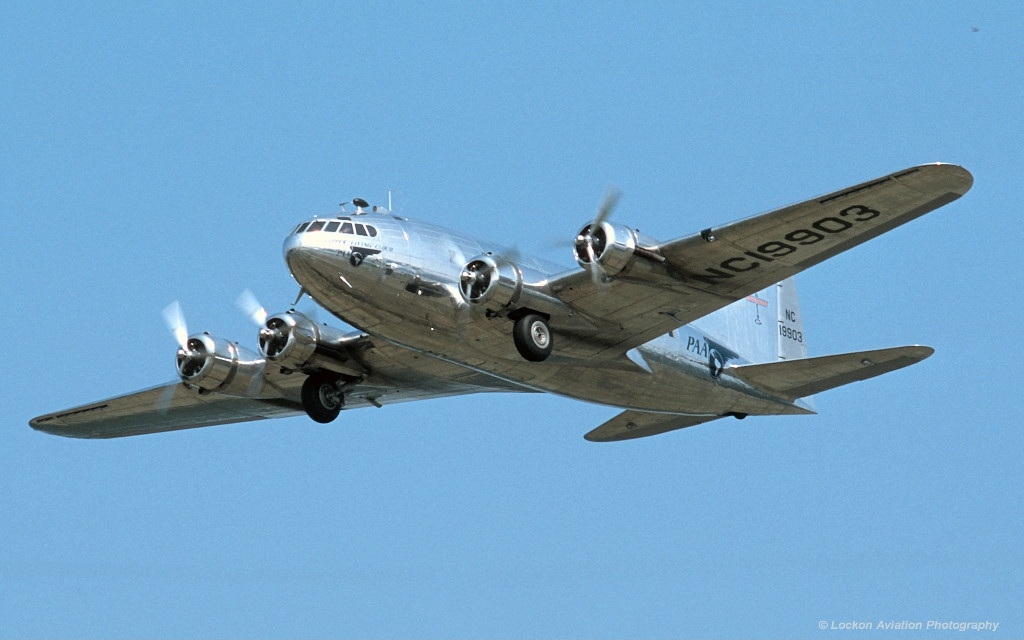
The Boeing 307 Stratoliner was an early four-engined airliner developed by Boeing in the late 1930s. It is best remembered for introducing a fully pressurized passenger cabin to commercial aviation, which allowed routine operations at altitudes above much of the weather and opened a new era of higher, smoother, and faster airline service.
Image gallery
10 Images




Design and key characteristics
The Stratoliner combined a conventional low-wing monoplane layout with a circular, pressurized fuselage cross-section and a separate flight deck. It was powered by four radial piston engines and carried a crew including a dedicated flight engineer as well as cabin and cockpit personnel. Typical interior arrangements accommodated a modest number of passengers in a relatively wide cabin—nearly 12 feet across—configured for comfort rather than maximum seating density.
Performance and cabin pressurization
Pressurization was the defining technological feature: by maintaining a lower cabin altitude than the aircraft's cruising altitude, passengers and crew experienced fewer physiological stresses and greater comfort. The system permitted the Stratoliner to fly above most meteorological disturbances; for example, when the aircraft's exterior altitude was well above fourteen thousand feet the cabin pressure was comparable to that found at roughly eight thousand feet. This advantage reduced turbulence exposure and improved schedule reliability.
Operational history
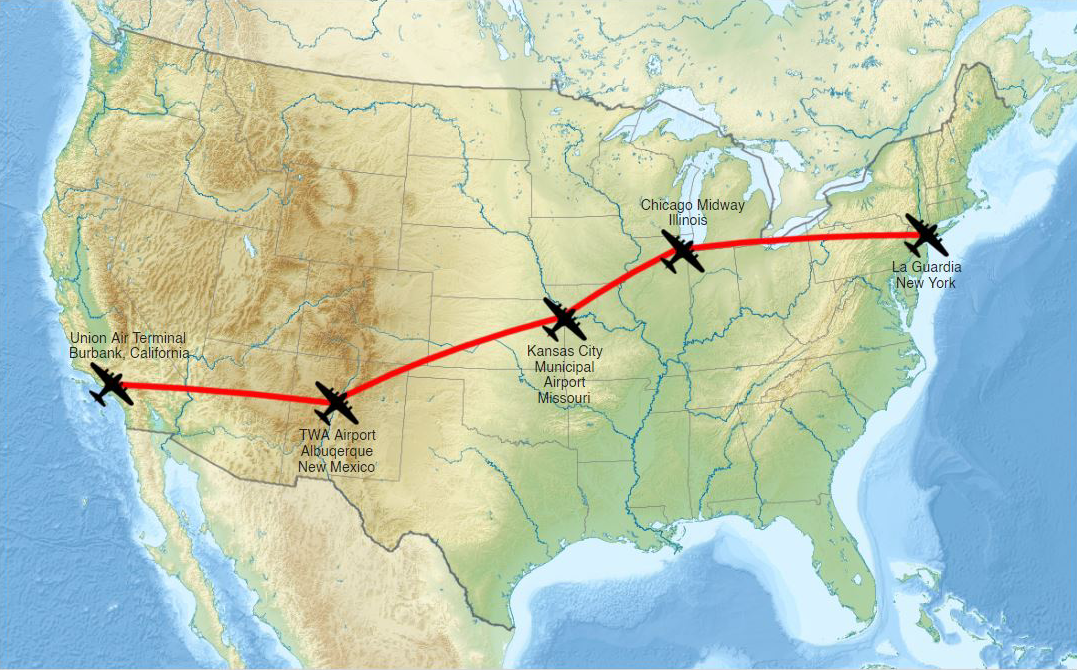
A small number of Stratoliners entered service with commercial carriers and were later used in wartime roles. Operators employed them on transcontinental and long-distance routes where the aircraft's altitude capability and comfort were marketing points. During World War II some were requisitioned or adapted for military transport duties, extending their operational life beyond prewar airline use.
Legacy and significance
The Boeing 307's pressurized cabin established a practical precedent that influenced subsequent piston and then turbine transports. Later designs adopted and refined cabin pressurization and environmental control systems, enabling the higher cruising altitudes and speed profiles common today. The Stratoliner is also noted as one of the first landplanes to incorporate a dedicated flight engineer position in routine airline operations.
Notable facts
- Crew composition included cockpit personnel plus a flight engineer, reflecting increasing system complexity.
- The ability to fly above weather improved passenger comfort and operational reliability; this advantage was a key selling point to early airlines.
- The type bridged prewar and wartime aviation technology and paved the way for postwar pressurized transports.
For additional technical details and historical context consult detailed resources and archival material related to the Boeing 307 and early pressurized airliners. See manufacturer histories and contemporary airline accounts for operational anecdotes and restoration efforts. More information.
Questions and answers
Q: What is the Boeing 307 Stratoliner?
A: The Boeing 307 Stratoliner was an airliner made by Boeing.
Q: What was unique about the Boeing 307 Stratoliner?
A: It was the first airliner to have a pressurized cabin, which allowed it to fly at 20,000 ft above most weather.
Q: How high could the Boeing 307 Stratoliner fly?
A: The plane could fly at 20,000 ft, which is above most weather. At 14,700 ft, the cabin would be like 8,000 ft inside.
Q: How many crew members and passengers could the Boeing 307 carry?
A: The Model 307 carried five crew and 33 passengers.
Q: How wide was the cabin of the Boeing 307 Stratoliner?
A: The cabin was nearly 12 ft across.
Q: What was unique about the flight engineer on the Boeing 307 Stratoliner?
A: It was the first plane that took off from land to have a flight engineer.
Q: What is the significance of the Boeing 307 Stratoliner?
A: The Boeing 307 Stratoliner was significant because it was the first airliner to have a pressurized cabin, which allowed it to fly at higher altitudes above weather. It also introduced the role of a flight engineer on an airplane.
Related articles
Author
AlegsaOnline.com Boeing 307 Stratoliner Leandro Alegsa
URL: https://en.alegsaonline.com/art/12632
Sources
- aviation-history.com : "Boeing 307 Stratoliner entry at."
- 1940airterminal.org : "Houston's Aviation History Timeline."
- historylink.org : "4 escape injury as historic Stratoliner ditches in Elliott Bay."
- inhabitat.com : "Green Design Will save the World: The Cosmic Muffin: A Boat Recycled From Howard Hughes’ Plane."