
Boeing 247
American twin‑engined airliner introduced in 1933 that set new standards for speed, safety and passenger comfort through all‑metal construction and advanced systems.
Overview
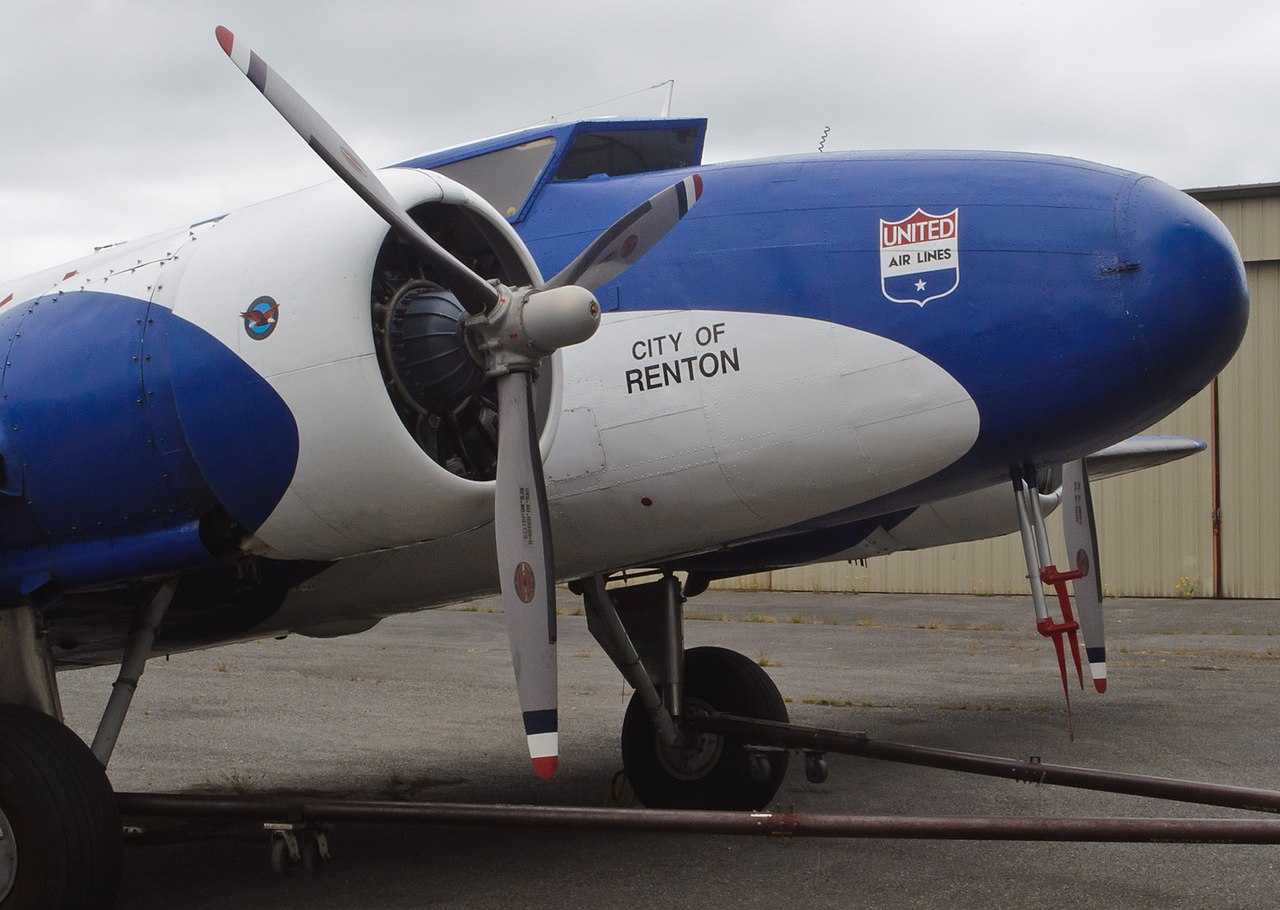
The Boeing 247 was a pioneering American airliner that entered service in the early 1930s. Widely regarded as one of the first modern airliners, it combined an all‑metal monoplane layout with aerodynamic refinements and systems that were advanced for its time. The airplane helped establish new expectations for speed, reliability and onboard comfort in scheduled airline service. Historical summaries often cite the 247 as a turning point between the biplane era and the streamlined transports that dominated later decades.
Image gallery
10 Images


Design and key features
The 247 introduced several features that became standard on later transports. Its basic configuration emphasized efficiency, safety and passenger convenience. Notable characteristics included:
- All‑metal, stressed‑skin construction: a stronger, smoother airframe than typical wood‑and‑fabric designs of earlier years.
- Retractable landing gear: reduced drag compared with fixed gear and improved cruise performance; an early example of this on an airliner was a selling point for operators.
- Advanced systems: provisions such as pneumatic de‑icing boots and an automatic pilot helped maintain operations in adverse weather.
- Passenger amenities: a comfortable, enclosed cabin laid out for a small group of passengers with attention to noise and vibration reduction relative to earlier types.
Development and operational history
The prototype made its first flight in February 1933 and the type entered scheduled airline service later that year. Built by Boeing for use in mainstream airline operations, the 247 served on primary routes and demonstrated that fast, reliable, and relatively quiet air travel could be a practical commercial product. Dozens of examples were produced and operated by major carriers of the period; some airframes also served in military or corporate roles as needs evolved.
Impact, legacy and successors
Although larger, longer‑range and pressurized designs followed before World War II, the 247 influenced subsequent airliner design by normalizing features that are now commonplace. Its blend of systems, structure and operational capability anticipated developments such as pressurization and multi‑engine long‑distance transports. The Boeing 307 Stratoliner, which introduced cabin pressurization to airliners, built on the developmental lineage to which the 247 contributed. See related developments.
Notable facts and distinctions
The Boeing 247 is frequently mentioned in discussions of aviation milestones because it combined multiple advanced features in a single, commercially successful package. While later aircraft increased capacity and range, the 247 remains a reference point for the shift toward modern passenger transports. For more technical summaries and archival material, consult contemporary sources and museum collections. Technical references
Further reading
Questions and answers
Q: What is the Boeing 247?
A: The Boeing 247 is an American airliner.
Q: What advanced features did the Boeing 247 fully use?
A: The Boeing 247 fully used advanced features such as retractable landing gear, an autopilot and deicing boots.
Q: When did the Boeing 247 first fly?
A: The Boeing 247 first flew on February 8, 1933.
Q: Was the Boeing 247 used for commercial flights in the same year it was first flown?
A: Yes, the Boeing 247 started being used for commercial flights later that same year.
Q: Were there any major changes made to the Boeing 247 after it was initially introduced?
A: No major changes were made to the Boeing 247 until Boeing introduced the Boeing 307 Stratoliner.
Q: How did the Boeing 247 compare to later planes?
A: Later planes became bigger and some had four engines, but the Boeing 247 was still considered advanced for its time.
Q: What is significant about the Boeing 247's use of advanced features?
A: The Boeing 247's use of advanced features such as retractable landing gear, an autopilot and deicing boots makes it a significant milestone in aviation history.
Related articles
Author
AlegsaOnline.com Boeing 247 Leandro Alegsa
URL: https://en.alegsaonline.com/art/12631
Sources
- boeing.com : "Model 247 Commercial Transport."
- books.google.com : pp. xi–xii
- books.google.com : p. 1
- nasm.si.edu : "NASM Boeing 247D."
- aviation-history.com : "Boeing Model 247- USA."
- rcaf.com : "Boeing 247D."
- www3.gendisasters.com : "Cheyenne, WY United Airlines Plane Crashes."
- ntl1.specialcollection.net : "Aircraft Accident Report, December 15, 1936 crash."
- time.com : "Confetti on Lone Peak."
- kansastravel.org : "Martin and Osa Johnson Safari Museum."
- aviation.technomuses.ca : "Boeing 247D."
- worldcat.org : WorldCat
- books.google.com : The Boeing 247: The First Modern Airliner.