
Animal testing
Use of animals in experiments to study biology, develop medicines, or test products; practices, species, history, ethical debate, regulations, and alternatives.
Overview
Animal testing, also called animal testing or animal experimentation, refers to the deliberate use of nonhuman organisms to study biological processes, to evaluate medical treatments or to assess safety. The phrase is commonly applied to work on multicellular animals, but laboratory science also relies on other biological models such as Escherichia coli and nonanimal systems. Research using living animals ranges from studies of basic physiology to applied toxicology and drug development.
Image gallery
10 Images



Common species, settings and practices
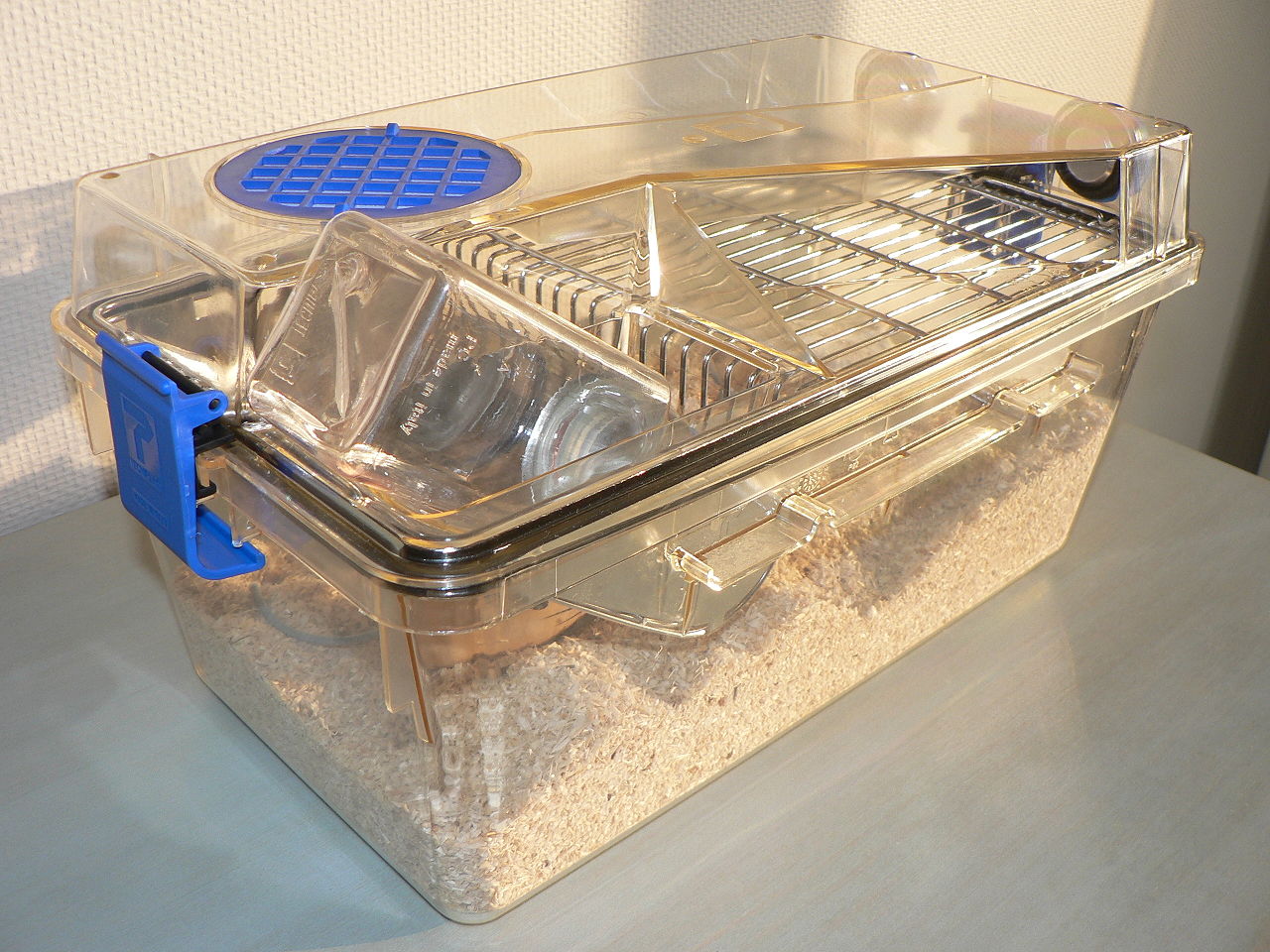
Researchers use a variety of species chosen for particular advantages: small mammals are common, as are invertebrates and some nonmammalian vertebrates. Examples frequently cited in laboratory practice include fruit flies, mice and rats; many programs also use fish, rabbits, birds and others. A significant distinction is made between vertebrate animals, which typically receive legal protection in many jurisdictions, and invertebrates.
- Sources and housing: animals may be purpose-bred for study, acquired from suppliers, captured from the wild in some regions, or in rare cases obtained from other channels.
- Typical locations: studies occur in universities, medical schools, research farms, private companies and specialised contract facilities.
Scale, regulation and oversight
Globally, the number of animals used in experiments is large—commonly described as tens of millions each year—and the precise counts vary by country and by whether invertebrates are included. National rules differ on which species are covered, how procedures are approved and what welfare standards apply. Many countries require ethical review, licensing and reporting, and institutions commonly maintain oversight committees to monitor compliance and welfare.
Scientific role and limitations
Animal studies have contributed to vaccines, surgical techniques and many biomedical advances, because living organisms reveal integrated responses that are difficult to predict from isolated cells or molecules. At the same time critics note that complex biology spans levels from molecular interactions to cells, tissues, organs and whole organisms in an environment, and that no single model perfectly captures human biology.
Ethics, alternatives and debate
The use of animals raises ethical questions about suffering, consent and moral status. Advocacy groups and some scientists argue for restriction or abolition of certain types of testing; organizations such as PETA are prominent critics. Supporters contend that responsible animal research remains necessary for medical progress while striving to minimize harm. Efforts to reduce reliance on animals include development of in vitro methods, advanced imaging, organ-on-chip devices, and computational modelling; nevertheless these alternatives do not yet replace every animal use. Work with established model organisms requires careful interpretation because species differences can limit direct translation to humans.
Notable distinctions and guiding principles
Practical governance and scientific practice emphasize three complementary goals often called the 3Rs: replacement (use nonanimal methods where possible), reduction (use fewer animals) and refinement (minimise pain and improve welfare). Legal restrictions, public attitudes and funding priorities shape what research is permitted and how it is conducted. Understanding the scientific contributions, ethical tensions and evolving alternatives helps frame informed public discussion and policy on animal testing.
Questions and answers
Q: What is animal testing?
A: Animal testing, also known as animal experimentation and animal research, is the use of animals for experiments.
Q: What types of animals are commonly used for animal testing?
A: Escherichia coli, fruit flies, and mice are often used for animal testing.
Q: How many animals are used worldwide each year?
A: About 50 to 100 million vertebrate animals and many more invertebrate animals are used around the world every year.
Q: Where do these animals come from?
A: The source of the animals varies according to country and species. Most are bred specifically for this purpose, but some may be caught from the wild or bought from people who buy them from animal shelters.
Q: Where do experiments involving animals take place?
A: Animals are used for experiments inside universities, medical schools, farms, large companies and other places that provide animal-testing services.
Q: What do supporters of animal testing say about it?
A: Supporters argue that almost every medical discovery in the 20th century used animals in some way and that complex computers cannot model connections between molecules, cells, tissues, organs, organisms and the environment; therefore many important discoveries were made because of animal testing.
Q: Who opposes animal testing?
A: Scientists and organizations such as PETA oppose it on grounds that it is cruel, poorly done and costly; they also argue that animals have a right not to be used for experiments since model organisms differ from humans.
Related articles
Author
AlegsaOnline.com Animal testing Leandro Alegsa
URL: https://en.alegsaonline.com/art/4276