
Western philosophy: history, methods, and enduring influence
Survey of Western philosophy: its origins in ancient Greece, major periods and movements, characteristic methods, cross-cultural contacts, and its influence on law, science and politics.
Overview: Western philosophy denotes the body of philosophical thought that developed within the cultures of Europe and societies influenced by them. It is commonly traced to the thinkers of ancient Greece and expanded through Roman, medieval, early modern and contemporary periods. The term situates a set of questions, methods and debates about knowledge, reality, value, and reasoning within a particular historical and cultural lineage; for broader context see Western civilization and general philosophy.
Image gallery
10 Images





Origins and classical era
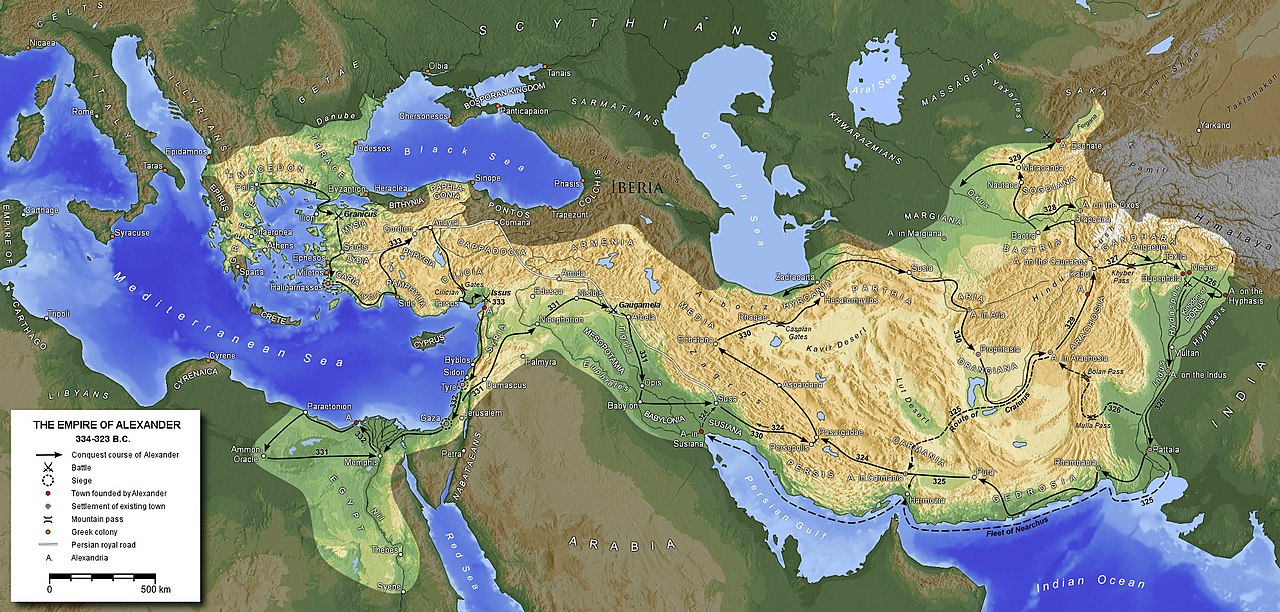
The classical beginnings are associated with cities of the Mediterranean, especially those of Ancient Greece. Figures such as Socrates, Plato and Aristotle framed enduring problems: ethics, political order, metaphysics and logic. Their work circulated across the Roman world and set conceptual priorities that shaped later scholarship in Europe.
Medieval to early modern development
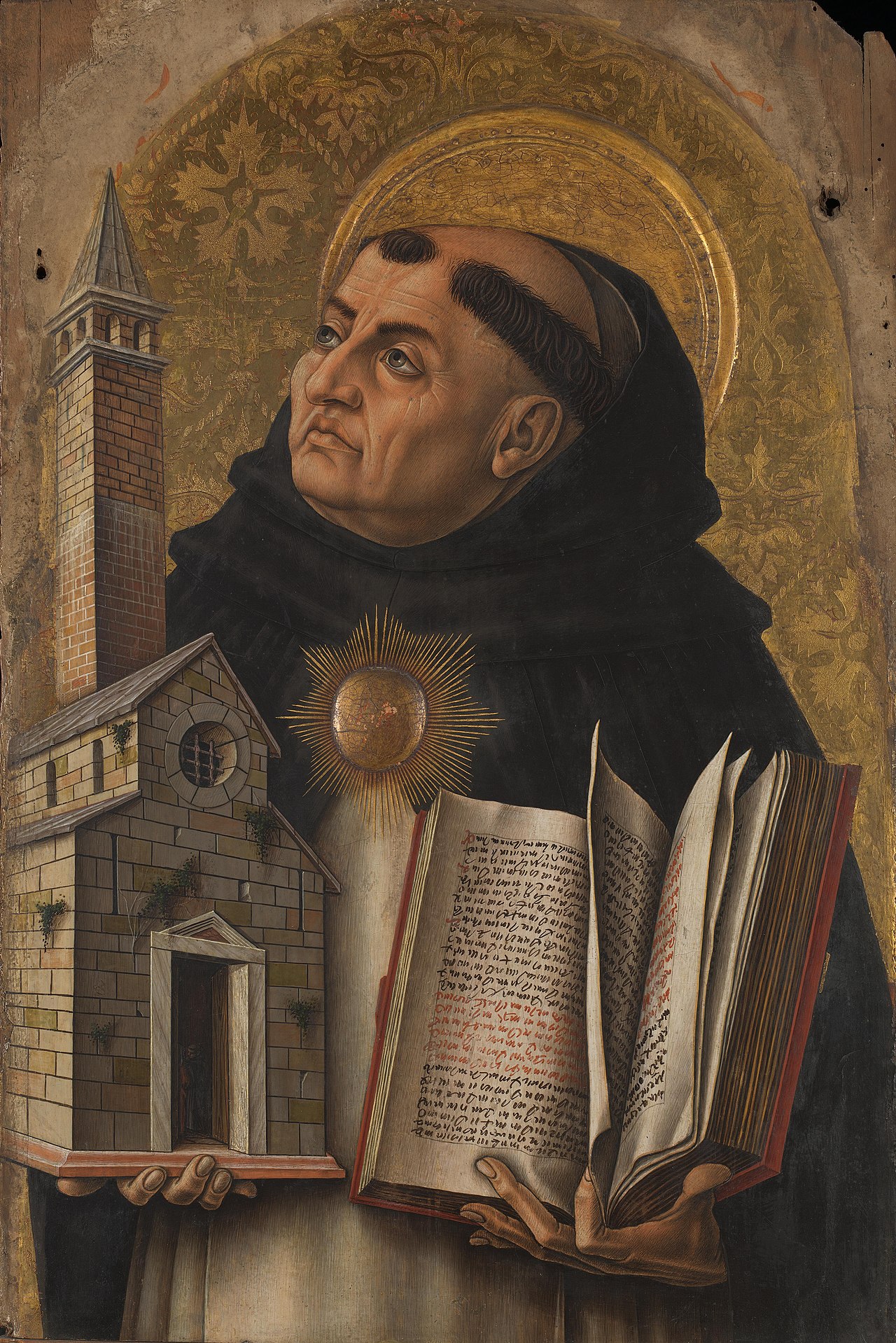
During the medieval period, philosophy in Europe interacted with theology and law; scholastic thinkers adapted ancient authorities and engaged with texts from other regions, including translations of works produced in the Islamic world. The early modern era introduced new emphases on scientific method, individual rights and political theory that underpinned later secular and empirical approaches.
Modern movements and methods
From the 19th century onward Western philosophy diversified into many schools — analytic, continental, pragmatist, phenomenological and more — each with distinct methods and vocabularies. Core methods include conceptual analysis, logical argument, phenomenological description and experimental or interdisciplinary engagement with the sciences.
Comparisons and cross-cultural contact
‘Western’ is a descriptive label rather than an absolute boundary. It is commonly contrasted with Eastern traditions that arose in Asia, such as schools connected to China, Japan, India and Korea. At the same time, intellectual exchange has been continuous: Mesopotamian and Babylonian thought (Babylon) and Islamic philosophers (Islamic philosophy) played roles in transmitting and reshaping ideas that entered the Western canon.
Importance and contemporary relevance
- Branches: metaphysics, epistemology, ethics, political philosophy and aesthetics.
- Practical influence: law, science, education and public policy rely on philosophical concepts such as justification, rights and evidence.
- Ongoing debates: the nature of consciousness, justice, language and the limits of scientific explanation.
Notable fact: Western philosophy is best understood as a living tradition: it preserves historical texts while continually revising methods and topics in light of new knowledge and cross-cultural perspectives.
Related articles
Author
AlegsaOnline.com Western philosophy: history, methods, and enduring influence Leandro Alegsa
URL: https://en.alegsaonline.com/art/107527