
Animal rights: principles, history, and contemporary debates
Overview of animal rights: core ideas, historical development, practical implications, and distinctions from animal welfare, with examples of common issues and debates in ethics and policy.
Overview
Animal rights is the ethical position that sentient non-human animals are entitled to certain moral and legal protections. Advocates argue that many animals possess interests—such as avoiding pain and seeking well-being—that merit recognition independent of their utility to humans. This view influences positions on how animals are treated in food production, clothing, scientific research, and entertainment.
Image gallery
10 Images



Core ideas and concepts
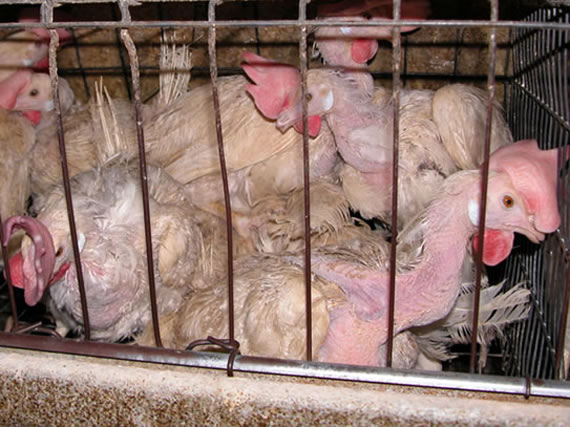
At its heart, the movement challenges the idea that species membership alone justifies vastly different moral standing. Supporters often claim that if beings can suffer or have preferences, those facts generate moral reasons to consider their interests. Key practical areas of concern include:
- Use of animals for food and agriculture
- Animals in clothing and other products
- Animal experimentation and biomedical research
- Performance and entertainment involving animals
Writers and activists use terms such as non-human animals and contrast animal rights with related ideas found in discussions of human rights. Some proponents seek full legal personhood for selected species, while others aim for more limited protective laws.
History and development
Concerns about humane treatment of animals have deep cultural roots, but the modern animal rights movement grew in the 20th century alongside developments in moral philosophy and social reform. Philosophers and campaigners helped shift public discourse from mere welfare reforms toward questions about intrinsic entitlements and the moral relevance of sentience. The movement’s history includes both legislative advocacy and public-awareness campaigns.
Practical implications and examples
In practice, animal rights ideas influence consumer choices, corporate policies, and legislation. Examples include campaigns to end certain forms of factory farming, efforts to ban fur or certain animal-derived materials, restrictions on specific kinds of animal testing, and challenges to wild animal performances in circuses and aquaria. Debates often focus on alternatives, regulatory frameworks, and transitional policies for industry and research communities.
Debates and distinctions
Notable debates concern how far rights should extend, which species qualify, and how rights interact with competing human interests. Many commentators draw a distinction between:
- Animal welfare — improving treatment and reducing suffering;
- Animal rights — asserting claims that may prohibit certain uses entirely.
Disagreements also arise over the role of scientific research: critics of current practices highlight harm from experimentation and call for alternatives, while other stakeholders emphasize perceived benefits to human health and focus on refinement and replacement strategies in research policy debates.
Further notes and resources
Conversations about animals intersect law, ethics, ecology, and economics. For introductions and different perspectives, readers can consult general overviews of animal life and conservation under terms such as animal studies and review discussions of public policy and rights in relation to entertainment. Ongoing dialogue seeks to balance compassionate treatment with practical social needs while clarifying what moral recognition for animals entails.
Related articles
Author
AlegsaOnline.com Animal rights: principles, history, and contemporary debates Leandro Alegsa
URL: https://en.alegsaonline.com/art/4275