
Tropical Storm Doria (August 1971)
Tropical Storm Doria formed August 20, 1971; it moved north of the Greater Antilles and up the U.S. East Coast, producing heavy rain, an F1 tornado, and about $147.6 million in damage with seven fatalities.
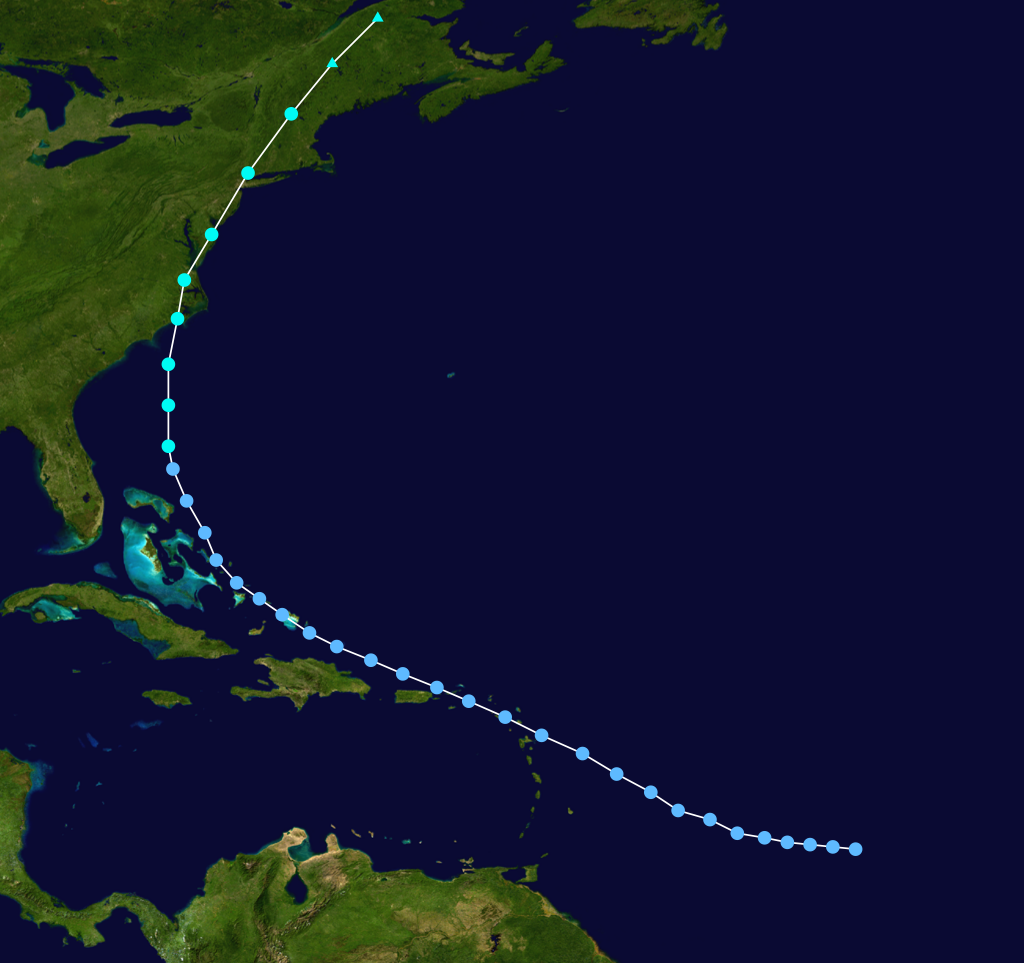
Overview: Tropical Storm Doria was a notable Atlantic tropical cyclone of August 1971. Forming on August 20 in the east-central Atlantic, the system moved near several Caribbean islands before tracking northward along the United States coastline. Doria caused coastal and inland impacts across multiple states and was the costliest tropical system of the 1971 season in terms of insured and estimated losses. For broader seasonal context see Atlantic hurricane season.
Image gallery
6 Images




Origins and track
Doria developed in the open ocean in mid to late August, with the initial circulation appearing in the east-central Atlantic. It formed near the chain known as the Leeward Islands and moved just north of the Virgin Islands and Puerto Rico. After passing the northeastern Caribbean, the storm turned toward the northwest and then north, following a course that paralleled the East Coast of the United States for several days.
Landfalls and meteorological characteristics
Doria made landfall in the southeastern United States as a tropical storm rather than a hurricane. The most significant U.S. landfall occurred in North Carolina near Morehead City, where recorded winds reached about 65 miles per hour. Rainfall totals in parts of the state reached near five inches, producing localized flooding and pockets of wind damage.
Impacts and damages
Farther north, Doria’s rainbands and embedded thunderstorms produced damaging weather across the Mid-Atlantic. In Virginia an F1 tornado was associated with the storm’s outer bands; the tornado affected communities near Portsmouth, Norfolk and Chesapeake, damaging a number of homes and causing roughly $250,000 in direct tornado-related loss. The cyclone also brought heavy rain and gusty conditions to areas including New York City and parts of western New England, producing additional flooding and infrastructure impacts.
Across its U.S. path and adjacent coastal waters, Tropical Storm Doria was responsible for seven fatalities and total damage estimated at approximately $147.6 million. Impacts ranged from localized coastal flooding and wind damage to tornado destruction of isolated residential areas.
Aftermath and notable facts
Doria is often cited in regional storm histories for its northward track and for producing both widespread rain and a notable tornado event away from the storm’s center. As a strong tropical storm rather than a hurricane, Doria illustrates how systems below hurricane strength can still cause significant economic loss and life-threatening weather, particularly through flooding and embedded severe thunderstorms.
Further reading
- Season overview and summaries
- Atlantic basin analyses
- Leeward Islands climatology
- Virgin Islands weather records
- Puerto Rico tropical cyclone history
- U.S. East Coast storm guidance
- North Carolina storm impacts
- Virginia severe weather reports
- Tornado intensity scales
- Portsmouth local reports
- Norfolk storm summaries
- Chesapeake area effects
- New York City rainfall and flooding
- New England regional impacts
Related articles
Author
AlegsaOnline.com Tropical Storm Doria (August 1971) Leandro Alegsa
URL: https://en.alegsaonline.com/art/101699
Sources
- wpc.ncep.noaa.gov : "Virginia Hurricane History" · web.archive.org