
Tropical Storm Gordon (2018)
A brief account of Tropical Storm Gordon, which formed in early September 2018, crossed southern Florida, moved into the Gulf of Mexico, and prompted coastal warnings across the northern Gulf Coast.
Tropical Storm Gordon was a tropical cyclone that developed in the Atlantic basin in early September 2018. First identified on September 1, it tracked westward across warm waters and brought organized convection and tropical-storm–force winds as it approached the southeastern United States. Forecasters monitored its movement closely because of the potential for intensification and impacts along the Gulf Coast.
Image gallery
7 Images


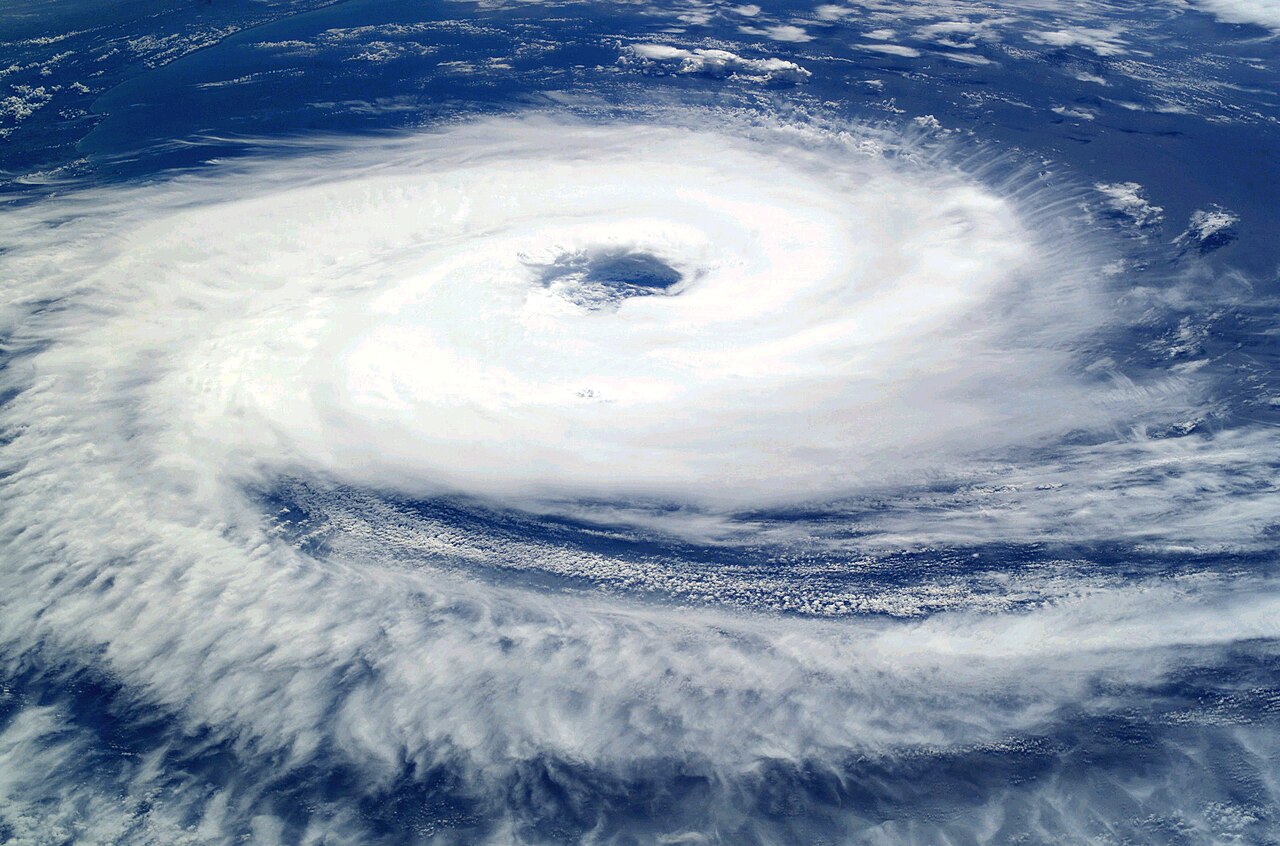


Meteorological history
The system that became Gordon formed in the western Atlantic on September 1, 2018. It moved generally westward and crossed over southern Florida on September 3, passing near Key Largo and Miami. After crossing the peninsula, Gordon entered the Gulf of Mexico later the same day, where warm sea surface temperatures and atmospheric conditions were monitored for further strengthening. At the time, the system was classified as a tropical cyclone, a term covering tropical depressions, storms, and hurricanes.
Warnings, expectations, and preparations
Authorities issued tropical storm and hurricane watches and warnings along parts of the northern Gulf Coast, extending from southeast Louisiana to the Florida Panhandle. Forecasts indicated that Gordon had the potential to intensify before reaching the United States Gulf Coast, prompting local emergency management agencies and residents to prepare for heavy rain, gusty winds, and the possibility of dangerous coastal conditions.
Impacts and typical hazards
Even when a system remains below hurricane strength, its hazards can include flooding rainfall, localized storm surge, coastal erosion, and damaging wind gusts. Communities in a storm's path are typically advised to secure property, follow evacuation guidance for vulnerable areas, and expect disruptions to power and transportation. Shipping, offshore operations, and beach activities are often curtailed until conditions improve.
Context and notable facts
The name "Gordon" has been used repeatedly for Atlantic tropical cyclones under the World Meteorological Organization's naming lists; names are retired only when storms are exceptionally destructive. Gordon (2018) is one example of a late-summer system that tested forecasting and preparedness across Florida and the northern Gulf region. For technical updates and official advisories, consult primary meteorological agencies and local emergency managers.
- Formation: Early September 2018.
- Crossing: Southern Florida near Key Largo and Miami on September 3.
- After passage: Entered the Gulf of Mexico; warnings issued from southeast Louisiana to the Florida Panhandle.
Questions and answers
Q: When did Tropical Storm Gordon occur?
A: Tropical Storm Gordon occurred in early September 2018.
Q: When did the storm develop?
A: The storm developed on September 1, 2018.
Q: Which areas did Gordon cross over in Florida?
A: Gordon crossed over southern Florida near Key Largo and Miami.
Q: Where did Gordon go after crossing over southern Florida?
A: Gordon went into the Gulf of Mexico later that day.
Q: Were warning put in effect for Tropical Storm Gordon?
A: Yes, tropical storm and hurricane warnings were put in effect from southeast Louisiana to the Florida Panhandle.
Q: Was Gordon expected to become a hurricane?
A: Yes, Gordon was expected to become a hurricane before moving onto the United States Gulf Coast.
Q: What was the path of Tropical Storm Gordon?
A: Tropical Storm Gordon crossed over southern Florida near Key Largo and Miami, then went into the Gulf of Mexico and was expected to move onto the United States Gulf Coast.
Related articles
Author
AlegsaOnline.com Tropical Storm Gordon (2018) Leandro Alegsa
URL: https://en.alegsaonline.com/art/101709
Sources
- telegraph.co.uk : Storm Gordon to Hit U.S. Gulf Coast as Hurricane
- foxnews.com : Tropical Storm Gordon Threatens Gulf Coast, Hurricane Warning in Place