
Tropical Storm Gabrielle (2007)
Overview of Tropical Storm Gabrielle (2007): its formation as a subtropical cyclone, brief intensification to a tropical storm, landfall in eastern North Carolina, impacts, and dissipation.
Overview
Tropical Storm Gabrielle was the seventh named storm of the 2007 Atlantic hurricane season. It originated in early September and moved over eastern North Carolina before turning back out to sea. Gabrielle is notable for forming as a subtropical system and briefly acquiring tropical characteristics before weakening and dissipating a few days later. The storm produced locally heavy rainfall near its point of landfall but caused relatively minor damage and no reported fatalities.
Image gallery
7 Images



Meteorological history and characteristics
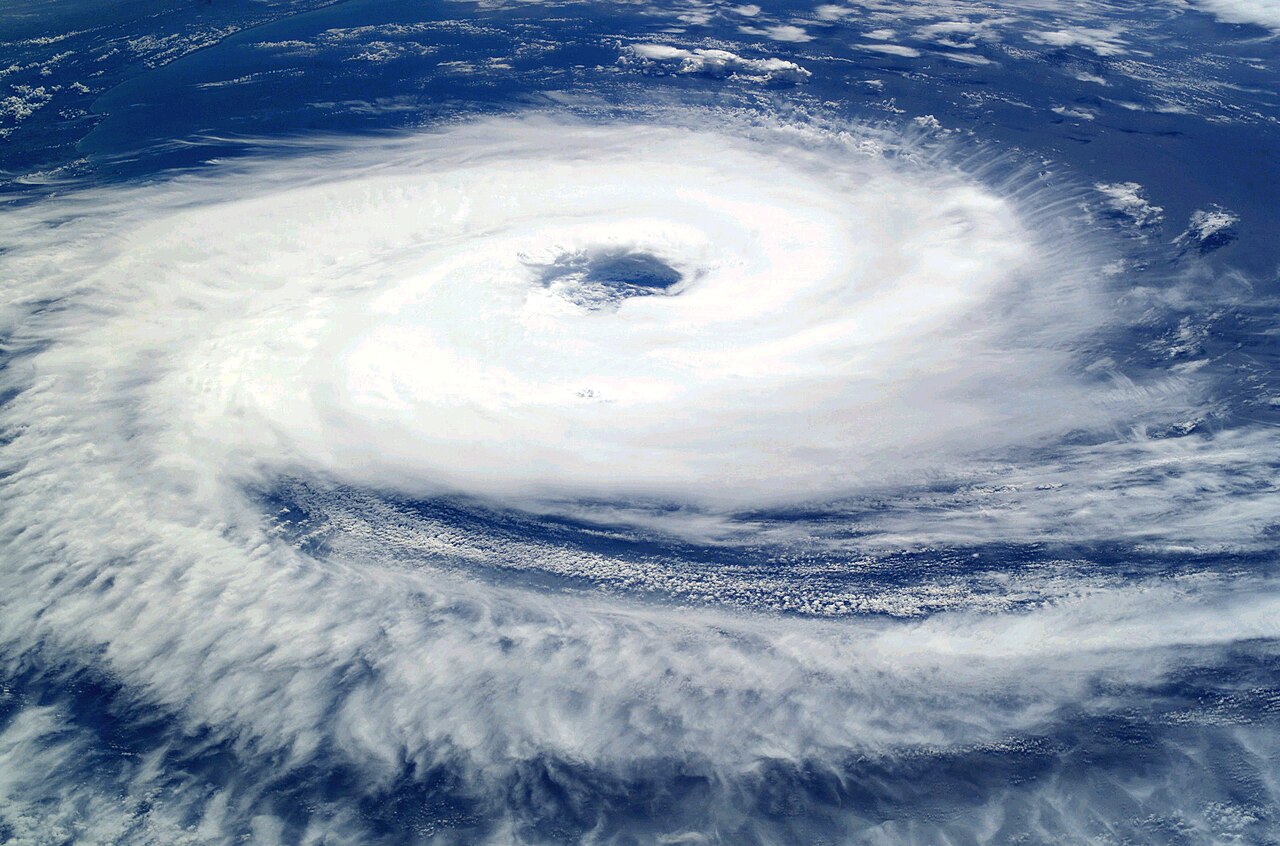
Gabrielle first developed as a subtropical cyclone on September 8, about 385 miles (625 km) southeast of Cape Lookout, North Carolina. Subtropical cyclones typically feature a mix of tropical and extratropical characteristics, including a broad wind field and convection displaced from the center; in Gabrielle's case a transient consolidation of convection led to reclassification as a tropical storm. Throughout most of its lifetime Gabrielle was affected by vertical wind shear, which inhibited steady intensification. A temporary reduction in shear allowed the system to strengthen briefly and show more tropical structure before encountering less favorable conditions again.
Track, landfall and dissipation
The system tracked northwestward toward the U.S. East Coast and reached the coast of North Carolina on September 9. Forecasters recorded the transition from subtropical to tropical prior to or near this approach. After moving over the eastern portion of the state the storm recurved to the northeast and moved back over open water. Gabrielle weakened rapidly as it encountered cooler sea surface temperatures and increased shear, and it dissipated by September 11.
Impacts and local effects
Gabrielle produced its most noticeable effects close to the coast where it made landfall. Heavy rainfall fell in localized areas, leading to short-lived flooding and minor coastal impacts. Elsewhere along the mid-Atlantic and New England coast the storm brought only modest increases in surf and rainfall totals. Overall damage from the storm has been described as minor, and there were no confirmed deaths associated with Gabrielle.
Context and notable aspects
As the seventh named storm of the 2007 season, Gabrielle exemplified a pattern in which shear and mid-latitude influences can limit tropical cyclone development in early September. Its subtropical-to-tropical transition illustrates how systems over relatively cool or marginal waters can briefly acquire tropical characteristics when convection becomes sufficiently organized. Gabrielle's short duration and limited impacts contrast with more destructive storms of the season, but it served as a reminder of how rapidly small coastal systems can change in character.
Further reading and data sources
For meteorological summaries and official post-storm analyses consult national and regional tropical cyclone reports and archives. General background on tropical and subtropical cyclones is available from many educational sources. See entries on tropical storms, the 2007 Atlantic hurricane season, and information specific to North Carolina. For definitions and dynamics of transitional systems see pages on subtropical cyclones and wind shear, and for details about Gabrielle's approach and landfall consult summaries noting its landfall and coastal effects.
Questions and answers
Q: What is Storm Gabrielle?
A: Storm Gabrielle was a tropical storm that occurred during the 2007 Atlantic hurricane season.
Q: Where did Storm Gabrielle move over before turning out to the sea?
A: Storm Gabrielle moved over eastern North Carolina before turning out to sea.
Q: When did Storm Gabrielle form and where did it form?
A: Storm Gabrielle formed as a subtropical cyclone on September 8. It formed about 385 miles southeast of Cape Lookout, North Carolina.
Q: What affected the Storm for much of its existence?
A: Wind shear affected the Storm for much of its existence.
Q: When did Storm Gabrielle reach the coast of North Carolina?
A: Storm Gabrielle reached the coast of North Carolina on September 9.
Q: Did the storm die out on the same day that it reached the coast of North Carolina?
A: No, the Storm weakened and died out on September 11.
Q: What was the total damage caused by the storm?
A: The total damage caused by the storm was minor. No deaths were reported, and it dropped heavy rainfall only near where it reached land but little rain in other areas.
Related articles
Author
AlegsaOnline.com Tropical Storm Gabrielle (2007) Leandro Alegsa
URL: https://en.alegsaonline.com/art/101707
Sources
- nhc.noaa.gov : "Subtropical Storm Gabrielle Discussion One"
- nhc.noaa.gov : "Subtropical Storm Gabrielle Discussion Two"
- nhc.noaa.gov : "Subtropical Storm Gabrielle Discussion Three"
- nhc.noaa.gov : "Tropical Storm Gabrielle Discussion Four"
- nhc.noaa.gov : "Tropical Storm Gabrielle Discussion Five"
- nhc.noaa.gov : "Tropical Storm Gabrielle Discussion Nine"
- nhc.noaa.gov : "Tropical Storm Gabrielle Discussion Ten"
- nhc.noaa.gov : "Tropical Depression Gabrielle Discussion Eleven"
- nhc.noaa.gov : "Tropical Depression Gabrielle Discussion Fourteen"
- nhc.noaa.gov : "Tropical Depression Gabrielle Discussion Sixteen"
- atl.ec.gc.ca : "Post-Tropical Depression Gabrielle Information Statement on September 11, 2007"
- nhc.noaa.gov : "Subtropical Storm Gabrielle Public Advisory One"
- nhc.noaa.gov : "Subtropical Storm Gabrielle Public Advisory Three"
- newsobserver.com : "Eastern N.C. awaits Gabrielle"
- usatoday.com : "Tropical Storm Gabrielle makes landfall on Outer Banks"