
Tropical Storm Olga (2007)
A late-season subtropical storm that formed in December 2007, struck Hispaniola and caused deadly flooding in Puerto Rico, the Dominican Republic and Haiti before dissipating.
Overview
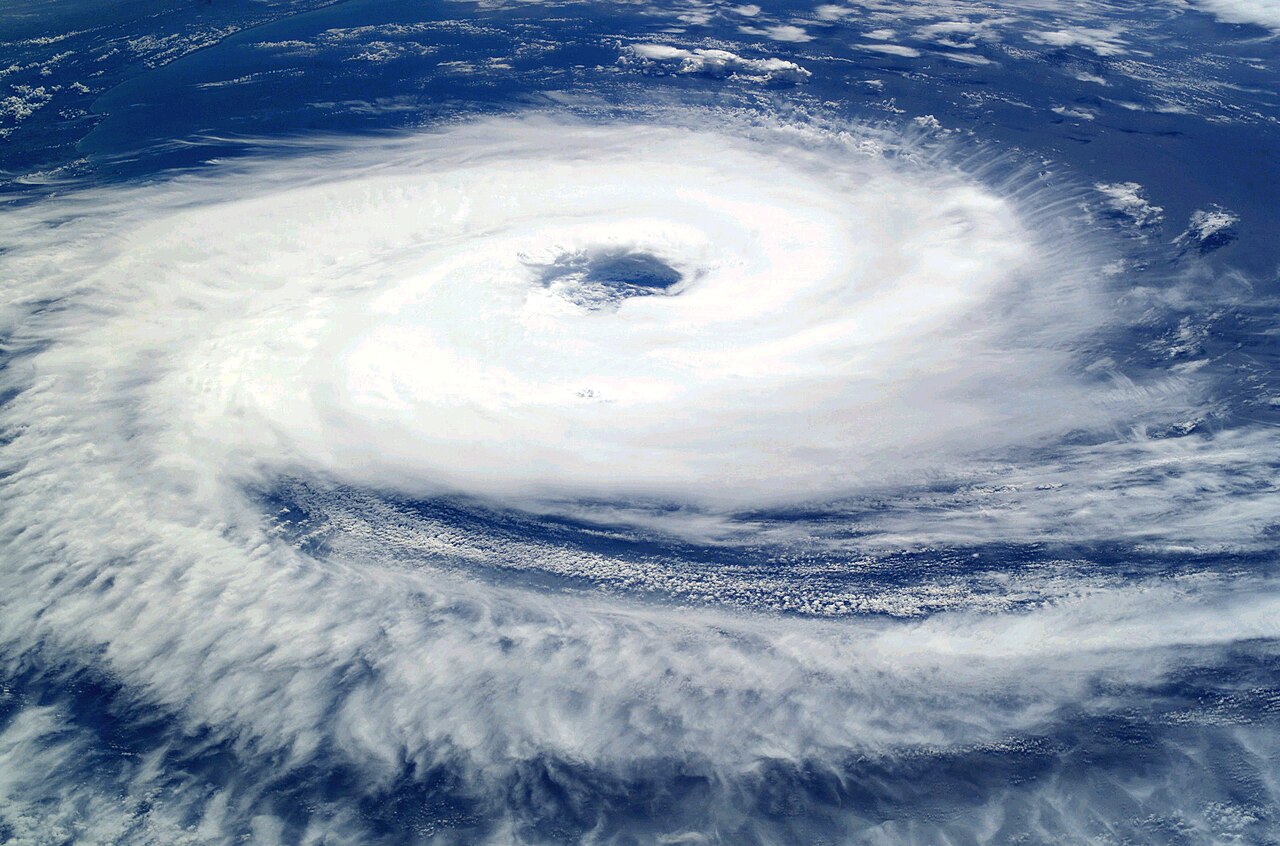
Tropical Storm Olga was the fifteenth named storm of the 2007 Atlantic hurricane season. It developed in early December, after the official hurricane season had ended, and initially had subtropical characteristics before transitioning to a tropical cyclone. Olga produced heavy rains and flooding across Puerto Rico, the Dominican Republic and Haiti, resulting in multiple fatalities and widespread disruption.
Image gallery
7 Images



Meteorological history
In the second week of December a low-pressure area formed east of the northern Lesser Antilles and slowly acquired subtropical features. Late on December 10, the National Hurricane Center classified the system as Subtropical Storm Olga while it was located just north of Puerto Rico. During its passage, the system made landfall on the eastern side of the Dominican Republic on December 11. Shortly after landfall the cyclone lost its subtropical characteristics and was reclassified as a tropical storm as it tracked across Hispaniola and into the Caribbean Sea. Unfavorable environmental conditions — including interaction with land and increasing wind shear — caused Olga to weaken into a remnant low early on December 13 and dissipate thereafter. For official chronology and advisories see 2007 season summary and archived advisories here.
Impacts
Olga struck areas that had recently been affected by other storms, compounding recovery challenges. Heavy rainfall triggered flash flooding, mudslides and infrastructure damage across the northeastern Caribbean. In Puerto Rico, moderate but persistent rains were linked to at least one death and local flooding. The Dominican Republic experienced the greatest loss of life: 37 fatalities were confirmed, including about twenty deaths associated with the sudden release of floodgates at a dam in Santiago Province. Haiti also reported multiple deaths related to flooding and landslides. Reports and situational summaries are available from regional sources here and here.
Aftermath and response
Emergency services in the affected countries carried out search, rescue and evacuation efforts following the storm. Local authorities and aid groups focused on restoring transportation links, clearing debris, and providing shelter and medical assistance to displaced people. The timing of Olga — occurring after the official season — complicated logistics because many preparedness operations had been scaled back. International and regional aid organizations issued situation reports and assistance notices; see example notices here and here.
Significance and notable facts
Olga was notable as a post-season storm: it was the first Atlantic storm to form after the season's end since Tropical Storm Zeta in 2005. Its subtropical-to-tropical transition and rapid evolution near land illustrate the challenges of forecasting hybrid cyclones at the margins of the season. Olga highlighted how late-season systems can produce significant rainfall and humanitarian impacts even when maximum winds are not extreme. Further analyses and post-storm reports can be consulted through meteorological archives and regional assessments here, here, here and here.
- Formation: early December, east of the northern Lesser Antilles
- Classification: subtropical at first, later tropical
- Landfall: eastern Dominican Republic (December 11)
- Outcome: remnant low by December 13; heavy rain and flooding affected multiple islands
Questions and answers
Q: What was the name of the fifteenth named storm of the 2007 Atlantic hurricane season?
A: The fifteenth named storm of the 2007 Atlantic hurricane season was Tropical Storm Olga.
Q: When did Subtropical Storm Olga form?
A: Subtropical Storm Olga formed in the second week of December, after the end of the hurricane season, east of the northern Lesser Antilles.
Q: When did it turn into a tropical storm?
A: It turned into a tropical storm just after making landfall on December 11 on the eastern side of the Dominican Republic.
Q: Where did it make landfall?
A: Tropical Storm Olga made landfall on December 11 on the eastern side of the Dominican Republic.
Q: How many fatalities were reported in Puerto Rico due to Tropical Storm Olga?
A: In Puerto Rico, one death was reported due to moderate rainfall caused by Tropical Storm Olga.
Q: How many fatalities were reported in Haiti due to Tropical Storm Olga?
A: Two deaths were reported in Haiti due to Tropical Storm Olga.
Q: How many fatalities were reported in Dominican Republic due to Tropical Storm Olga? A: 37 fatalities were confirmed in Dominican Republic due to Tropical Storm Olga, including twenty deaths due to release floodgates at a dam in Santiago Province.
Related articles
Author
AlegsaOnline.com Tropical Storm Olga (2007) Leandro Alegsa
URL: https://en.alegsaonline.com/art/101726
Sources
- hpc.ncep.noaa.gov : "Rainfall Summary for Tropical Storm Olga"
- nhc.noaa.gov : "Subtropical Storm Olga Discussion One"
- nhc.noaa.gov : "Subtropical Storm Olga Discussion Two"
- nhc.noaa.gov : "Subtropical Storm Olga Discussion Four"
- nhc.noaa.gov : "Tropical Storm Olga Public Advisory Four-A"
- nhc.noaa.gov : "Tropical Storm Olga Discussion Seven"
- nhc.noaa.gov : "Tropical Storm Olga Discussion Eight"
- nhc.noaa.gov : "Tropical Depression Olga Discussion Nine"
- nhc.noaa.gov : "Subtropical Storm Olga Public Advisory One"
- nhc.noaa.gov : "Subtropical Storm Olga Public Advisory Three"
- nhc.noaa.gov : "Subtropical Storm Olga Public Advisory Four" · webcitation.org