
Tropical Storm Alberto (1988)
Tropical Storm Alberto was the first named storm of the 1988 Atlantic season, forming unusually far north and moving rapidly northeast; it produced only light rain and wind and caused no reported damage.
Overview
Tropical Storm Alberto formed in early August 1988 and was the first named storm of that year's Atlantic hurricane season. The system developed from a region of low pressure off the coast of South Carolina on August 5 and moved quickly northeastward over cooler North Atlantic waters. It reached tropical-storm strength on August 7 while located unusually far to the north for Atlantic tropical cyclogenesis, then continued rapidly toward Atlantic Canada. Alberto brought only light rain and gusty winds along its path and was not associated with any reported damage or fatalities.
Image gallery
10 Images
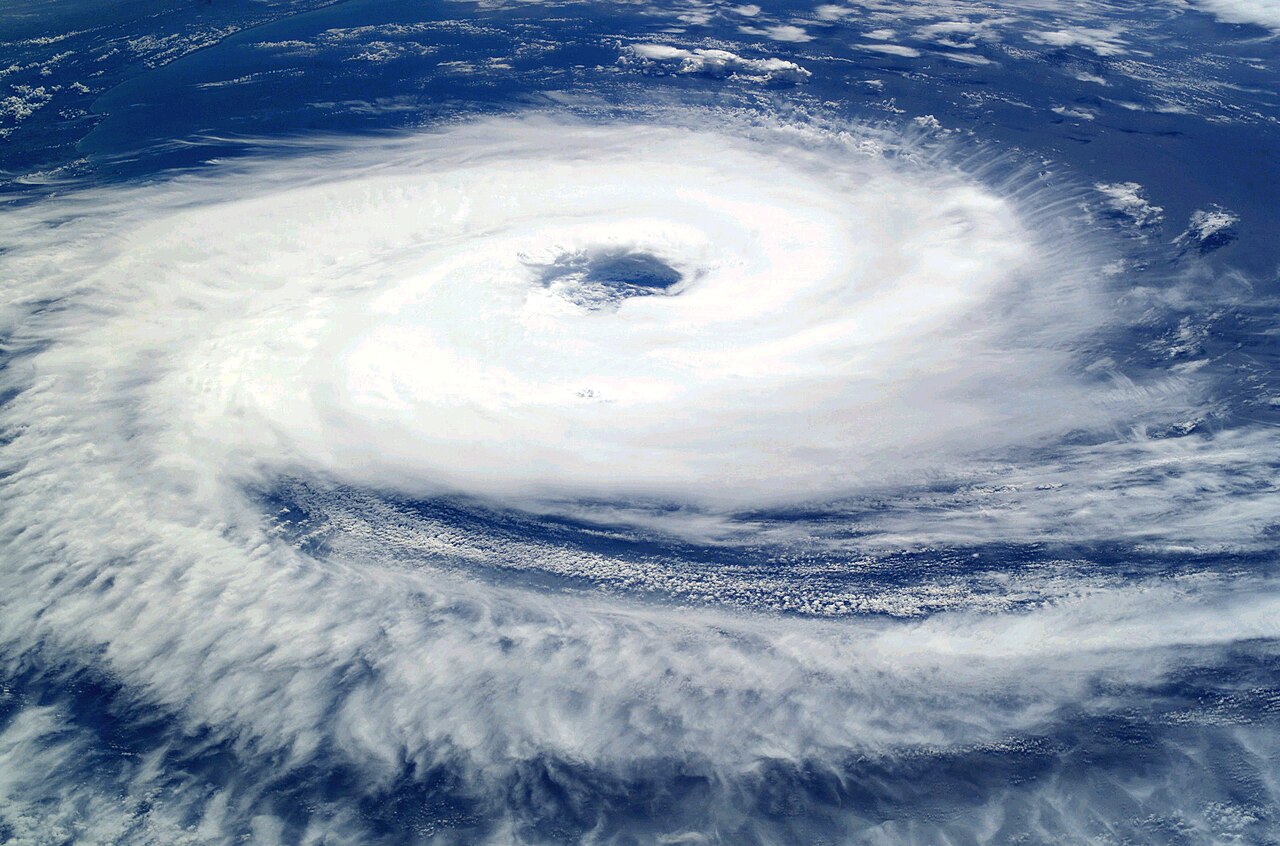


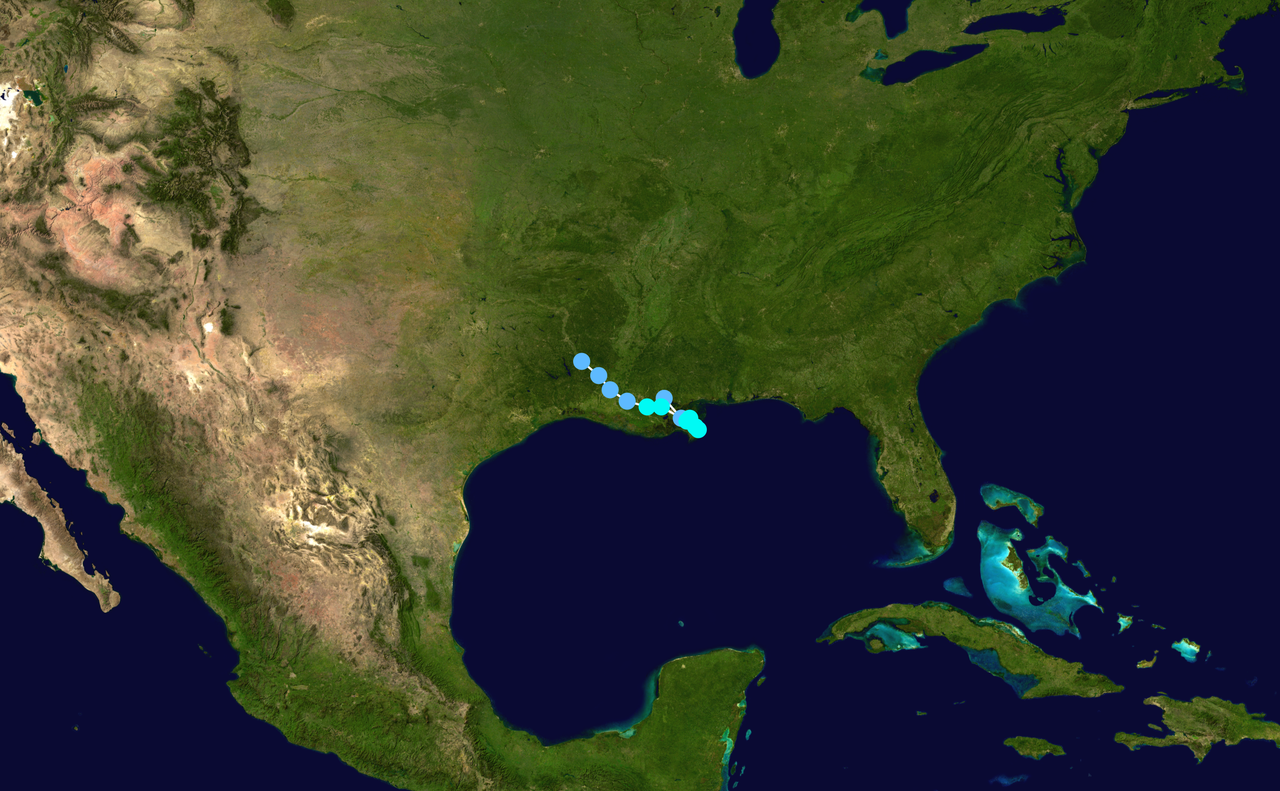
Meteorological characteristics
Alberto was a compact and fast-moving system. Unlike typical tropical cyclones that develop over very warm tropical waters, this storm strengthened in a higher-latitude environment where sea-surface temperatures and atmospheric conditions are generally less favorable. Such systems often have a limited window of tropical organization before encountering cooler water and stronger wind shear. Alberto remained at tropical-storm intensity during its brief tropical phase and subsequently underwent extratropical transition as it merged with mid-latitude features farther north.
Track and timeline
According to contemporary analyses, the disturbance that became Alberto was first identified on August 5 as a low-pressure area off the South Carolina coast. The system accelerated northeast and was classified as a tropical storm on August 7, at a position approximately 60 miles (95 km) east of the Massachusetts island of Nantucket. Later that day it affected western Nova Scotia before moving northward; by August 8 it had lost its tropical characteristics north of Newfoundland. The whole tropical phase of Alberto was brief compared with longer-lived Atlantic hurricanes.
Impacts and response
Impacts from Alberto were minimal. Observations along its track reported only light rainfall and modest winds, with no significant coastal flooding or structural damage documented in official summaries. Because of its rapid motion and weak intensity, the storm posed more of a cautionary concern to mariners than a major land hazard. As with other high-latitude tropical cyclones, local authorities and marine services would typically issue advisories or warnings for shipping and coastal areas while monitoring the storm's progress.
Significance and notable facts
Alberto is of meteorological interest largely because of the latitude at which it attained tropical-storm strength. Tropical cyclogenesis so far north is uncommon in the Atlantic basin, and events like Alberto highlight the role of synoptic-scale features and transitional processes in producing hybrid or short-lived tropical systems. Within the context of the 1988 season, Alberto is remembered as the initial named storm and as an example of a tropical cyclone that formed and dissipated quickly outside the more typical tropical latitudes.
Further reading and sources
- Storm formation summary
- Northerly tropical cyclogenesis notes
- 1988 Atlantic hurricane season overview
- Surface low analyses
- Coastal observations near South Carolina
- August 5 synoptic chart
- Tropical storm designation timeline (August 7)
- Nantucket proximity report
- Local island weather observations
- Nova Scotia landfall description
- Extratropical transition north of Newfoundland
- Rain and wind reports along the storm track
Related articles
Author
AlegsaOnline.com Tropical Storm Alberto (1988) Leandro Alegsa
URL: https://en.alegsaonline.com/art/101670