
Nantucket: island community, history, and natural features
Nantucket is an island town off Cape Cod, Massachusetts, known for its whaling heritage, preserved historic downtown, summer tourism, and protected coastal landscapes.
Overview
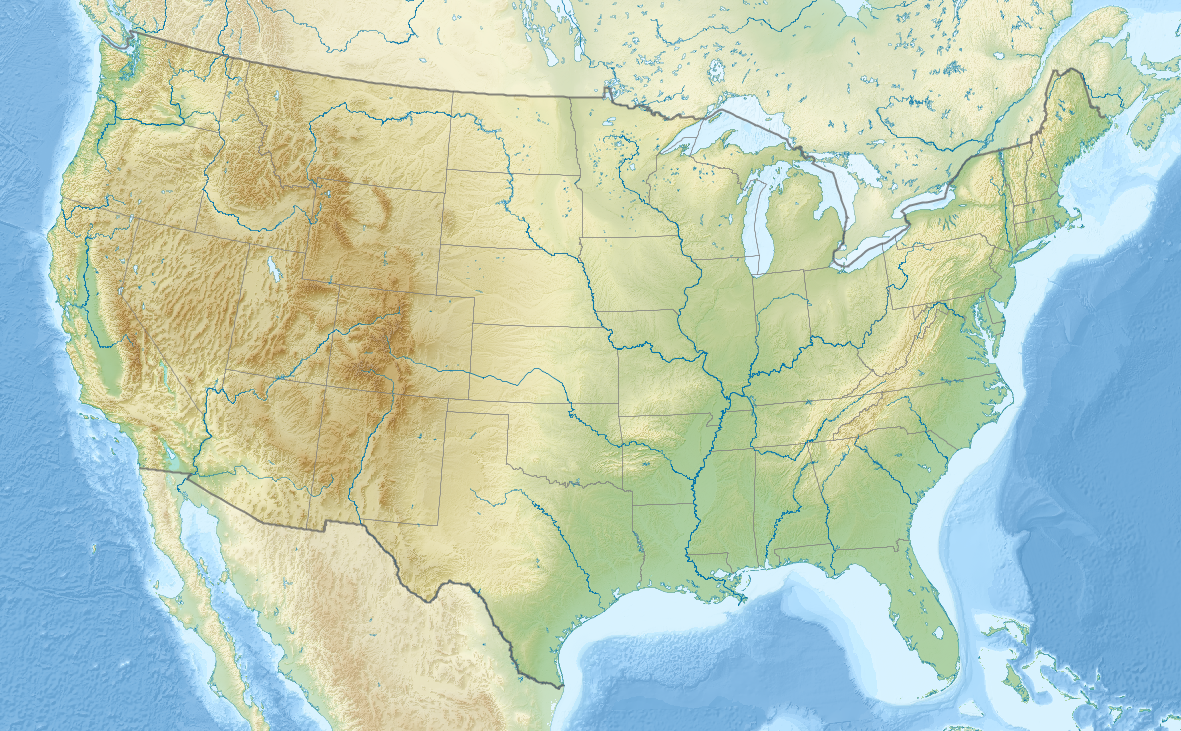
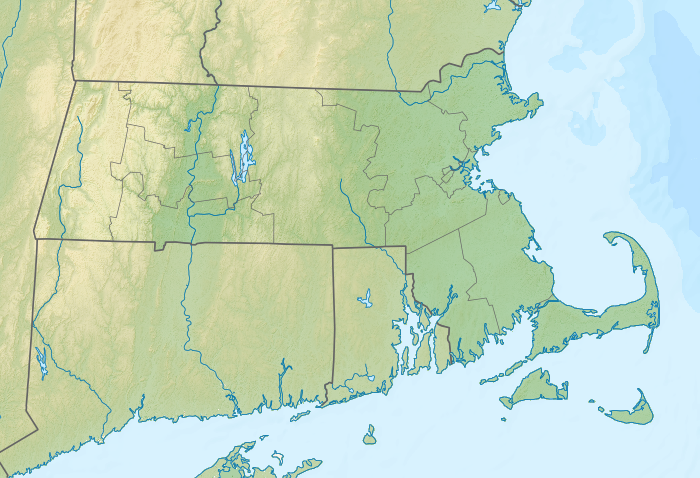
Nantucket is an island located roughly 30 miles south of Cape Cod, in the state of Massachusetts, United States (United States). It functions as a single municipal entity covering the island and several nearby islets. The island is widely known for its compact historic town, characteristic wood-shingled houses, and a long summer season that draws visitors for beaches, boating and cultural events.
Image gallery
10 Images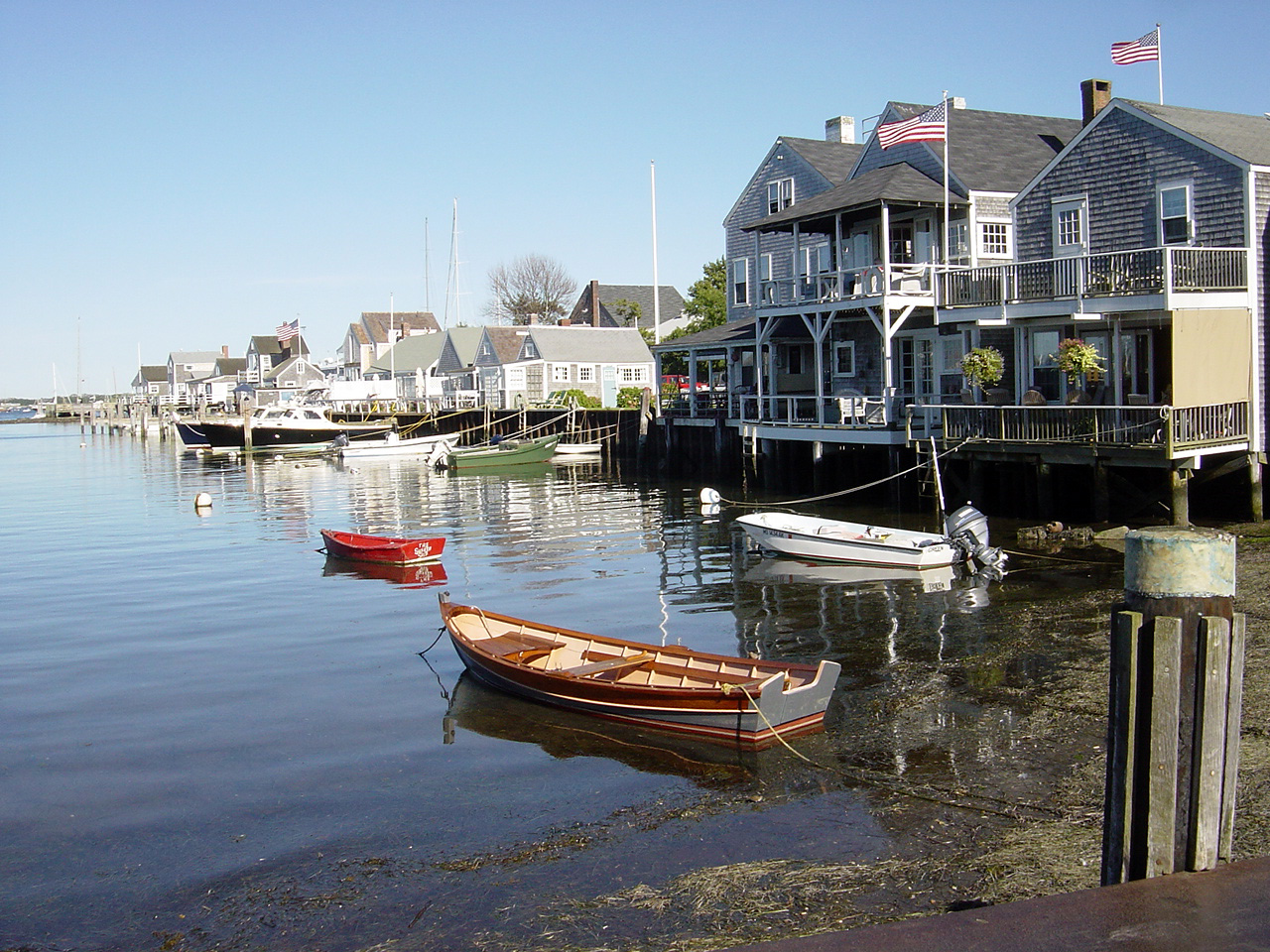



Geography and landscape
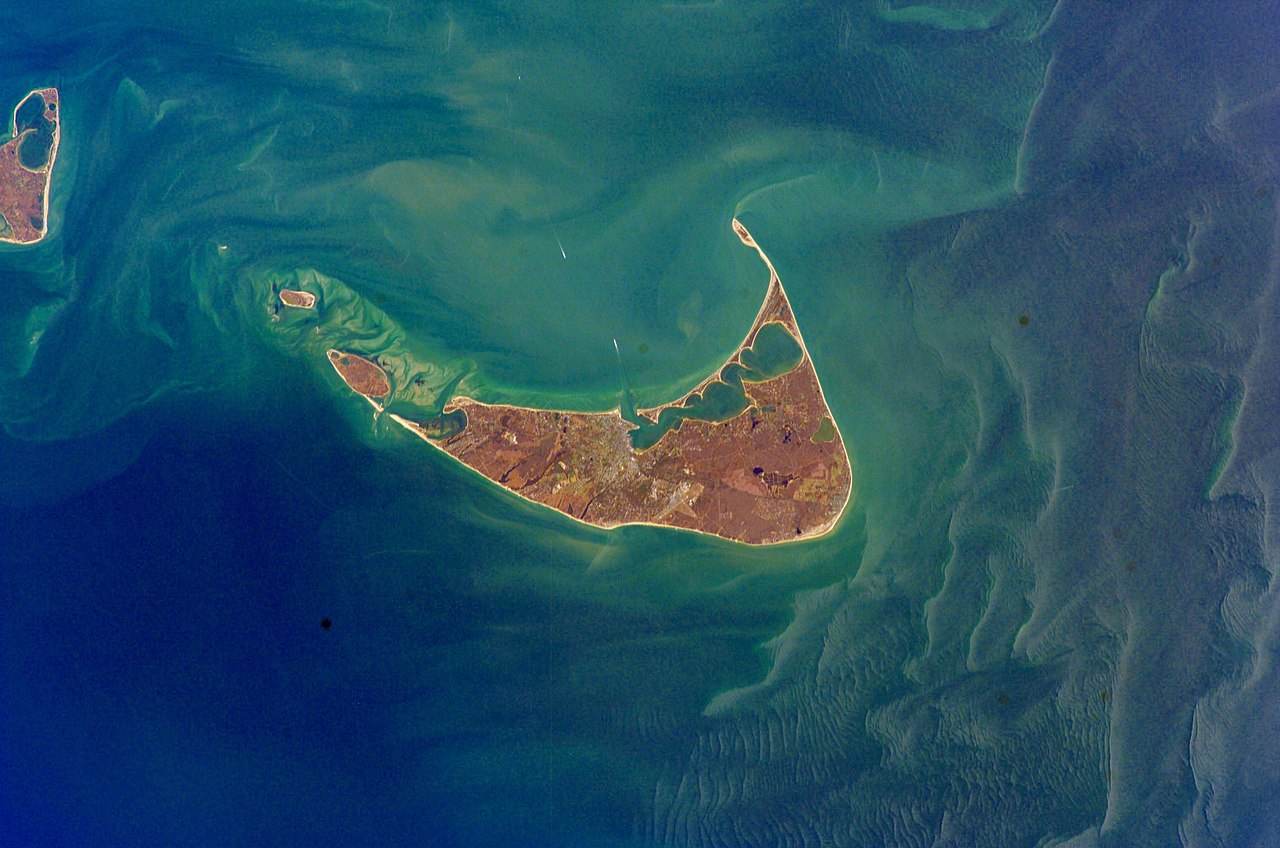
Nantucket occupies a glacially formed landscape of sandy soil, dunes, salt marshes and heathland. Much of the island's coastline faces the Atlantic Ocean, while Nantucket Sound lies between the island and the Massachusetts mainland. Natural features include barrier beaches, tidal flats, and few remaining freshwater ponds. Wind and sea shape the shorelines, creating distinctive dunes and shifting channels along parts of the coast.
History and development
Nantucket rose to prominence in the 18th and 19th centuries as one of the world's leading whaling ports; shipbuilding, global voyages and related industries transformed the island's economy. After the decline of whaling, the community shifted toward preservation and tourism. The old town retains many historic buildings, and a strong local preservation ethic has helped protect streetscapes and traditional architecture. Notable historical figures associated with the island include maritime entrepreneurs and scholars.
Travel, economy and community life
Today the local economy combines year-round residents with a large seasonal influx of visitors. The island is reached by ferry and by air, with regular services connecting Nantucket to Cape Cod and mainland cities. Tourism, hospitality, artisanal crafts, fishing and conservation work are important economic elements. Summer events, local galleries, and culinary offerings contribute to a busy seasonal calendar, while quieter winters support a distinct year-round community.
Natural environment and conservation
Nantucket supports coastal ecosystems important for shorebirds, seals and marine life. Local conservation organizations and government programs manage dunes, protect nesting habitats, and maintain walking trails to balance public access with habitat protection. The island's exposed position makes it sensitive to storms, erosion and sea-level changes, which are ongoing concerns for residents and planners.
Points of interest
- The historic downtown and harbor, with cobbled streets and preserved 18th- and 19th-century architecture.
- Maritime and whaling museums that interpret the island's seafaring past.
- Scenic spots such as long public beaches, lighthouse points and seaside villages.
- Local cultural traditions, artisan shops and seasonal festivals celebrating island life.
Whether approached as a subject of maritime history, coastal ecology, or a popular summer destination, Nantucket illustrates how a small island community combines preservation, livelihood and natural stewardship in a changing coastal environment.
Related articles
Author
AlegsaOnline.com Nantucket: island community, history, and natural features Leandro Alegsa
URL: https://en.alegsaonline.com/art/68279