
Tropical Storm Bret (1993)
A deadly tropical storm in early August 1993 that produced heavy rains, flooding and landslides across northern South America and parts of Central America, causing nearly 200 deaths and widespread damage.
Overview
Tropical Storm Bret was a powerful tropical storm in early August 1993 that struck parts of northern South America and eastern Central America. It never reached hurricane strength, with maximum sustained winds near 60 miles per hour, but its greatest hazard was intense rainfall over vulnerable coastal and mountainous regions. The storm produced extensive flooding and landslides that resulted in significant loss of life and damage to homes, infrastructure and agriculture.
Image gallery
6 Images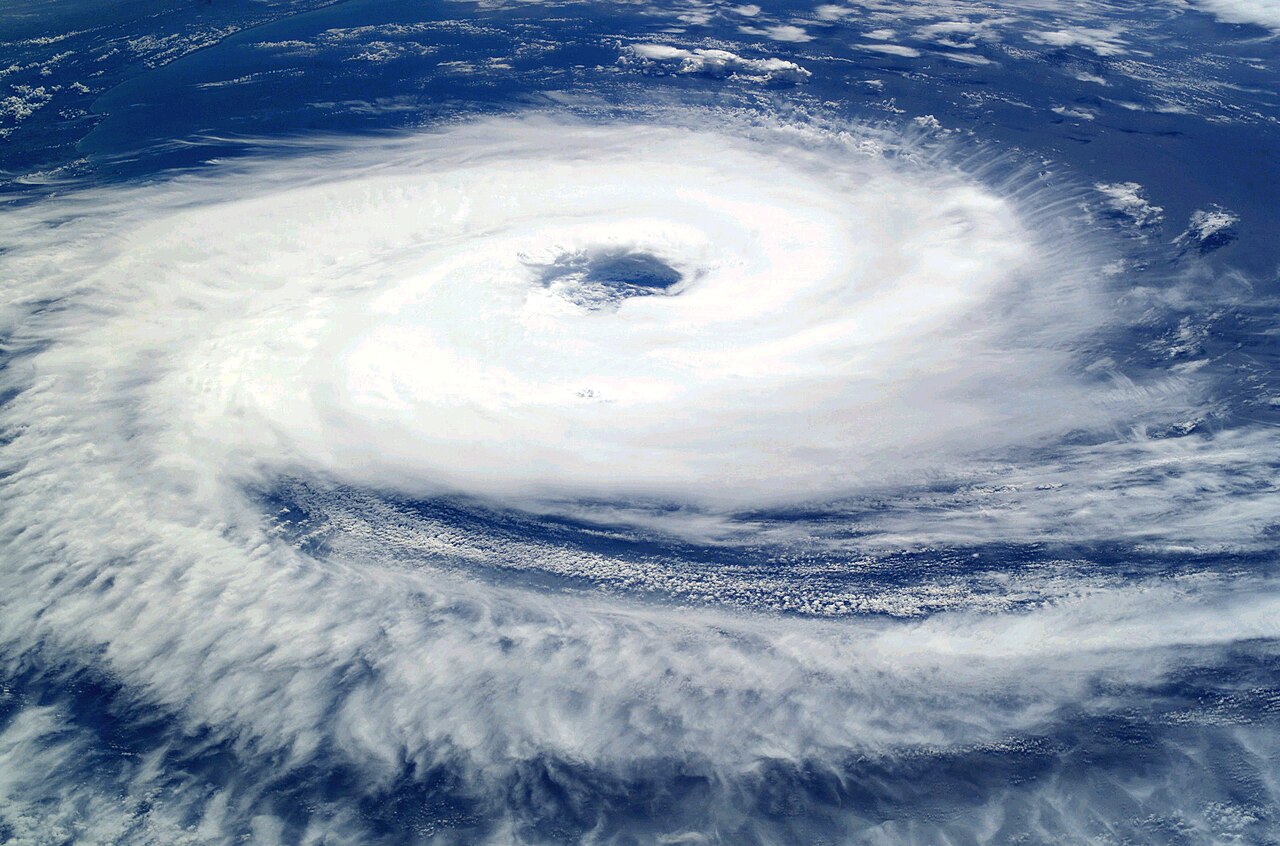


Meteorological characteristics
Bret was classified as a tropical storm rather than a hurricane, meaning sustained winds remained below hurricane threshold. Tropical storms like Bret typically generate heavy convective rainfall, strong gusts, localized storm surge along low-lying coasts, and hazardous sea conditions. In this case, slow movement and interaction with terrain amplified rainfall totals in some areas, increasing the risk of flash floods and slope failures.
Path and affected areas
The system crossed parts of the southern Caribbean, affecting countries along the northern coast of South America before moving into Central America. It produced destructive impacts in Venezuela, Colombia and portions of eastern Nicaragua where coastal and riverine flooding occurred. Local geography—steep river valleys and densely populated coastal plains—contributed to rapid inundation and dangerous mudslides.
Impacts and human cost
Although wind speeds did not reach hurricane force, Bret's rains triggered catastrophic flooding and landslides that caused most of the fatalities. Estimates place the death toll at nearly two hundred people, with many communities left cut off by washed-out roads and damaged bridges. Agricultural losses, destroyed homes and interruptions to water and power supplies compounded the humanitarian toll.
Aftermath, response and lessons
Relief efforts after Bret involved national authorities and international assistance to restore access, provide emergency shelter and address public health risks. The storm highlighted chronic vulnerabilities in low-income coastal and mountainous areas, underscoring the need for improved early warning, better land-use planning, and infrastructure designed to withstand intense rainfall. Bret is often noted in storm records as the deadliest Atlantic tropical cyclone of the 1993 season.
Notable distinctions
- Bret (1993) remained a tropical storm but caused high casualties mainly through flooding and landslides rather than wind.
- It should not be confused with later cyclones that used the same name; different seasons can reuse names if they are not retired.
- Contemporary reports and post-storm assessments emphasized how storm impacts are governed as much by rainfall and topography as by peak wind speed.
For additional historical and meteorological context, see regional summaries and season reports linked by national weather agencies and international disaster databases (further reading).
Related articles
Author
AlegsaOnline.com Tropical Storm Bret (1993) Leandro Alegsa
URL: https://en.alegsaonline.com/art/101688