
Tropical Storm Ana (2003): an uncommon Atlantic April cyclone
Tropical Storm Ana formed in April 2003 west of Bermuda as a subtropical cyclone, transitioned to a tropical storm, and became extratropical on April 24. It produced light rain, rough seas, and two fatalities.
Overview: Tropical Storm Ana was an unusual early-season North Atlantic system that developed in April 2003. It is notable for being the only cyclonic storm on record in the Atlantic Ocean operating as a named system in April. Ana began life as a non-tropical low that acquired subtropical characteristics before becoming a warm-core tropical storm, then later lost tropical characteristics and became extratropical.
Image gallery
10 Images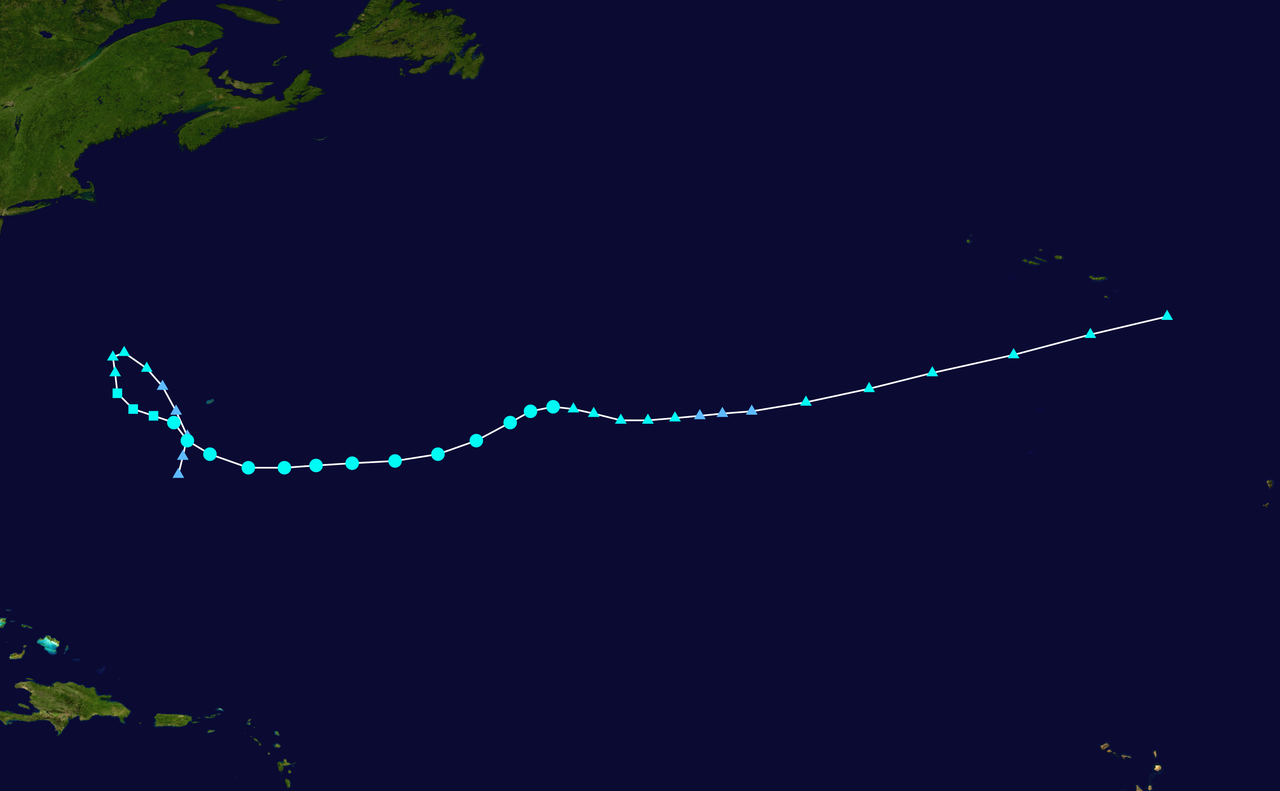


Meteorological history
A broad low-pressure area formed to the west of Bermuda and was classified initially as a subtropical cyclone on April 20. The system gradually organized, developing deeper convection and a smaller radius of maximum winds. On April 21 the subtropical system transitioned into a true tropical cyclone with a consolidated core. Ana tracked generally eastward to east-northeastward before encountering increasing vertical wind shear and interacting with a nearby cold front. These factors weakened the storm and by April 24 it had become an extratropical cyclone, completing a short lifecycle typical of early-season systems that form outside the climatological peak.
Characteristics and structure
Ana displayed characteristics of more than one cyclone type during its life. As a subtropical system it had a broader wind field and convection somewhat removed from its center. During the transition to a tropical storm it developed a warmer core and more centralized deep convection, qualifying it as a named tropical storm rather than a subtropical low. The storm never intensified into a hurricane and its structure was quickly degraded by shear and the passage of mid-latitude features.
Impacts
The direct impacts of Ana were limited but notable. The cyclone passed near Bermuda, where it produced only light rainfall and gusty conditions. Its remnants produced rainfall in the Azores and later reached parts of the United Kingdom, contributing to unsettled weather conditions. More serious consequences came from hazardous seas set up by the storm far from its center: rough surf and dangerous currents capsized a small boat near the coast of Florida, resulting in two fatalities.
Significance and context
Ana is frequently cited in discussions of Atlantic seasonality because named tropical or subtropical cyclones rarely occur in April; the official Atlantic hurricane season runs from June 1 to November 30. Early-season storms like Ana underline how favorable localized atmospheric or oceanic conditions can briefly allow cyclone formation outside the climatological window. Meteorologists use cases such as Ana to study subtropical-to-tropical transitions and the role of mid-latitude weather systems in either aiding or disrupting tropical development.
Key dates and references
- April 20 — classified as a subtropical system to the west of Bermuda.
- April 21 — transitioned to a tropical storm (tropical cyclone).
- April 24 — became extratropical after interacting with a cold front and experiencing wind shear.
For general background on tropical cyclone classification, the Atlantic basin, and seasonal climatology, see resources on the Atlantic Ocean hurricane season and technical discussions of subtropical versus tropical systems. Archived advisories and post-storm analyses provide further detail on Ana's track and evolution (tropical cyclone reports) and on the regional impacts in the Azores, United Kingdom, and coastal Florida (Florida maritime incidents).
Note: The concise record of Ana makes it a useful example when explaining how transient atmospheric setups can produce named storms outside the usual Atlantic hurricane season.
Questions and answers
Q: Was Tropical Storm Ana the only tropical cyclone in the Atlantic Ocean in April?
A: Yes, according to the text, Tropical Storm Ana was the only tropical cyclone on record in the Atlantic Ocean in the month of April.
Q: When did Tropical Storm Ana form?
A: Tropical Storm Ana formed on April 20 as a subtropical cyclone while it was to the west of Bermuda.
Q: Did Tropical Storm Ana become a tropical cyclone?
A: Yes, on April 21, the subtropical cyclone became a tropical cyclone.
Q: What direction did Tropical Storm Ana turn towards?
A: Tropical Storm Ana turned towards the east-northeast.
Q: Why did Tropical Storm Ana lose strength?
A: Tropical Storm Ana lost strength because of wind shear and a close cold front.
Q: What did Tropical Storm Ana become on April 24?
A: On April 24, Ana became an extratropical cyclone.
Q: What were the effects of Tropical Storm Ana?
A: The storm caused light rainfall near Bermuda and dropped rain in the Azores and the United Kingdom. Stormy sea waters caused by the storm capsized a boat near Florida coastline, killing two people.
Related articles
Author
AlegsaOnline.com Tropical Storm Ana (2003): an uncommon Atlantic April cyclone Leandro Alegsa
URL: https://en.alegsaonline.com/art/101678
Sources
- nhc.noaa.gov : "Tropical Storm Ana Tropical Cyclone Report"
- nhc.noaa.gov : "Subtropical Storm Ana Discussion Two"
- nhc.noaa.gov : "Subtropical Storm Ana Discussion Five"
- nhc.noaa.gov : "Subtropical Storm Ana Public Advisory One"
- weather.bm : "Bermuda Weather for April 2003"
- www4.ncdc.noaa.gov : "Tropical Storm Ana Event Report"
- australiasevereweather.com : "April 2003 Global Tropical Cyclone Summary"