
Tropical Storm Alberto (1994): Flooding and impact in the southeastern United States
Tropical Storm Alberto (1994) was a slow-moving Atlantic cyclone that produced catastrophic rainfall and flooding across parts of Florida, Georgia and Alabama, causing dozens of deaths and extensive damage.
Overview
Tropical Storm Alberto was an early-season Atlantic tropical cyclone in 1994 that produced prolonged, heavy rainfall over portions of the southeastern United States. Although it never reached hurricane strength, the storm’s slow movement and persistent precipitation led to significant flooding, loss of life, and widespread damage across multiple states.
Image gallery
6 Images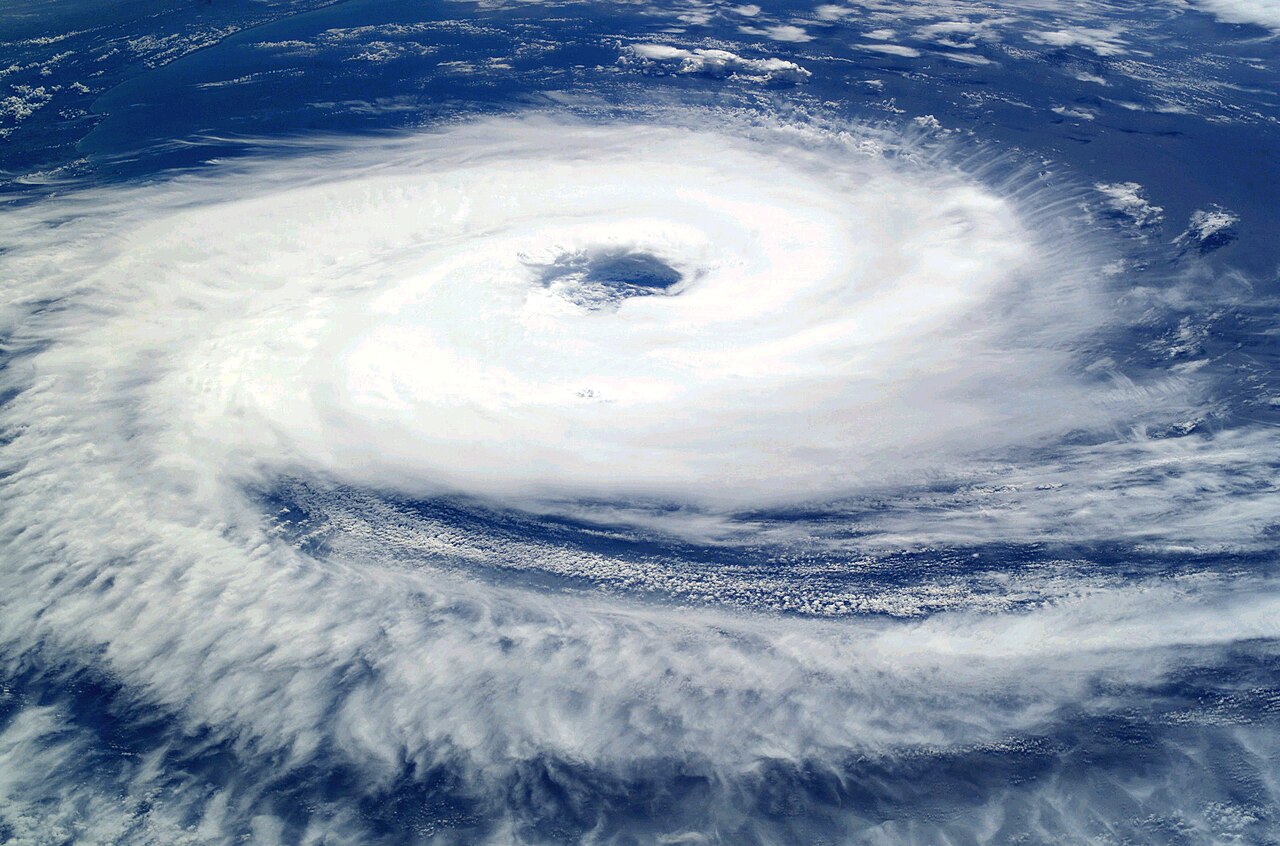


Meteorological characteristics
Alberto behaved as a tropical storm with organized convection but limited sustained winds compared with hurricanes. The defining hazard from Alberto was rainfall rather than wind: long-lasting bands of showers and thunderstorms dropped large amounts of water over river basins and low-lying areas. That slow progression and repeated downpours overwhelmed local drainage and river systems, creating both flash flooding and prolonged river floods.
Impacts and affected areas
The storm affected a broad area of the southeastern U.S., including Northwest Florida, southwest Georgia, and Alabama. Reported human and economic impacts varied by source: observed fatalities are commonly cited in the range of 22 to 38, and monetary damage is estimated between $500 million and $1 billion (1994 USD). The consequences included flooded homes and businesses, damaged roads and bridges, overwhelmed utilities, and agricultural losses.
Typical consequences
- Flash flooding in urban and rural communities.
- Riverine flooding that persisted after the storm passed.
- Disruptions to transportation and emergency services.
- Longer-term economic and infrastructure repair costs.
Aftermath and notable facts
Local and state authorities conducted search, rescue, and recovery operations in the storm’s wake, while relief efforts focused on restoring utilities, repairing roads, and assisting displaced residents. Although Alberto caused severe destruction and multiple fatalities, the World Meteorological Organization did not retire the name "Alberto" from future Atlantic naming lists following the 1994 season. For broader context, the storm is cataloged within the 1994 Atlantic hurricane season records, and it remains cited as an example of how a tropical storm’s rainfall can be as hazardous as the winds of stronger cyclones.
For further reading on regional effects, recovery lessons, and flood mitigation measures after storms like Alberto, consult regional hazard reports and post-storm assessments that examine rainfall, river response, and emergency-management lessons learned.
Related articles
Author
AlegsaOnline.com Tropical Storm Alberto (1994): Flooding and impact in the southeastern United States Leandro Alegsa
URL: https://en.alegsaonline.com/art/101671