
Newfoundland: island, culture, history and economy
Newfoundland is a large island off eastern North America that forms most of the Canadian province Newfoundland and Labrador. This article covers its geography, history, language, economy and notable facts.
Overview
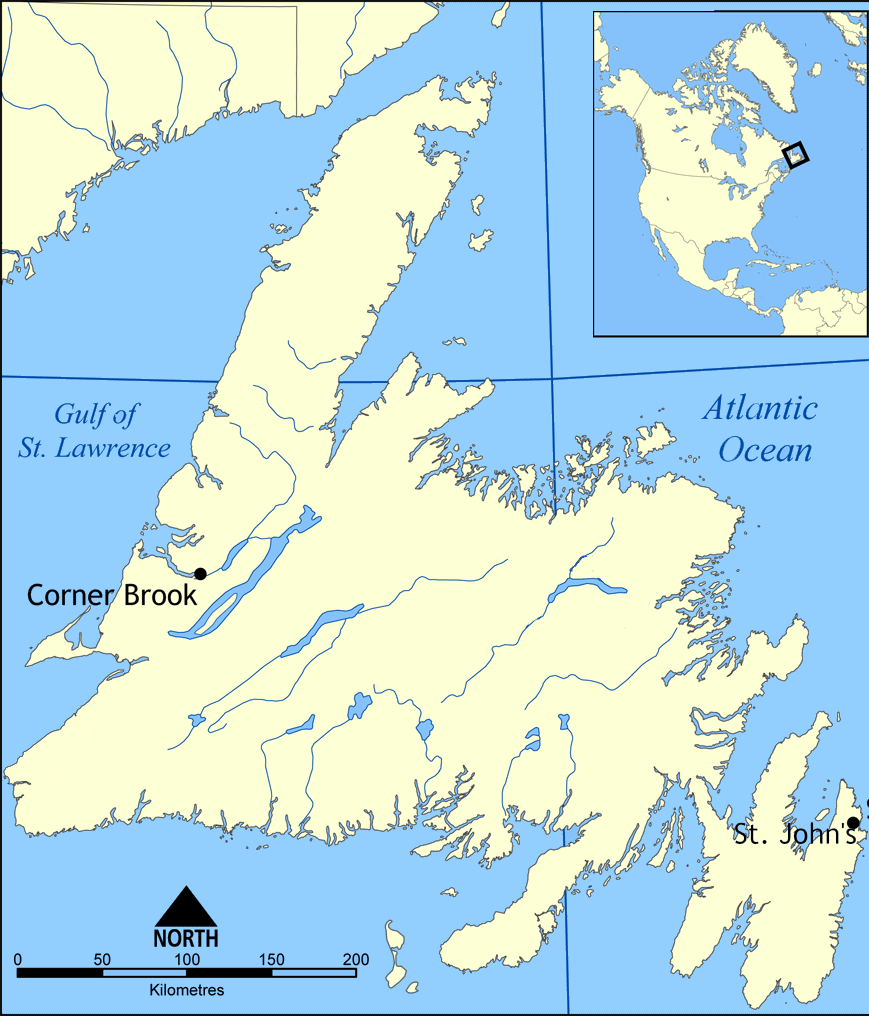
Newfoundland is a large island in the North Atlantic lying off the east coast of North America. It, together with mainland Labrador, makes up the Canadian province of Newfoundland and Labrador. The provincial capital and largest city, St. John’s, sits on the island’s rugged eastern shore. The island’s population is commonly described as being around half a million people; residents are known as Newfoundlanders.
Image gallery
10 Images



Geography and climate
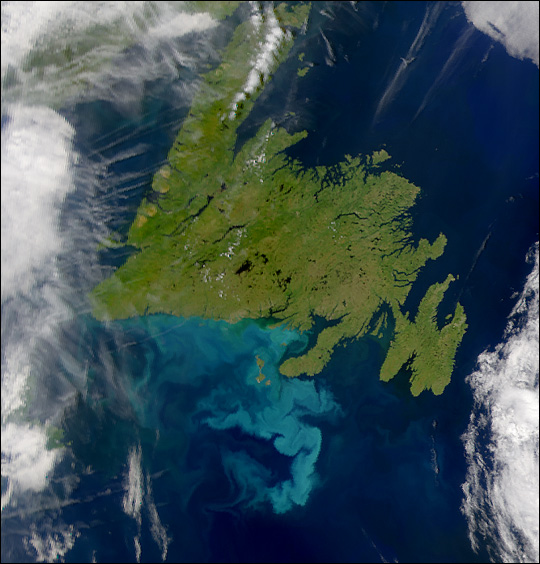
Newfoundland’s coastline is deeply indented by bays and inlets and is dominated by rocky headlands, tundra and boreal forest. To the west the island faces the Labrador Sea and to the south the rich fishing banks that historically attracted both Indigenous peoples and Europeans. Labrador lies on the adjacent mainland; while politically joined to the island in a single province, it is geographically part of the North American mainland and is usually treated separately as a region of the province.
History and settlement
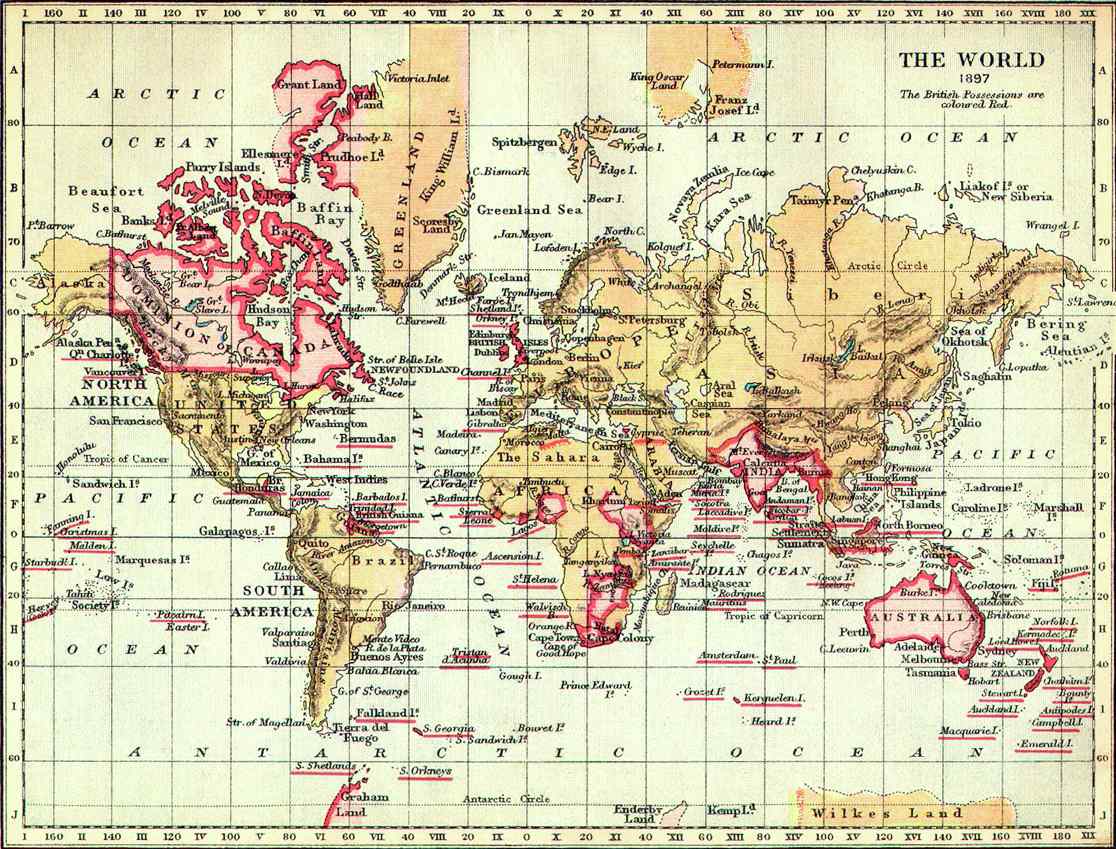
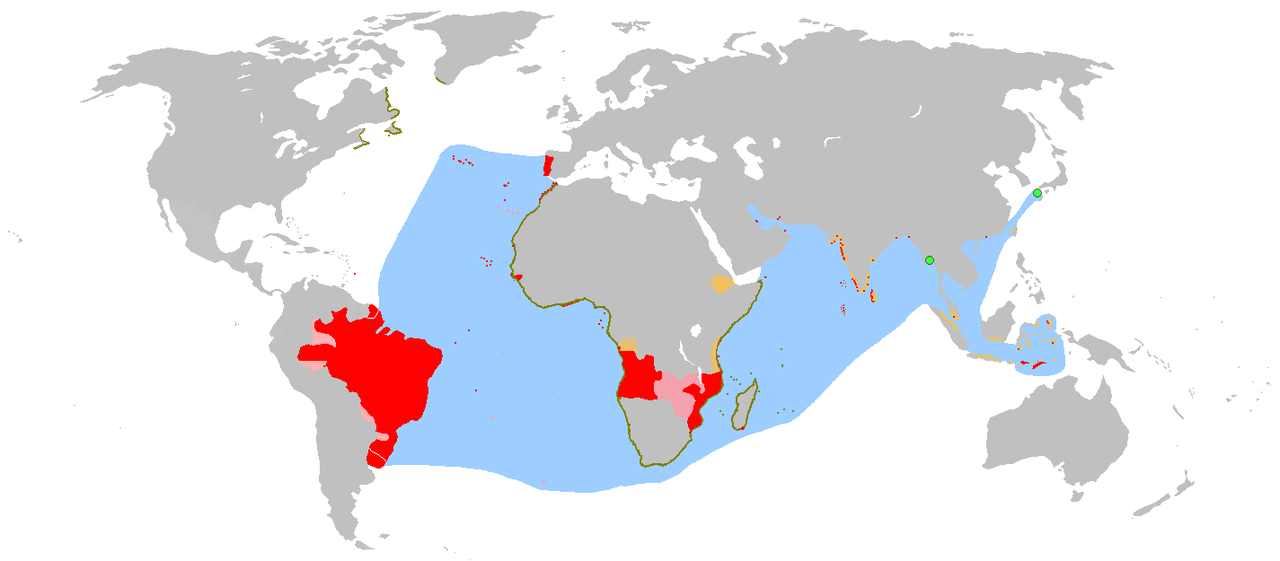
The island has been occupied for millennia by Indigenous groups. The first recorded European contact came with Norse visitors: the Vikings from Norway established a short-lived settlement known today at L’Anse aux Meadows. Beginning in the early modern era, explorers and seasonal fishermen from several European countries began to use Newfoundland’s coasts. Settlers arrived in greater numbers from England, France, Ireland and Portugal during and after the 16th century, creating fishing communities and trading posts that evolved into permanent towns.
Language, culture and identity
Most inhabitants speak English (English), but there are longstanding French-speaking communities, particularly in parts of the island’s southwest and along some coastal pockets (French). Newfoundland English includes distinctive pronunciations, vocabulary and idioms that reflect Gaelic, West Country English, Irish and other influences; the local way of speaking and many traditional expressions are a strong part of regional identity.
Economy and resources
Fishing was the economic mainstay for centuries, focused on the rich cod and herring stocks near the island’s shores. Overfishing and management changes in the late 20th century severely reduced some stocks, prompting major social and economic adjustments. Today the island’s economy is more diversified: commercial fishing continues alongside aquaculture, forestry and pulp and paper operations, and a variety of mineral extraction projects. Mining and related industries have long been important in parts of the island, and offshore oil development has become a significant contributor to the provincial economy in recent decades.
Transport and connections
Despite being part of Canada, Newfoundland has no fixed land connection by road to the mainland: there is no bridge or tunnel linking the island to Labrador or the wider country. Regular ferry services operate between the island and other provinces, including a seasonal and year-round ferry link to Nova Scotia and other coastal points (ferry services), and airports provide air links to major Canadian cities.
Notable facts and distinctions
- Newfoundland and Labrador became a province of Canada in 1949; the island and the mainland region of Labrador remain distinct in geography and culture.
- L’Anse aux Meadows is a globally important archaeological site that shows pre-Columbian Norse presence.
- The island’s environment supports iceberg sightings, migratory birds and a mix of maritime and boreal ecosystems.
- Local identity remains strong: traditional music, storytelling, place names and seasonal patterns of life continue to define communities across the island.
For more specialized or contemporary material on Newfoundland’s history, language and economy see dedicated resources and regional archives, or consult general overviews and travel guidance available from government and cultural organizations. Location, context, province, Labrador, mainland, bridge, tunnel, ferry, Nova Scotia, English, French, Norway, England, Portugal, France, Ireland, 16th century, Vikings, mining.
Related articles
Author
AlegsaOnline.com Newfoundland: island, culture, history and economy Leandro Alegsa
URL: https://en.alegsaonline.com/art/69745