
Tropical Storm Arlene (2005)
Tropical Storm Arlene was the first named storm of the 2005 Atlantic season. It formed in early June, reached near-hurricane strength, made landfall in western Florida, and caused one fatality and modest damage.
Overview
Tropical Storm Arlene was the first named cyclone of the 2005 Atlantic hurricane season. It developed in early June and reached maximum sustained winds near 70 mph (110 km/h), just below the threshold for hurricane status. Arlene was notable for a relatively large wind field for an early-season system and for producing heavy rainfall and coastal impacts across parts of the Caribbean and the southeastern United States.
Image gallery
8 Images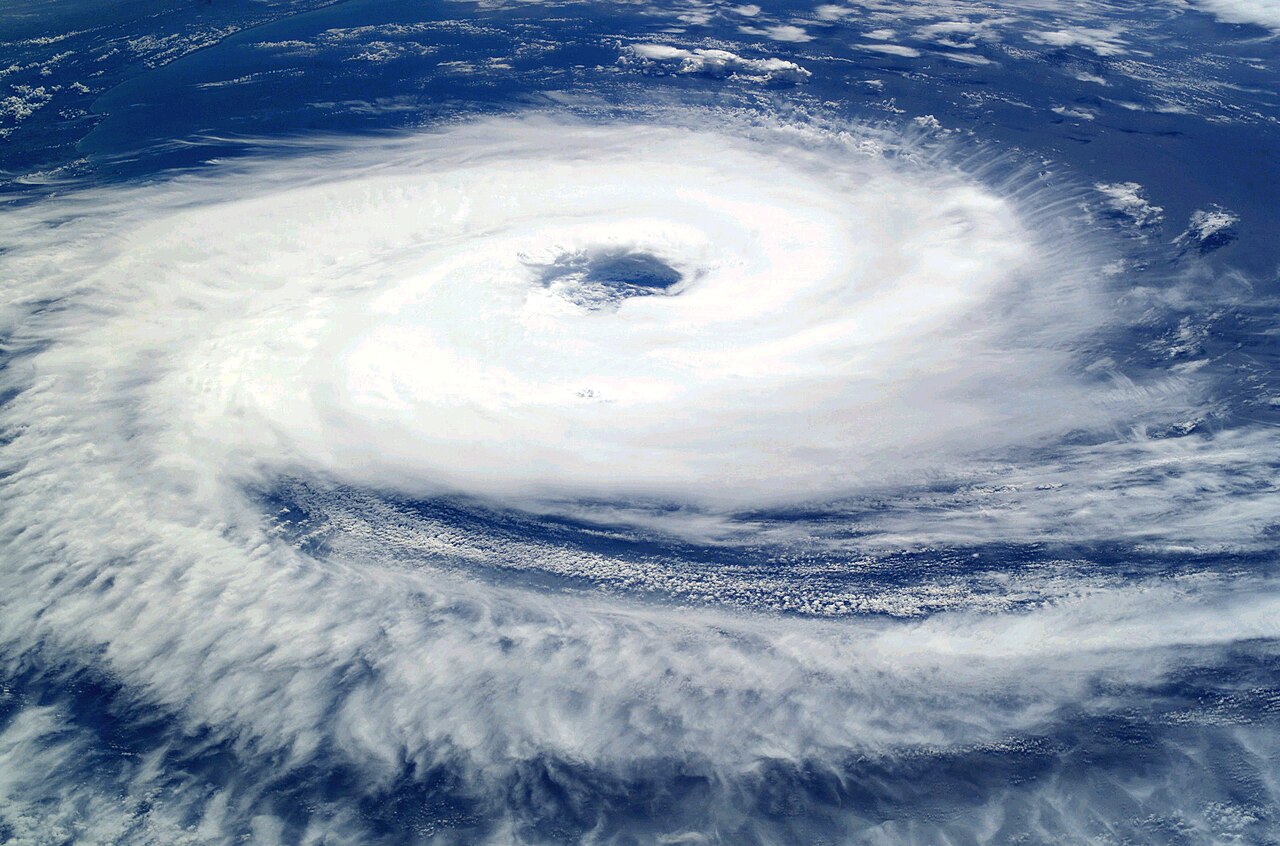


Meteorological history
The system that became Arlene originated as a tropical disturbance in the western Caribbean Sea and organized into a tropical storm on June 8, 2005 near the coast of Honduras. It tracked generally northward, passing close to western Cuba on June 10 before entering the Gulf of Mexico. Over warm Gulf waters the storm intensified and approached hurricane strength, but it did not reach category 1 intensity. Arlene made landfall along the western Florida coast with peak winds just under hurricane force and then weakened quickly as it moved inland. The system lost its tropical characteristics and became an extratropical remnant by June 13.
Preparations and warnings
Local authorities in affected countries and states issued watches and warnings, and maritime interests and coastal communities were advised of the risk of high surf, storm surge along exposed shores, and flooding rainfall. Typical preparations included securing loose outdoor items, monitoring forecasts, and restricting marine operations. Where low-lying areas were threatened, officials urged residents to take precautions against flooding.
Impacts
Arlene produced heavy rain, coastal swells, and gusty winds along its track. Flooding and localized wind damage were reported in parts of the Caribbean, Cuba, and the U.S. Gulf Coast region. The storm was blamed for one fatality and was responsible for an estimated $11.8 million in damage (2005 USD). Impacts included coastal erosion, roadway flooding, power outages in some communities, and interruptions to local transportation and utilities. Most damage was relatively localized rather than widespread catastrophic loss.
Significance and context
Although not among the most destructive storms of 2005, Arlene is often noted for opening a season that later became historically active. Its evolution close to land and its near-hurricane peak demonstrate how quickly a tropical cyclone can intensify and why early-season systems deserve close attention. The storm underscored the need for preparedness in the Caribbean and Gulf coasts even in the early portion of the hurricane season.
Further reading and sources
Related articles
Author
AlegsaOnline.com Tropical Storm Arlene (2005) Leandro Alegsa
URL: https://en.alegsaonline.com/art/101681